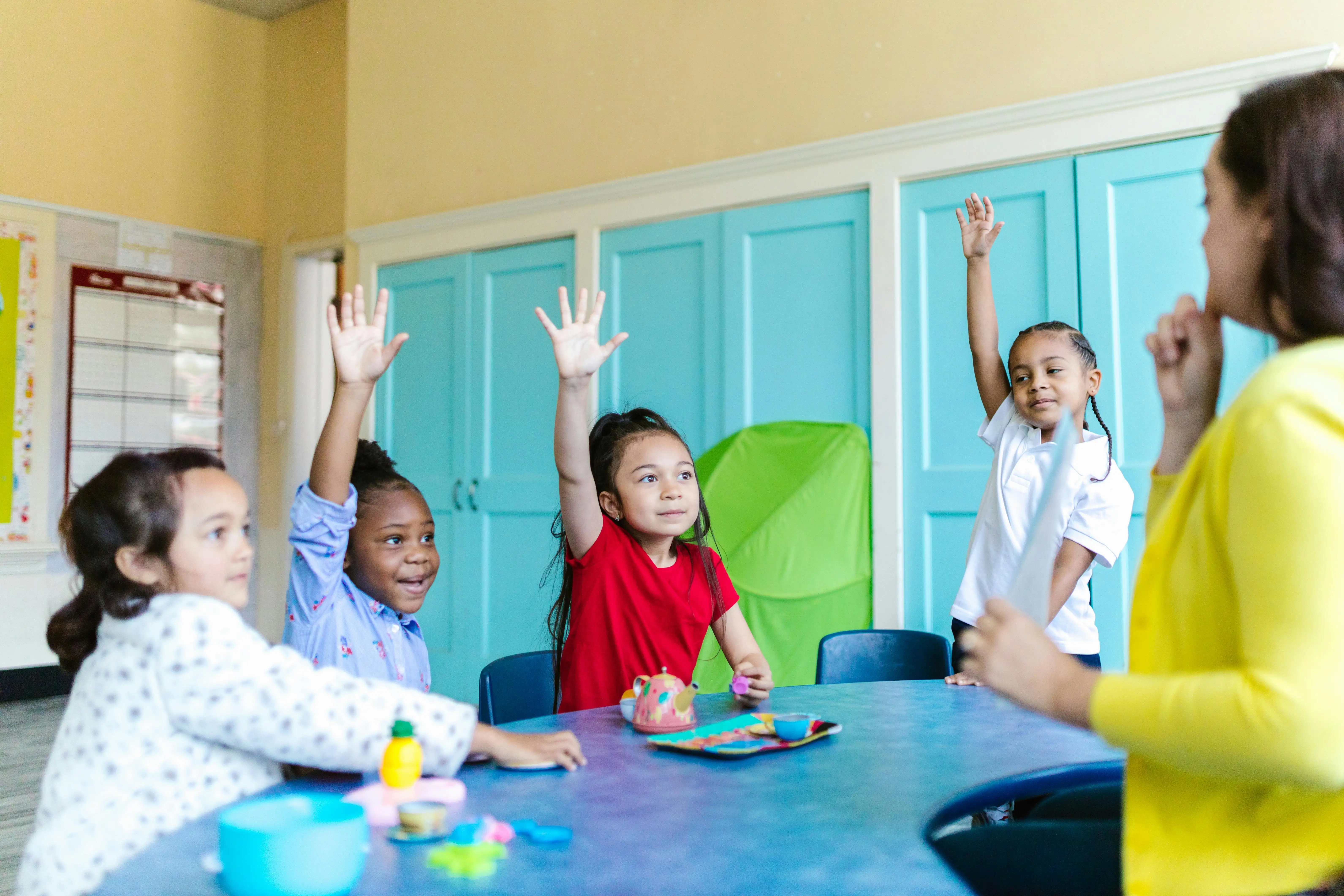
Kindergarten graduation is a genuine milestone, and the traditional format is a poor way to mark it. Asking a room of five-year-olds to sit still in stiff clothes through an hour of adult speeches produces exactly what you would expect: wriggling, tears, and at least one child under a chair.
For children with ADHD, autism or sensory differences it is worse than uncomfortable. It is a long stretch of noise, crowding and unpredictability with no obvious escape.
The ideas below are built around how five-year-olds actually work. They are wired for movement, curiosity and large feelings, and a celebration designed for that is easier to run and better remembered.
Why the Standard Format Struggles
Nothing about a conventional ceremony is matched to the age group. Long periods of sitting, formal clothing, unfamiliar adults, sudden applause, and a stage walk in front of a crowd. Each is manageable alone; together they are a lot to ask of a five-year-old.
Developmentally appropriate practice guidance is consistent on this point: young children learn and participate best through active, hands-on experience rather than passive attendance. A graduation is no exception.
The useful reframe: almost everything that makes a graduation work for a neurodivergent child makes it better for every child there.
Build Skills Through Play
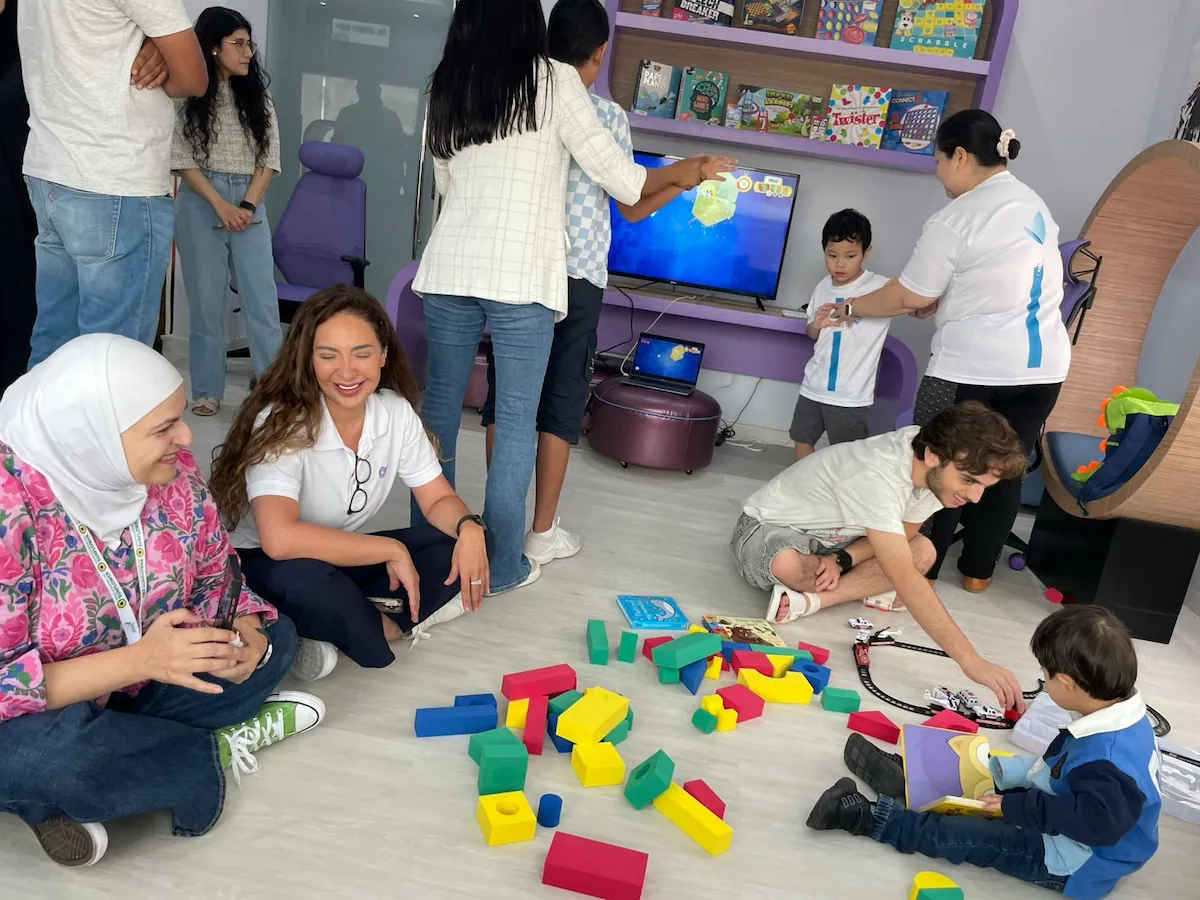
AR games designed with therapists — for children with ADHD, ASD, DCD, and more. Just a laptop camera. No downloads.
Play 2 Games Free11 Kindergarten Graduation Ideas
In the Weeks Before
- Red carpet video interviews. Set up a backdrop and record each child answering low-pressure prompts: what did you do that made you feel proud, what is your job in this class, what would your backpack do if it had a superpower. Edit the clips together and play it at the ceremony. Every child gets a voice with none of the pressure of speaking live, and the answers are far better than anything rehearsed.
- Future self time capsules. Children draw or dictate what they think they will be like next year, sealed to open later.
- The world rule art wall. One large collaborative piece the whole class contributes to, displayed on the day. Nobody is judged on their bit.
The Ceremony Itself
- Walk the stage obstacle course. Replace the straight-line walk with a short course: balance along a low beam, hop through three hoops, high-five the teacher, collect the certificate. It burns off nervous energy and turns the most anxiety-inducing moment into a familiar game.
- The talking shoes walk of fame. Children decorate a paper footprint with something they learned this year, laid out as a path they walk along.
- Celebrate the micro-milestones. Instead of generic certificates, name something specific and true for each child. The one who always held the door. The one who learned to tie their laces in March.
During the Reception
- The dream lunchbox picnic. Ask children beforehand what would be in their dream lunchbox and let families bring one of those items. Far better attended than catering nobody under six will eat.
- A sensory-friendly chill zone. A quiet corner with cushions, dim light and no expectation to socialise. Children should be able to use it without asking. This single addition prevents more difficulty than any amount of reminding children to settle.
- Parent and child dance-off. Deliberately silly, and it gives the adults something to do other than watch.
- The tell me more gallery. Children's work displayed with a line from them about it, so parents have something specific to ask about.
A Movement Station
Receptions are loud, crowded and unstructured, which is when the day usually comes apart. A movement corner with a laptop gives children somewhere to go that is active but contained, and it needs no setup or clearing up from staff.
Set Up a Movement Station
A laptop and a corner of the room. Short rounds give overwhelmed children somewhere structured to go during the noisiest part of the day.


Making It Work for Every Child
A handful of adjustments cover most needs:
- Share the running order in advance, ideally with pictures. Knowing what happens next removes most of the anxiety.
- Warn about noise. Applause and music are a common trigger, and a heads-up is usually enough.
- Let clothing be comfortable. A child in scratchy trousers will spend the whole event thinking about the trousers.
- Offer an alternative to the stage. Collecting a certificate from a teacher at the side is a perfectly good option.
- Keep the formal part short. Thirty to forty minutes is plenty, followed by something active.
See It In Action
Book a free call and see how WonderTree works for your child, classroom, or therapy center.
Book a Free Call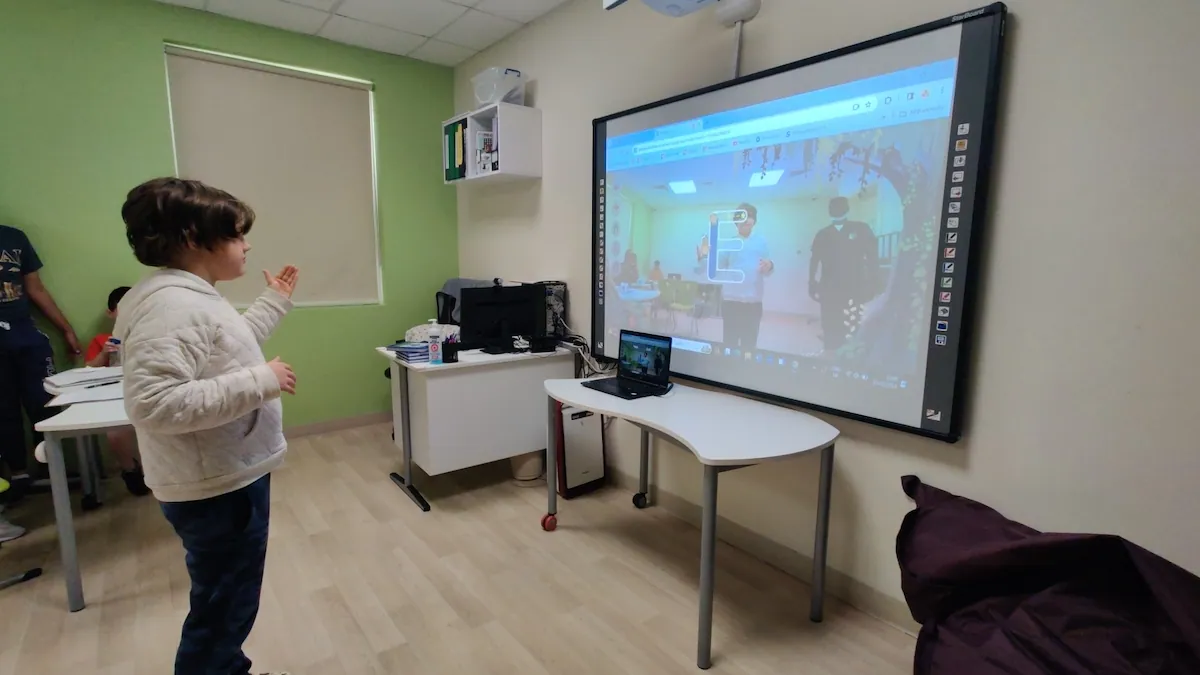
Frequently Asked Questions
What are good kindergarten graduation ideas for teachers?
The ones that need least rehearsal and least sitting still. Pre-recorded video interviews, an obstacle course instead of a formal walk, a picnic instead of a sit-down reception, and a collaborative art wall all work with how five-year-olds behave rather than against it.
How long should a kindergarten graduation be?
Thirty to forty minutes for the formal part is realistic. Five-year-olds can manage considerably less sitting than adults expect, and a shorter ceremony followed by something active is remembered more fondly than a long one endured.
How do I make a graduation work for a child with autism or ADHD?
Give the child the running order in advance, ideally with pictures. Provide a quiet space they can use without asking permission, allow comfortable clothes, and offer an alternative to walking across a stage in front of everyone. Warning about noise, such as applause, matters more than most people realise.
What can we do instead of children giving speeches?
Record short interviews in the weeks beforehand and edit them into a video. Every child gets a voice, nobody has to memorise anything, and the answers are far better than a rehearsed line because they are genuinely the child's own.
What should children wear?
Whatever they can move in. Stiff or scratchy clothing is a common and entirely avoidable cause of distress, and a child who is uncomfortable will spend the ceremony fidgeting rather than enjoying it. Caps and gowns are optional, not compulsory.
Was this article helpful?
Written by

Last medically reviewed on September 9, 2026
How we reviewed this article:
- (2022). Developmentally Appropriate Practice in Early Childhood Programs Serving Children from Birth Through Age 8 (4th ed.) NAEYC. https://www.naeyc.org/resources/position-statements/dap
- (2024). Attention-Deficit / Hyperactivity Disorder (ADHD) in Children Centers for Disease Control and Prevention. https://www.cdc.gov/adhd/
- (2024). Bright Futures Guidelines for Health Supervision of Infants, Children, and Adolescents, 4th Edition American Academy of Pediatrics. https://publications.aap.org/brightfutures
September 9, 2026
Migrated from WordPress. Ideas grouped by point in the day, FAQ added, developmentally appropriate practice sources added.
February 2, 2026