When a child is diagnosed with dyslexia, ADHD, or another learning difference, one of the first things they need to hear is that it does not put a ceiling on their life. The names below help make that point in a way no pep talk can: actors, athletes, musicians, and founders who have publicly talked about their own learning differences and built remarkable careers anyway (often, they will tell you, partly because of how their minds work).
One promise before the list: everyone here has spoken about their diagnosis themselves or had it publicly documented. No internet folklore. There is a section at the end about Einstein and Da Vinci, and why they are not on this list.
Build Skills Through Play
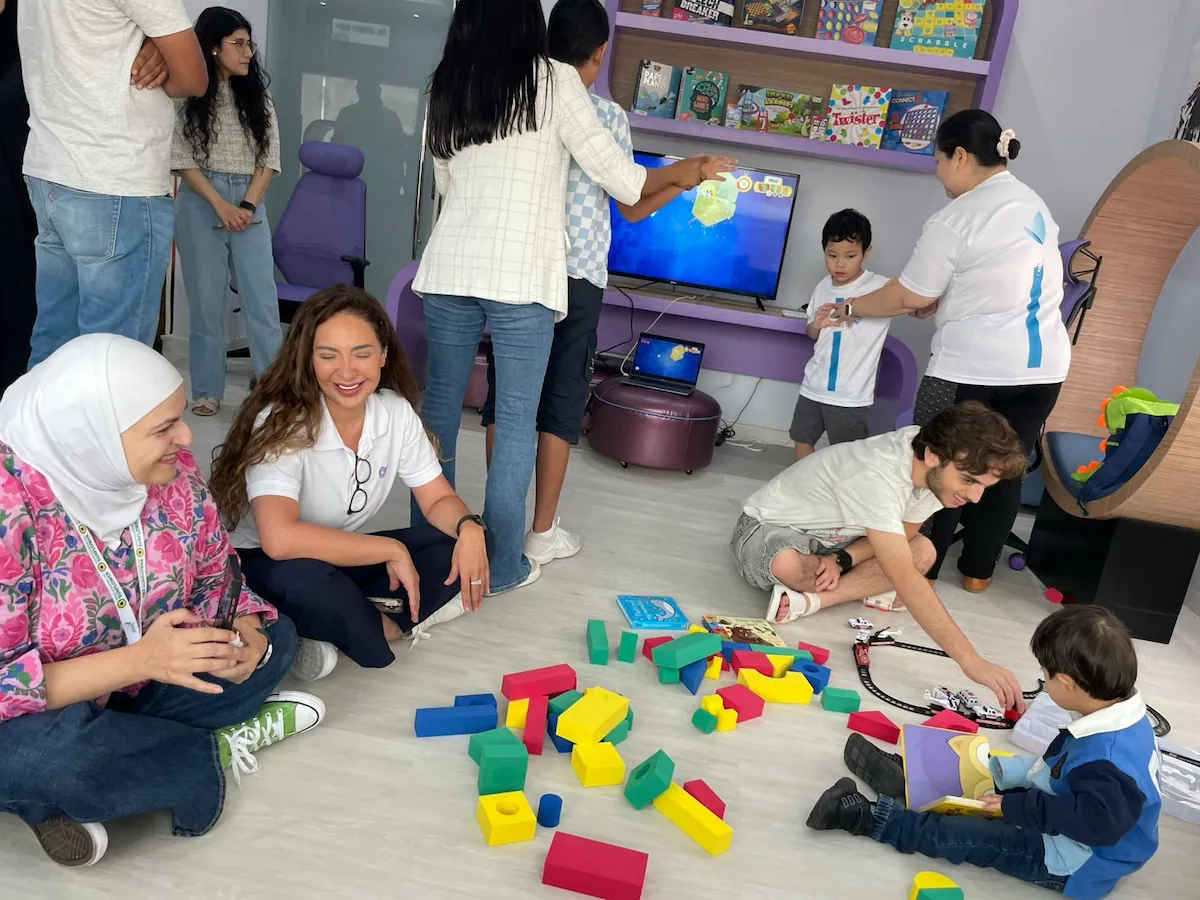
AR games designed with therapists — for children with ADHD, ASD, DCD, and more. Just a laptop camera. No downloads.
Play 2 Games FreeWhat "Learning Disability" Covers Here
Learning disabilities in the strict sense are specific difficulties with reading (dyslexia), writing (dysgraphia), or math (dyscalculia). This list also includes attention differences (ADHD) and motor-coordination differences (dyspraxia), because families searching for these stories usually mean the whole family of learning and attention differences, and because the people below tend to describe their experiences in strikingly similar terms: struggling in a classroom that was not built for how they think.
Actors and Entertainers
Tom Cruise: Actor and Producer
Diagnosed with dyslexia as a child, Cruise has described learning his lines by listening rather than reading. He went on to become one of the most bankable actors in film history.
Keira Knightley: Actress
Diagnosed with dyslexia at age six. Her parents famously used her love of acting as reading motivation: scripts were the books she wanted to finish. Two Academy Award nominations later, the strategy speaks for itself.
Whoopi Goldberg: Actress, Comedian, and Talk Show Host
Goldberg was labeled "dumb" and "lazy" at school decades before anyone used the word dyslexia around her. She is one of the few entertainers to have won an Emmy, Grammy, Oscar, and Tony.
Orlando Bloom: Actor
Bloom has spoken publicly, including to children’s advocacy groups, about growing up dyslexic and the shame he felt at school, and about learning to treat his reading difficulties as a challenge rather than a verdict.
Henry Winkler: Actor and Children’s Author
Winkler, forever "the Fonz," was not diagnosed with dyslexia until age 31. He turned that late discovery into the best-selling Hank Zipzer children’s book series, about a resourceful boy with dyslexia.
Daniel Radcliffe: Actor
Radcliffe has dyspraxia, which affects motor coordination; he has joked about his handwriting and struggles with shoelaces while encouraging kids with the same diagnosis not to let it define them.
Musicians
Justin Timberlake: Singer and Actor
Timberlake has said he has both ADD and OCD. His career, spanning chart-topping albums and film roles, is a useful counterexample for any kid told that attention differences mean underachievement.
Jewel: Singer-Songwriter
Jewel has described growing up with dyslexia and finding in songwriting a form of expression where her mind’s wiring was an advantage rather than an obstacle.
Cher: Singer and Actress
Cher only understood her own dyslexia and dyscalculia as an adult, when one of her children was being evaluated. School had simply written her off. The rest is several decades of pop history.
Business, Media, and Writing
Richard Branson: Entrepreneur
Branson left school at 16, in part because of undiagnosed dyslexia, and built the Virgin Group. He now runs advocacy work reframing dyslexia as a different, and commercially valuable, way of thinking.
Steven Spielberg: Filmmaker
Spielberg was diagnosed with dyslexia in 2007, around age 60. He has said the diagnosis finally explained his miserable school years, and that making movies was where his mind had always worked best.
Anderson Cooper: Journalist
Cooper has spoken about having mild dyslexia as a child and the reading support that helped him through it, long before he became one of the most recognizable news anchors in America.
Jamie Oliver: Chef and Author
Oliver, dyslexic, has said he did not finish his first novel until adulthood. He has built a publishing and television empire on thinking in ways a classroom never rewarded.
Agatha Christie: Author
Christie described her own lifelong struggles with spelling and writing by hand, dictating much of her later work. She remains the best-selling novelist in history, which is worth remembering the next time spelling tests feel like destiny.
How WonderTree Helps Children with Learning Differences
Reading about famous adults is encouraging; what changes a child's trajectory is daily, structured practice that meets them where they are. WonderTree's movement-based games are designed with therapists for exactly this: they build focus, motor coordination, and confidence through play, so practice feels like the fun part of the day instead of another classroom.
In our sessions, children with ADHD often engage most with Bubble Pop, with Scoopd a close second: fast-paced gameplay, quick feedback, and no reading in the way. After a few weeks, the change parents mention most is that their child stays with one activity longer and switches between tasks with less friction.
Games That Build Reading and Memory Skills
Practice for the skills learning differences make harder, in a format children repeat willingly.


Athletes
Muhammad Ali: Boxer
Ali spoke openly about how difficult reading was for him throughout his life. It never slowed his wit, his poetry, or his claim to being The Greatest.
Michael Phelps: Swimmer
Diagnosed with ADHD at nine, Phelps found in the pool the structure and outlet the classroom could not give him. He retired as the most decorated Olympian of all time.
Simone Biles: Gymnast
Biles confirmed publicly in 2016 that she has ADHD and takes medication for it, adding that it was nothing to be ashamed of. She is the most decorated gymnast in history.
Tim Tebow: Football and Baseball Player
Tebow has talked about his dyslexia and about learning kinesthetically, by doing rather than reading, a style plenty of kids with learning differences will recognize.
What About Einstein and Da Vinci?
You will find Albert Einstein, Leonardo da Vinci, Charles Darwin, Beethoven, and Thomas Edison on many lists like this one. We took them off ours. None of them was ever diagnosed with anything: they lived long before these diagnoses existed, and the "evidence" behind the claims (Einstein's supposedly late speech, Da Vinci's mirror writing) is anecdote that historians actively dispute. Children with learning disabilities deserve true stories, and the verified names above are better proof than borrowed folklore.
A Note on Dyslexia, the Most Common Thread
Most people on this list have dyslexia, which affects reading and spelling and is estimated to touch up to one in ten people. Two things about it are worth repeating: it has nothing to do with intelligence, and it does not go away, but with early support children learn strategies that make it manageable. If several of these stories share a shape (bright kid, miserable school years, late understanding), that is the shape early diagnosis exists to prevent.
See It In Action
Book a free call and see how WonderTree works for your child, classroom, or therapy center.
Book a Free Call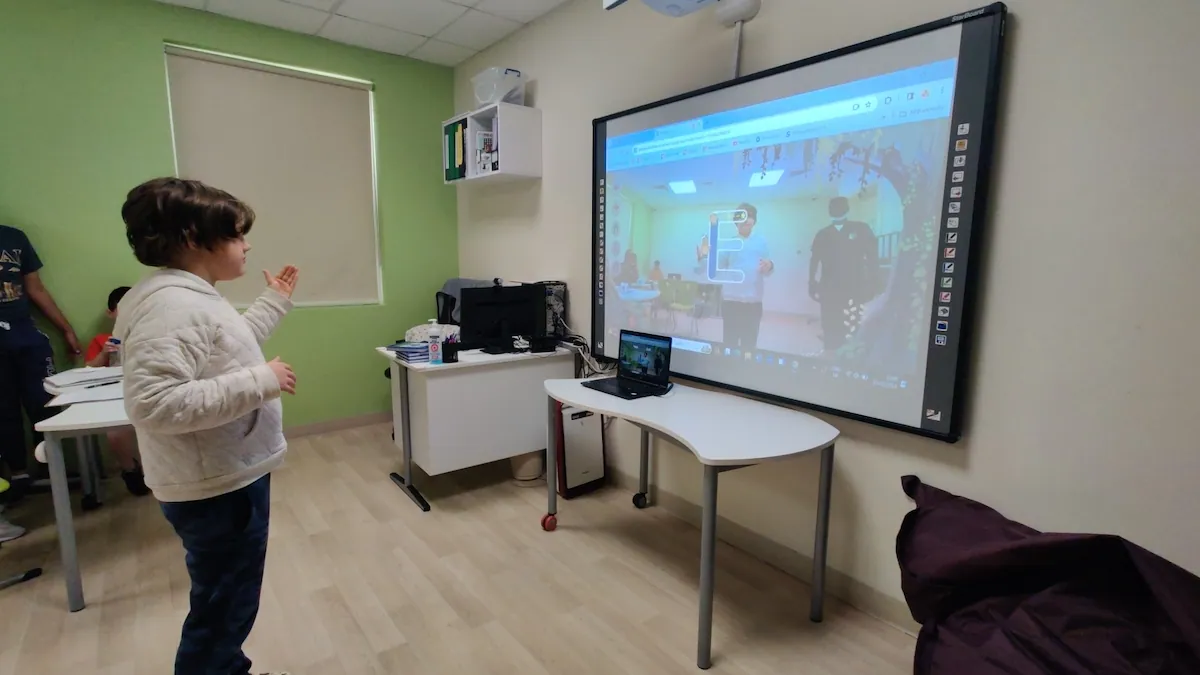
Frequently Asked Questions
Are there any celebrities with intellectual disabilities?
Yes, celebrities like Tom Cruise and Whoopi Goldberg have learning disabilities such as dyslexia. These conditions didn't hold them back, and both built extraordinary careers in entertainment.
What are the top 5 learning disabilities?
The most common learning disabilities include dyslexia (reading), ADHD (attention and hyperactivity), dyscalculia (math), dysgraphia (writing), and auditory processing disorder (APD). Each affects how the brain processes specific types of information.
Can you live a normal life with a learning disability?
Absolutely. Many people with learning disabilities lead fulfilling, successful lives. The key factor is receiving the right support, accommodations, and early intervention, whether at school, home, or work.
Can you still be smart with a learning disability?
Yes. Learning disabilities affect how information is processed, not intelligence. Albert Einstein, one of history's greatest minds, is believed to have had dyslexia. Many people with learning disabilities have average or above-average intelligence.
Can people with learning disabilities succeed in life?
Yes. The celebrities and historical figures in this article are proof. With determination, the right support, and tools that work for their learning style, people with learning disabilities can achieve extraordinary things in any field.
Was this article helpful?
Written by
Last medically reviewed on July 4, 2026
How we reviewed this article:
- (2003). Overcoming Dyslexia: A New and Complete Science-Based Program for Reading Problems at Any Level Alfred A. Knopf.
- (2023). The State of Learning Disabilities: Understanding the 1 in 5 National Center for Learning Disabilities. https://www.ncld.org/
- (2022). Diagnostic and Statistical Manual of Mental Disorders (DSM-5-TR) American Psychiatric Association Publishing.
- (2025). Celebrities With Dyslexia, ADHD, and Dyscalculia Understood. https://www.understood.org/en/articles/success-stories-celebrities-with-dyslexia-adhd-and-dyscalculia
July 4, 2026
Major update: merged our dyslexia celebrities article into this one, removed undocumented historical claims, and added verified modern figures.
September 15, 2024