Parenting a preschooler with ADHD can feel like managing a festival that never takes a break. The energy is genuinely relentless, and most advice amounts to finding ways to suppress it.
That is usually the wrong instinct. For many children with ADHD, movement is not the problem. It is how they regulate. Structured physical activity tends to leave a child calmer and more available to focus, not more wound up.
The activities below are grouped by what they are actually for. None require special equipment.
Why Movement Helps Rather Than Hinders
Two things are worth knowing before the list.
Heavy work has an organising effect. Activities that push, pull, carry or press give strong feedback from the muscles and joints, and that input tends to settle the nervous system. It is why a child often seems more regulated after intense physical play, not less.
Stopping is a trainable skill. Games that require freezing on cue exercise the same inhibition that sitting still demands, except the child is practising it willingly instead of being told off for failing at it.
Build Skills Through Play
AR games designed with therapists — for children with ADHD, ASD, DCD, and more. Just a laptop camera. No downloads.
Play 2 Games Free25 Activities for ADHD Preschoolers
Heavy Work, for Burning Energy and Settling
- Multi-animal relay. Switch between bear crawl, crab walk and frog jump. Intense input to shoulders, core and legs in one activity.
- Weighted laundry basket push. Fill a basket with books and push it across carpet. One of the most effective heavy-work tasks there is.
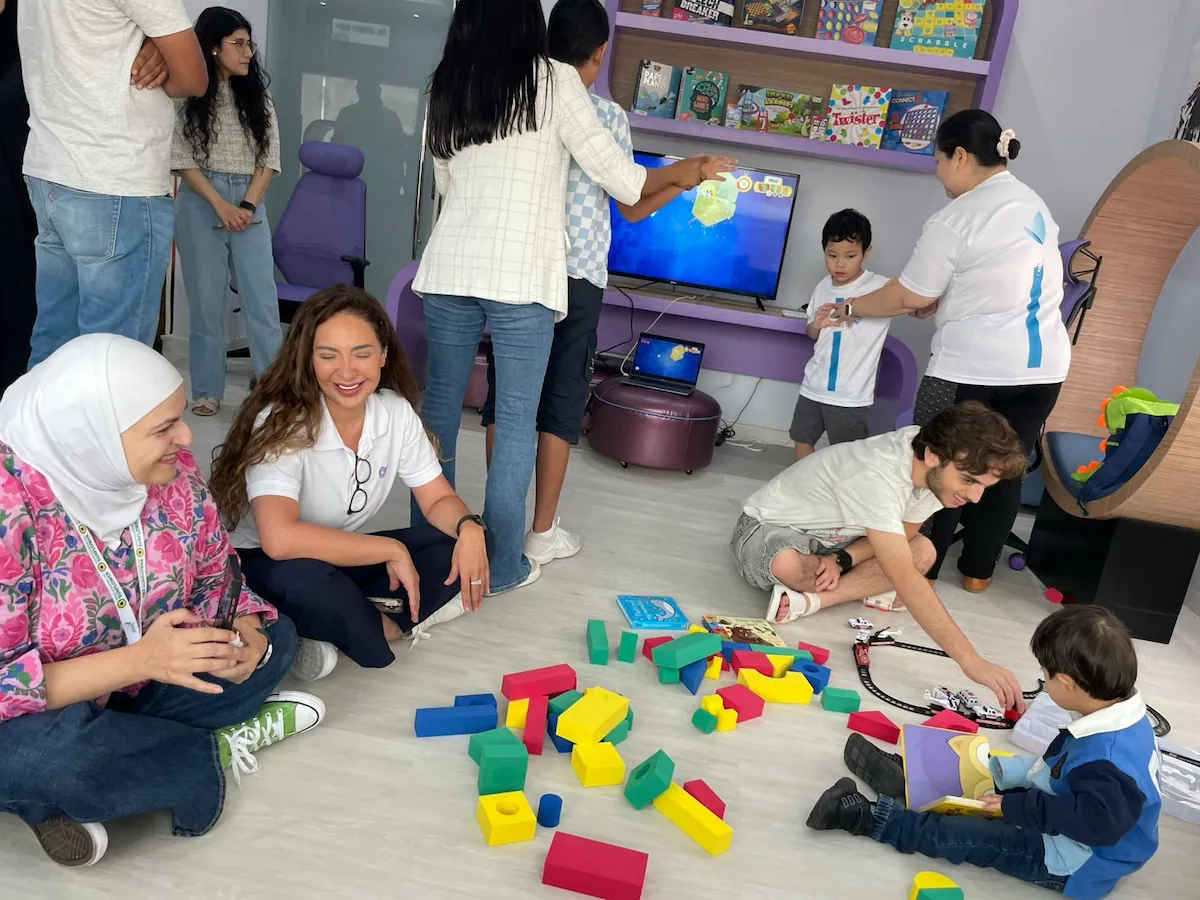
- Sequencing obstacle course. Pillows, chairs and tape. The instruction is the point: jump over two pillows, crawl under one chair, spin three times. Trains working memory alongside the movement.
- Slow-motion balloon volleyball. A balloon falls slowly, which gives more time to process and track than a ball allows.
- Isometric wall push. Twenty seconds trying to push a wall over. A quick physical reset when a child is overstimulated.
- Controlled cushion crashing. A safe pile to jump into, which meets the crash-and-bang urge in a predictable way.
Focus, Inhibition and Fine Motor
- Active I spy. Spot something blue, then go and touch it with a knee. Scanning and focus, with the body still involved.
- Tweezer sorting. Beads or pasta into a muffin tin using large plastic tweezers. Demands the tunnel focus that also underpins writing.
- The slowest race in the world. Last to the finish wins, and stopping completely means you are out. A masterclass in inhibition, because the child has to actively hold back.
- Sticker outline art. Outline a large drawn shape with small stickers. Precise pincer work, and one of the few tasks that reliably produces quiet absorption.
- Freeze dance. Dance while the music plays, freeze the instant it stops. Practising stopping mid-flow.
- Mirror movement. Copy every move in slow motion, mirrored. Builds body awareness and sustained attention.
- Sorting mixed socks. Genuinely useful and genuinely good pattern-matching practice.
- Hidden treasure in play dough. Beads buried in a ball of dough, found by fingers alone. Strengthens hands and provides tactile input.
Calming and Transitions
Transitions are usually the hardest part of the day. These work as a bridge out of a high-energy state.
- Deep bubble breathing. Blowing bubbles requires a long controlled exhale, which teaches slow breathing without it feeling like an instruction.
- Rice bin treasure hunt. Small toys hidden in uncooked rice. The tactile sensation is grounding and the searching is absorbing.
- Blanket burrito. Rolled snugly in a soft blanket. Deep pressure feels like a firm hug and many children find it settling before rest.
- Simon says, crossing the midline. Commands that reach across the body, such as right hand to left shoulder.
- Nature scavenger hunt. Five kinds of leaf, three smooth stones. Time in green space has been found to improve concentration in children with attention difficulties.
- Tree pose. Balancing on one leg takes complete concentration. It is very difficult to be hyperactive and balance at the same time.
- Water pouring station. Different containers and a bin of water. Steady hands, close attention, oddly meditative.
- Flashlight tag. In a dim room, chase a beam of light on the wall. Visual tracking in a low-stimulus setting.
- Auditory matching. Plastic eggs filled with rice, coins or bells, matched by sound. Listening practice with no visual cue to fall back on.
Active Screen Time
Parents are usually told to limit screens. The more useful distinction is passive versus active: a child watching video is doing nothing, while a child playing a movement-controlled game is getting physical activity and practising attention at the same time.
Active Screen Time That Uses the Body
The problem with screens is usually that they are passive. These two make the child's movement the controller, which is a different thing entirely.


Building It Into the Day
Short and frequent beats long and occasional. Five to ten minutes several times a day works better than one big session, because the need for movement recurs rather than being used up.
Most of a preschooler's day with ADHD consists of instructions to sit still and be quiet. Building in structured outlets means at least part of the day is arranged around how the child actually works.
This is general information, not clinical advice. If you have concerns about your child's attention or development, a paediatrician is the right place to start.
See It In Action
Book a free call and see how WonderTree works for your child, classroom, or therapy center.
Book a Free Call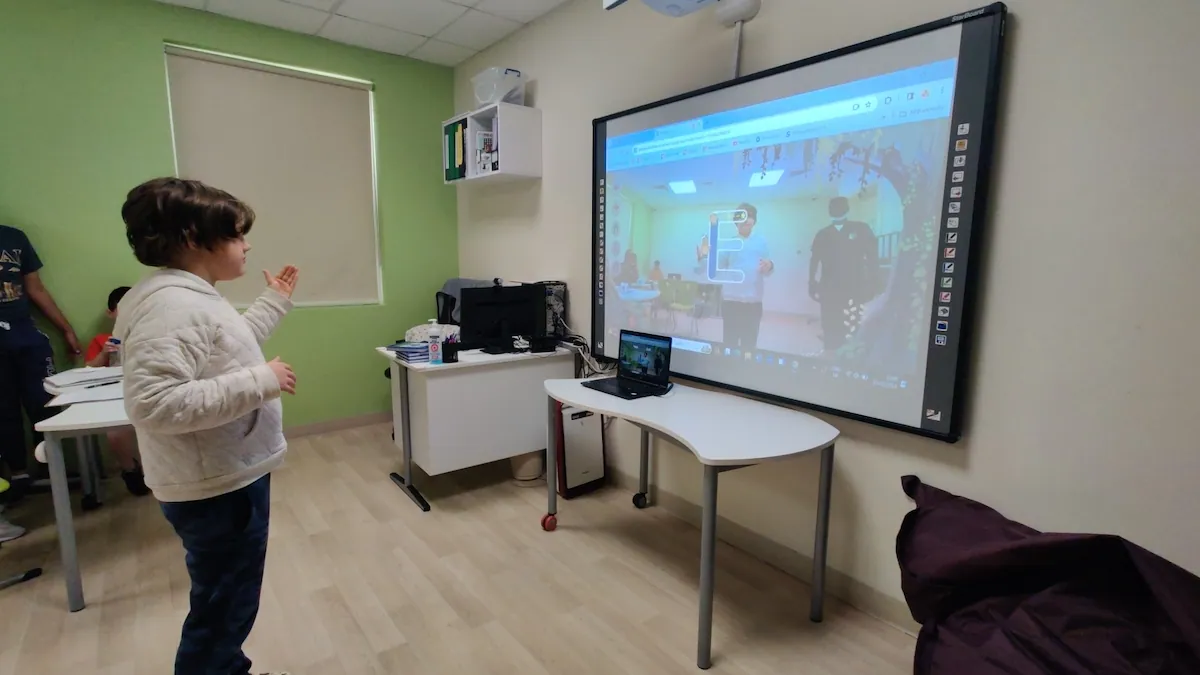
Frequently Asked Questions
What activities help a preschooler with ADHD?
Activities that provide heavy physical input, that require stopping and starting on cue, and that end in something calming. Animal walks, pushing a loaded laundry basket, freeze dance and rice bin play all work, and none of them need special equipment.
What is heavy work and why does it help?
Heavy work means activities that push, pull, carry or press: crawling, climbing, pushing something weighted. The sensory input from muscles and joints tends to have an organising effect, which is why a child often seems calmer after intense physical play rather than more wound up.
Should children with ADHD avoid screens?
The concern is usually passivity rather than the screen itself. A child watching video is doing nothing; a child playing a movement-controlled game is getting physical activity and practising attention. It is worth distinguishing between the two rather than treating all screen time as identical.
How do I help my child through transitions?
Plan for them rather than reacting to them. Give a warning, use the same cue every time, and put a calming activity into the transition itself. Bubble breathing, a rice bin or being rolled snugly in a blanket all work as a bridge between a high-energy activity and a quiet one.
Can a preschooler be diagnosed with ADHD?
Diagnosis is possible from age four under the American Academy of Pediatrics guideline, though it is done carefully at that age because high activity levels are normal in preschoolers. If you have concerns, a paediatrician is the right starting point rather than an online checklist.
How long should these activities last?
Short and frequent. Five to ten minutes is usually enough, several times a day. The aim is regular outlets across the day rather than one long session, because the need for movement recurs rather than being used up.
Was this article helpful?
Written by

Last medically reviewed on September 9, 2026
How we reviewed this article:
- (2019). Clinical practice guideline for the diagnosis, evaluation, and treatment of attention-deficit/hyperactivity disorder in children and adolescents Pediatrics, 144(4), e20192528. https://pubmed.ncbi.nlm.nih.gov/31570648/
- (2009). Children with attention deficits concentrate better after walk in the park Journal of Attention Disorders, 12(5), 402-409. https://pubmed.ncbi.nlm.nih.gov/18725656/
- (2024). Attention-Deficit / Hyperactivity Disorder (ADHD) in Children Centers for Disease Control and Prevention. https://www.cdc.gov/adhd/
- (2019). Guidelines on physical activity, sedentary behaviour and sleep for children under 5 years of age World Health Organization. https://www.who.int/publications/i/item/9789241550536
September 9, 2026
Migrated from WordPress. Activities grouped by purpose, clinical sources added, an unevidenced mechanism claim removed.
February 20, 2026