A lot of parents ask the same question around age two.
Their child is always moving. They struggle to stay with one activity. They get frustrated quickly, act before thinking, and seem much harder to settle than other toddlers their age.
That is usually where the concern begins. Is this just normal toddler behavior, or could it be ADHD?
The honest answer is that some 2-year-olds can show behaviors that look like ADHD, but this age is also full of behavior that can still be completely typical. What matters is not whether a toddler is active or impulsive. What matters is whether those behaviors feel unusually intense, keep happening over time, and are affecting daily life in a serious way. ADHD is also difficult to diagnose before age four because many behaviors still overlap with normal development at this stage.
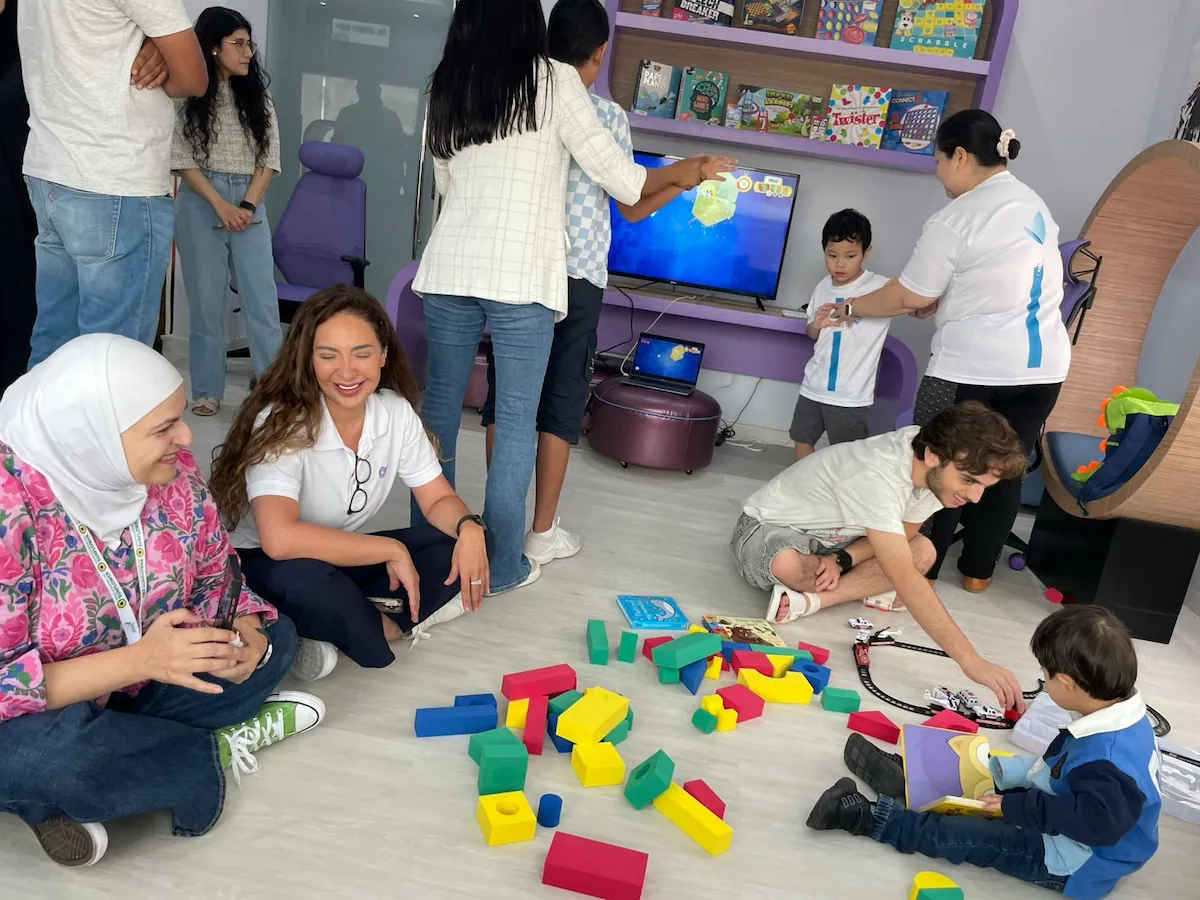
Build Skills Through Play
AR games designed with therapists — for children with ADHD, ASD, DCD, and more. Just a laptop camera. No downloads.
Play 2 Games FreeCan a 2-Year-Old Have ADHD?
A 2-year-old can show early behaviors that raise concern, but ADHD is hard to diagnose this early. At this age, many children are still learning how to wait, focus, manage frustration, and follow routines. That is why behavior that looks like ADHD can still overlap with normal toddler development.
Still, some toddlers stand out because the behavior feels much stronger than what parents or caregivers usually see in children the same age. They may be unusually restless, very hard to redirect, constantly impulsive, or unable to stay with even simple activities for more than a moment.
If that pattern feels intense, persistent, and disruptive, it is worth paying attention.
What Is ADHD?
ADHD is a neurodevelopmental condition that affects attention, impulse control, and activity level. Children with ADHD may struggle with focus, act without thinking, or seem much more active than other children around them.
In older children, those patterns are often easier to identify. In toddlers, it is harder, because many of the same behaviors can still fall within the range of typical development. That is why it helps to look at the pattern over time rather than reacting to one difficult day.
ADHD Signs in 2 Year Olds
Parents usually start noticing the same group of concerns.
Inattention
A toddler may seem unable to stay with even a short activity. They may jump quickly from one thing to another, lose interest almost immediately, or struggle to follow simple instructions.
Hyperactivity
Some children seem to be in nonstop motion from the moment they wake up. They may run, climb, squirm, and move constantly, even during routines that usually help other toddlers settle down.
Impulsivity
A child may grab, throw, hit, dart away, or react before there is any pause at all. All toddlers can be impulsive, but concern usually grows when the behavior feels much more frequent or much harder to manage than expected.
Emotional regulation
Some toddlers who raise concern also struggle more with frustration. They may have bigger reactions, recover more slowly, and become overwhelmed more easily during everyday routines.
What Are Common ADHD Symptoms in 2 Year Olds?
When parents search for common ADHD symptoms in 2-year-olds, they are usually worried about patterns like:
- very short attention span
- constant movement
- excessive climbing or running
- acting without pause
- difficulty waiting
- strong frustration
- trouble staying with routines
- behavior that feels much more intense than expected for age
The key is not whether one or two of these happen sometimes. The key is whether they happen often, over time, and in a way that affects sleep, meals, play, daycare, outings, or family routines.
ADHD vs Normal Toddler Behavior
This is the hardest part for most parents.
Toddlers are naturally active. They test limits. They lose interest quickly. They melt down. They struggle to wait. All of that can be normal.
What usually raises concern is when the behavior feels different in degree, not just in type.
Typical toddler behavior tends to come and go. It shifts with sleep, hunger, routine, and environment. A child may be wild one day and much calmer the next.
More concerning behavior often feels constant. It shows up across settings. It continues even when routines are stable. It affects meals, sleep, play, daycare, outings, or the child's ability to stay with any simple activity.
That difference matters more than any one symptom on its own.
Early Signs of ADHD in Toddlers
Parents looking for early signs of ADHD in toddlers are usually trying to decide whether they should wait and watch or do something now.
Some of the earlier patterns that often lead to concern include:
- constant movement that feels hard to manage
- very low ability to stay with an activity
- extreme impulsive behavior
- intense frustration and slow recovery
- difficulty following even short routines
- behavior that feels consistently more difficult than peers
These signs do not confirm ADHD on their own. They simply suggest it may be time to observe more closely and speak with a professional if concerns continue.
How Early Can ADHD Be Diagnosed in Toddlers?
ADHD can be suspected earlier, but formal diagnosis is usually difficult before age four. The American Academy of Pediatrics guidelines are written for children ages 4 to 18, and the CDC also notes that diagnosing ADHD is a multi-step process because other concerns can look similar.
If you are worried, the best next step is not self-diagnosis. It is careful observation and a conversation with a pediatrician.
When to Consult a Pediatrician About Toddler Hyperactivity
It is a good idea to speak with a pediatrician if your toddler's hyperactivity, impulsivity, or inattention:
- happens often and over time
- shows up in more than one setting
- affects sleep, eating, play, daycare, or daily routines
- feels much more intense than expected for age
- creates stress that is hard to manage day after day
The CDC says the first step when you are concerned about ADHD is to talk with a healthcare provider.
How ADHD-Like Behaviors in a 2-Year-Old Are Usually Handled
At this age, the goal is not to rush into a label. It is to understand what is happening and get the right support around the child.
If a child is later diagnosed very young, behavior therapy is usually the first recommended approach, especially parent training in behavior management. For children younger than 6, the CDC says behavior therapy should be used first before medication is tried.
Even before any diagnosis, parents can still help by keeping routines predictable, reducing overstimulation, using short instructions, and noticing patterns around sleep, food, transitions, and play.
For families who want a more structured way to support attention, regulation, and follow-through as children grow, online games for ADHD can be a helpful next step on WonderTree.
How to Handle ADHD Symptoms in Toddlers
If your toddler is showing behaviors that worry you, start simple.
Keep routines consistent. Give short instructions. Reduce distractions during play and meals. Use praise when your child does something well, even if it feels small. Try not to stack too many directions or expectations at once.
It also helps to observe patterns. Does the behavior get worse when your child is tired? Hungry? Overstimulated? Struggling with transitions? Sometimes what looks like defiance is really a child having difficulty with regulation.
The goal at this stage is not to control every behavior. It is to understand what supports your child best and where extra help may be needed.
Because attention, memory, and follow-through often overlap in children with ADHD-like behaviors, cognitive skill building games for children with special needs can also support early development through play.
Games That Channel Restless Energy
Movement-based games that give a busy toddler something to aim at, rather than asking them to sit still.


Can ADHD Be Identified in Babies?
No. There is no clinically recognized way to identify ADHD in a newborn or infant. The American Academy of Pediatrics guidelines cover diagnosis from age 4 onwards, because before that age the behaviors involved (high activity, short attention, impulsivity) are part of normal development for many children.
Research has looked at whether some infants who are unusually hard to soothe or unusually active go on to receive an ADHD diagnosis later, but these early patterns are not reliable predictors and are never diagnostic on their own. If your baby seems intensely restless or difficult to settle, the right move is simply to raise it at your regular well-baby visits so your pediatrician can watch development over time.
The question we hear most from parents of toddlers is "my child never stops moving. Should I be worried it's ADHD?" Our answer is always the same: at this age, consistent patterns over months matter far more than any single day, so keep notes on what you notice and bring them to your pediatrician rather than jumping to conclusions.
See It In Action
Book a free demo and see how WonderTree works for your child, classroom, or therapy center.
Book a Free Demo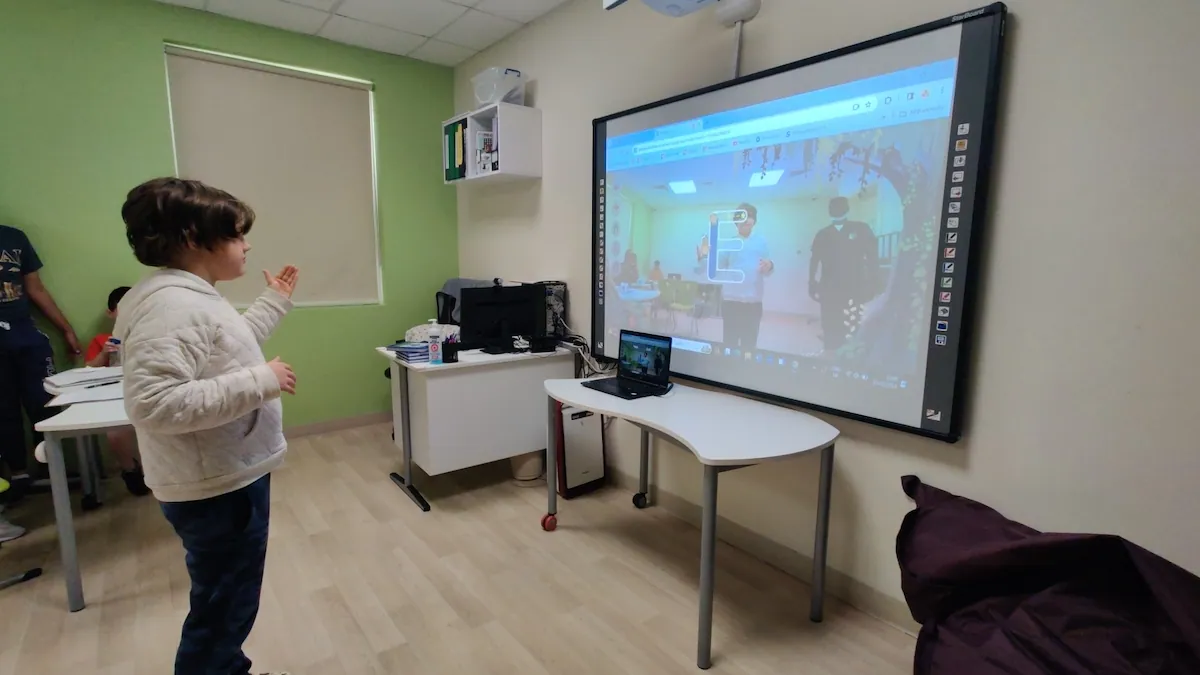
Frequently Asked Questions
What are common ADHD symptoms in 2 year olds?
Common ADHD-like symptoms in 2-year-olds may include unusually high activity, very short attention span, strong impulsivity, difficulty waiting, frequent frustration, and behavior that feels much more intense than expected for age.
What are mild ADHD symptoms in a 2 year old?
Mild ADHD-like symptoms in a 2-year-old may look like shorter attention span, more difficulty waiting, or more frequent impulsive behavior than expected, but without severe disruption across every part of daily life. What matters most is whether the pattern is growing stronger, happening consistently, and starting to affect routines.
Are ADHD symptoms in a 2 year old boy different from ADHD symptoms in a 2 year old girl?
At this age, the core concerns are usually the same: attention, impulsivity, activity level, and emotional regulation. The more useful question is not whether the child is a boy or a girl, but whether the behavior is unusually intense, persistent, and hard to manage for that age.
How early can ADHD be diagnosed in toddlers?
ADHD may be suspected earlier, but formal diagnosis is usually difficult before age four because many toddler behaviors overlap with normal development.
When should I consult a pediatrician about toddler hyperactivity?
You should speak with a pediatrician if the behavior is intense, persistent, happens across settings, and affects sleep, play, meals, daycare, or daily routines. The CDC says the first step when you are concerned about ADHD is to talk with a healthcare provider.
What toddler toys support focus improvement for children with ADHD symptoms?
Simple puzzles, sorting activities, blocks, matching games, and other short, low-distraction toys can help support attention and focus in toddlers. Clear, manageable activities usually work better than overstimulating ones for this age.
Any specialists in the USA who diagnose ADHD in very young children?
Families usually start with a pediatrician. From there, they may be referred to a child psychologist, child psychiatrist, developmental-behavioral pediatrician, or another qualified specialist depending on the concern.
Was this article helpful?
Clinically Reviewed by

Written by

Last medically reviewed on July 4, 2026
How we reviewed this article:
- (2024). ADHD Diagnosis in Children CDC. https://www.cdc.gov/adhd/diagnosis/index.html
- (2024). Diagnosing ADHD in Children: Guidelines and Information for Parents HealthyChildren.org. https://www.healthychildren.org/English/health-issues/conditions/adhd/Pages/Diagnosing-ADHD-in-Children-Guidelines-Information-for-Parents.aspx
- (2019). Clinical Practice Guideline for the Diagnosis, Evaluation, and Treatment of ADHD in Children and Adolescents Pediatrics, 144(4), e20192528. https://doi.org/10.1542/peds.2019-2528
July 4, 2026
Added a section on ADHD and infants (with AAP guideline source) after consolidating our separate infants article into this page.
August 12, 2025