كما نعلم، هناك الكثير من أطياف التوحد ومستويات متعددة، ولكن الكثير منا لا يعلم عن هذا الأمر. تختلف طبيعة العلاج والتعامل مع كل طفل بناءً على مستوى التوحد.
يحتاج الأمر دائماً إلى متخصصين حتى يتم تصنيف الأطفال بشكل صحيح، فا مستويات التوحد مختلفة ولكل مستوى طريقة معينة في التعامل معاها وعناية تختلف من طفل لآخر.
في هذا المقال سوف نشرح مستويات التوحد والأنشطة المناسبة لهذه المستويات.
حين يسمع الأهل للمرة الأولى أن طفلهم «على المستوى الثاني» من التوحد، يكون أول سؤال عادةً: ماذا يعني هذا الرقم؟ وهل هو أفضل أم أسوأ من غيره؟
الإجابة المختصرة: مستويات التوحد ليست مقياساً لذكاء الطفل ولا لقيمته، بل وصفٌ لمقدار الدعم الذي يحتاجه. وهي ثلاث درجات حدّدها الدليل التشخيصي والإحصائي للاضطرابات النفسية (DSM-5)، وتُبنى على مدى الحاجة إلى المساندة في مجالين: التواصل الاجتماعي، والسلوكيات المقيّدة أو التكرارية.
يشرح هذا المقال الفرق بين درجات التوحد الثلاث، وما تعنيه كل درجة عملياً في البيت والمدرسة، وكيف تتغيّر الاحتياجات مع تقدّم العمر.
ما المقصود بمستويات التوحد؟
اضطراب طيف التوحد «طيف»، أي أن أثره يتفاوت تفاوتاً واسعاً من شخص إلى آخر. ولأن هذا التفاوت كبير، لم يعد التشخيص يكتفي بالقول إن الشخص مصاب بالتوحد، بل يضيف مستوى يصف حجم الدعم اللازم.
والمهم أن تدرك أن هذه المستويات تصف الحاجة إلى الدعم، لا شدّة «المرض». فطفلان على المستوى نفسه قد يختلفان اختلافاً كبيراً في نقاط القوة والصعوبات.
المستوى الأول: يحتاج إلى دعم
في هذه الدرجة يستطيع الشخص غالباً التواصل بجُمل كاملة والانخراط في المدرسة أو العمل، لكن تظهر لديه صعوبات واضحة في بدء التفاعل الاجتماعي أو الحفاظ عليه، وفي التعامل مع التغيير أو الانتقال بين الأنشطة.
كثير من الأطفال في هذه الدرجة يمرّون دون تشخيص لسنوات، لا سيما الفتيات، لأنهنّ يخفين سماتهنّ في المدرسة. والدعم هنا غالباً يكون تنظيمياً وتدريبياً أكثر منه دعماً يومياً مكثّفاً.
المستوى الثاني: يحتاج إلى دعم كبير
يشير المستوى الثاني إلى حاجة كبيرة إلى الدعم. وقد تظهر صعوبة ملحوظة في التفاعل الاجتماعي والمرونة والروتين اليومي والتعامل مع التغيير. وقد يتحدّث الشخص بجُمل كاملة، وقد لا يفعل. وقد يُدير بعض جوانب حياته جيداً بينما يحتاج إلى مساندة حقيقية في جوانب أخرى.
ولهذا لا يُفهم المستوى الثاني جيداً بوصفه «الفئة الوسطى» ببساطة. إنه وصف لاحتياجات الدعم، وهذه الاحتياجات تختلف من شخص إلى آخر.
المستوى الثالث: يحتاج إلى دعم كبير جداً
في هذه الدرجة تكون الحاجة إلى المساندة اليومية أوسع، وقد تكون قدرات التواصل اللفظي محدودة، ويكون التعامل مع التغيير أصعب بكثير. ويحتاج الشخص عادةً إلى بيئة منظّمة ومساندة مستمرة في كثير من مجالات الحياة اليومية.
ومع ذلك، يبقى التقدّم ممكناً. فالدعم المناسب والتدخّل المبكر والتواصل البديل يمكن أن تُحدث فرقاً حقيقياً في جودة الحياة والاستقلالية.
هل يستطيع من هو على المستوى الثاني العيش باستقلالية؟
هذا من أكثر الأسئلة تكراراً. والإجابة المختصرة: نعم، بعض الأشخاص على المستوى الثاني يعيشون باستقلالية أو باستقلالية جزئية، لكن كثيرين منهم يظلّون بحاجة إلى دعم كبير في أجزاء من الحياة اليومية.
وقد يشمل هذا الدعم المساعدة في التواصل، أو الروتين، أو العمل، أو التنقّل، أو تنظيم الانفعالات، أو التخطيط، أو التعامل مع التغيير. فالاستقلالية ممكنة للبعض، لكنها لا تبدو متشابهة عند الجميع.
ولذلك من الأنفع أن نفكّر بلغة الواقع لا بلغة المطلق. فالسؤال ليس فقط: هل يستطيع العيش وحده؟ بل: ما نوع الدعم الذي يحتاجه ليعيش بأمان وراحة وبأكبر قدر ممكن من الاستقلالية؟
كيف تساعد خدمات الدعم؟
تُحدث خدمات الدعم فرقاً كبيراً. فبالنسبة لكثير من البالغين، الاستقلالية ليست أن تفعل كل شيء وحدك، بل أن تتوفّر لك المساندة المناسبة بحيث تصبح الحياة اليومية قابلة للإدارة والاستمرار.
- ترتيبات سكن مدعوم
- العلاج أو التدريب الفردي
- المساعدة في الروتين والتخطيط
- دعم التنقّل والمواصلات
- خدمات مجتمعية
- دعم في العمل أو الدراسة
- دعم الأسرة
- المساعدة في السكن أو المال أو مهارات الحياة اليومية
وفي الواقع، يزداد كثير من البالغين ذوي التوحد استقلاليةً حين يكون الدعم عملياً ويمكن التنبّؤ به ومحترماً. فالهدف ليس إزالة كل صعوبة، بل جعل الحياة اليومية أكثر استقراراً وقابلية للتطبيق.
تحديات شائعة أمام البالغين الذين يعيشون بمفردهم
إدارة الروتين والمهام اليومية
الطبخ والتنظيف والمواعيد والتسوّق وروتين الدواء قد تصبح مرهِقة دون بنية منظّمة.
التعامل مع التغيير المفاجئ
التغيّرات المفاجئة في الخطط أو البيئة أو المسؤوليات قد تسبّب ضغطاً كبيراً وتجعل الاستقلالية أصعب.
التواصل الاجتماعي
التعامل مع أصحاب العقارات أو أرباب العمل أو الجيران أو مقدّمي الخدمات قد يكون صعباً إذا كان التواصل متوتّراً أو عرضةً لسوء الفهم.
تنظيم الانفعالات
الضغط النفسي أو الحمل الحسّي الزائد أو الضغط الاجتماعي قد يؤدّي إلى الانغلاق أو نوبات الانهيار أو الإنهاك أو صعوبة الأداء بثبات.
السلامة والحكم على الأمور
قد يحتاج بعض البالغين إلى مساعدة في إدارة المال أو السفر أو فهم المخاطر أو معرفة متى يطلبون المساعدة.
يصعب على الكثير من أولياء الأمور التفرقة بين مستويات التوحد بشكل منفرد، ولذلك دائماً ننصح بالاستعانة بالفريق التأهيلي المتخصص.
في الكثير من الأحيان ايضاً لا يستطيع الآباء معرفة كيف يتعاملون مع كل مستوى او إلى أين يتوجهون لطلب المساعدة حتى يحظى أطفالهم بحياة مستقرة واقرب للحياة الطبيعية
الوحدة والعزلة
قد يكون العيش وحيداً صعباً بوجه خاص إذا كان الدعم الاجتماعي محدوداً أو كان بناء العلاقات والحفاظ عليها متعِباً.
ووجود هذه التحديات لا يعني أن الشخص لا يستطيع العيش باستقلالية، بل يعني أن الاستقلالية غالباً تُبنى تدريجياً وتحتاج إلى دعم مناسب.
كيف تختلف المستويات باختلاف العمر؟
في سنوات الطفولة المبكرة
قد تلاحظ الأسرة تأخّراً في الكلام، وقلّة في التواصل البصري، وسلوكيات تكرارية، وحساسيات حسّية، وصعوبة في اللعب أو الانتقال بين الأنشطة.
في سنّ المدرسة
قد تزداد الصعوبة في الفهم الاجتماعي وتنظيم الانفعالات والجمود والتمسّك بالروتين والحمل الحسّي الزائد والتكيّف مع توقّعات الفصل والأقران.
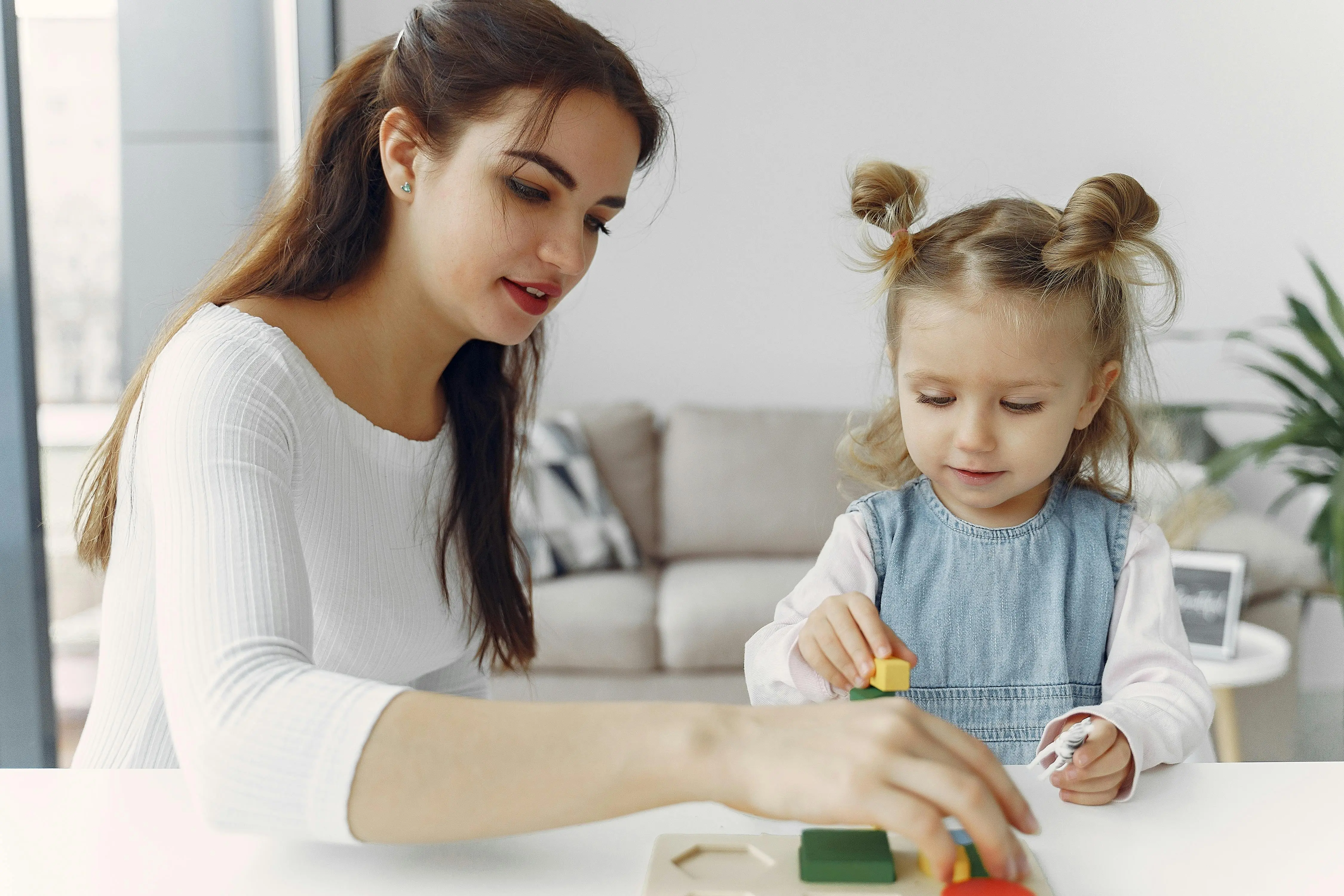
والألعاب المصمّمة بمشاركة أخصّائيين علاجيين — مثل ألعاب وندرتري للتوحد — إحدى الوسائل لدعم الأطفال ذوي التوحد عبر لعب منظّم وجذّاب يبني مهارات حقيقية.
في مرحلة البلوغ
تتحوّل أبرز الاهتمامات نحو التواصل والعمل والعيش المستقل والعلاقات والتخطيط وإدارة الحياة اليومية.
هل يتغيّر مستوى التوحد مع الوقت؟
قد تتغيّر احتياجات الدعم مع الوقت، وقد يُعاد تقييم المستوى تبعاً لذلك. فمع التدخّل المناسب واكتساب المهارات، قد يحتاج الشخص إلى دعم أقل مما كان يحتاجه سابقاً.
لكن التوحد نفسه لا يزول. فالتغيّر يكون في مقدار المساندة اللازمة، لا في كون الشخص على الطيف. وهذا فارق مهم يريح كثيراً من الأهالي حين يفهمونه.
الأسئلة الشائعة
ما الفرق بين مستويات التوحد الثلاثة؟
تصف المستويات الثلاثة مقدار الدعم الذي يحتاجه الشخص وفق الدليل التشخيصي DSM-5: المستوى الأول «يحتاج إلى دعم»، والثاني «يحتاج إلى دعم كبير»، والثالث «يحتاج إلى دعم كبير جداً». وهي لا تقيس الذكاء ولا شدّة «المرض»، بل الحاجة إلى المساندة في التواصل الاجتماعي والسلوكيات المقيّدة.
هل يستطيع من هو على المستوى الثاني من التوحد العيش باستقلالية؟
بعضهم نعم، إما باستقلالية كاملة أو جزئية، وبعضهم يحتاج إلى دعم يومي مستمر. والفارق الأكبر ليس التصنيف نفسه، بل المهارات العملية وملمح التواصل والوعي بالسلامة وتنظيم الانفعالات وأنظمة الدعم المحيطة.
هل التوحد على المستوى الثاني إعاقة؟
يُصنَّف اضطراب طيف التوحد اضطراباً في النمو العصبي، وتُعدّ درجاته الأعلى إعاقة في كثير من الأنظمة، وهو ما يتيح الحصول على خدمات الدعم والتعليم الخاص. وتختلف التسميات والإجراءات من بلد إلى آخر.
هل يستطيع الطفل على المستوى الثاني الالتحاق بمدرسة عادية؟
كثير من الأطفال يلتحقون بمدارس عادية مع دعم مناسب، مثل خطة تربوية فردية أو معلّم مساند أو تعديلات في البيئة الصفّية. ويعتمد القرار على احتياجات الطفل وعلى ما توفّره المدرسة فعلاً من مساندة.
هل يمكن أن ينتقل الطفل من المستوى الثاني إلى الأول؟
قد تتغيّر احتياجات الدعم مع التدخّل واكتساب المهارات، وقد يُعاد التقييم ليعكس ذلك. لكن التوحد نفسه لا يزول؛ ما يتغيّر هو مقدار المساندة اللازمة.
على أي أساس يُحدَّد مستوى التوحد؟
يُحدَّد بناءً على تقييم شامل يجريه مختصّ، يراقب فيه التواصل الاجتماعي والسلوكيات المقيّدة أو التكرارية عبر بيئات مختلفة، ومدى تأثيرها في الأداء اليومي. ولا يُحدَّد برقم واحد ولا باختبار منزلي.
Was this article helpful?
مراجعة سريرية بإشراف

بقلم

Last medically reviewed on ٢٨ أبريل ٢٠٢٦
How we reviewed this article:
- (2024). Clinical Testing and Diagnosis for Autism Spectrum Disorder CDC. https://www.cdc.gov/autism/hcp/diagnosis/index.html
- (2024). ASD Levels of Severity autismspeaks.org. https://www.autismspeaks.org/levels-of-autism
- (2024). Independent Living Resources autismspeaks.org. https://www.autismspeaks.org/independent-living
- (2024). Life Skills and Autism autismspeaks.org. https://www.autismspeaks.org/life-skills-and-autism
- (2024). Varying Support Needs autism.org.uk. https://www.autism.org.uk/advice-and-guidance/what-is-autism/varying-support-needs
- (2024). Expert Q&A: DSM-5 and ASD autismspeaks.org. https://www.autismspeaks.org/science-blog/expert-qa-dsm-5-and-asd
٢٨ أبريل ٢٠٢٦
تحديث المحتوى ليغطّي مستويات التوحد الثلاثة بدل المستوى الثاني وحده.
٨ أكتوبر ٢٠٢٥