

Cognitive development in preschoolers is about how young children think, remember, understand, solve problems, and make sense of the world around them.
It includes everyday things like recognizing patterns, following simple instructions, remembering what comes next, asking questions, understanding cause and effect, matching shapes, sorting objects, and beginning to use language to explain ideas.
For parents, this matters because the preschool years are one of the most important stages for building the foundations of learning. Children are not just picking up facts at this age. They are learning how to learn.
What Is Cognitive Development In Preschoolers?
Cognitive development is the growth of thinking skills.
In preschoolers, this often includes several key areas:
- attention
- memory
- problem-solving
- early reasoning
- understanding categories
- recognizing patterns
- following instructions
- language-based thinking
- early number and shape awareness
These skills do not develop in isolation. They grow through conversation, movement, exploration, routines, stories, pretend play, and repetition.
That is why cognitive development at this age should never be thought of as something that only happens through formal learning. It happens constantly through play and daily life.
Why Do Preschool Years Matter So Much?
Between ages 3 and 5, children are making huge leaps in how they think.
They begin to:
- ask more “why” and “how” questions
- understand simple sequences
- sort objects by category
- notice differences and similarities
- remember familiar routines
- follow multi-step directions
- use imagination more meaningfully
- connect actions with outcomes
This is also the stage where children begin building the early skills that later support reading, math, classroom learning, and self-regulation.
That is why cognitive development in preschoolers is not just about “being smart.” It is about building the mental tools children use to understand, respond, and grow.
Signs of Healthy Cognitive Development In Preschoolers:
Every child develops at their own pace, but many preschoolers begin to show cognitive growth in ways that are easy to spot once you know what to look for.
You may notice your child:
- naming familiar colors, shapes, or objects
- completing simple puzzles
- understanding the concept of “same” and “different”
- remembering parts of a story
- following simple routines
- sorting toys by color, size, or type
- pretending that one object is something else (imagination)
- asking “why” and “how” questions
- beginning to count or recognize small quantities
- learning through repetition
These small signs matter because they show how a child is beginning to organize information and use it.
What Helps Cognitive Development In Preschoolers?
Young children learn best when learning feels active, safe, and enjoyable.
A few things support cognitive growth especially well.
Play:
Play is one of the strongest ways preschoolers develop thinking skills. Through play, children test ideas, repeat actions, notice patterns, solve problems, and explore cause and effect.
A child stacking blocks is learning. A child matching cards is learning. A child pretending to run a shop is learning. A child working out how to balance or sort objects is learning.
Conversation:
Talking with preschoolers helps them build language and thinking at the same time.
Simple things like asking:
- “What do you think will happen next?”
- “Why did that fall down?”
- “Can you find another one like this?”
- “What comes after this?”
This helps children think more deeply without making it feel like a lesson.
Repetition:
Repetition is not boring for preschoolers. It is how many of them learn best.
Hearing the same song, repeating the same game, tracing the same shape, or hearing the same story again helps children build familiarity and confidence.
Movement:
Many preschoolers think better when their bodies are involved.
Movement supports attention, coordination, timing, and body awareness, but it also helps children stay engaged. For many young children, learning feels easier when they can move, point, trace, jump, reach, or respond physically.
Predictable Routines:
Predictable routines help preschoolers understand sequence, memory, and order.
Knowing what comes first, next, and last helps build mental structure. This is one reason simple routines at home can quietly support cognitive growth.
Everyday Activities That Build Thinking Skills:
Parents do not need expensive tools or complicated plans to support cognitive development in preschoolers.
A lot of helpful activities are already part of ordinary life.
Sorting and Matching:
Ask your child to sort:
- blocks by color
- spoons by size
- socks by pair
- toys by type
- shapes by category
This helps with classification, observation, and visual thinking.
Puzzle Play:
Simple puzzles help children notice relationships between pieces, hold visual information in mind, and persist with a task.
Pretend Play:
Pretend games are excellent for preschool thinking.
Playing shop, school, doctor, kitchen, or animals helps children:
- remember roles
- create sequences
- use imagination
- solve little problems
- connect ideas together
Memory Games:
You can try:
- matching picture cards
- hide-and-find games
- object trays where one item disappears
- repeat-the-sequence claps or taps
These help strengthen recall and attention in fun ways.
Storytime With Questions:
Reading is even more powerful when it includes simple questions like:
- “What do you see here?”
- “Who is this?”
- “What do you think will happen next?”
- “How do they feel?”
This builds comprehension, prediction, memory, and vocabulary.
Building and Construction Play:
Blocks, stacking toys, magnetic tiles, and simple building materials help children think spatially, test ideas, and understand balance, order, and structure.
What Kinds of Games Support Cognitive Development Best?
The best games for preschool thinking skills are usually simple, active, and clear.
They often involve:
- matching
- sorting
- sequencing
- tracing
- remembering
- noticing patterns
- identifying emotions
- following instructions
- problem-solving through play
Preschoolers do not need games that are too busy or too advanced. They need games that help them focus on one useful task at a time and repeat it enough to feel successful.
Offline Games That Support Cognitive Development:
Offline games are still some of the best tools for early learning.
Here are a few examples:
Pattern Games:
Use blocks, beads, or colored paper to make a simple pattern and ask your child to continue it.
Object Sorting:
Give your child a mix of household objects and ask them to group them by shape, color, or size.
Memory Trays:
Place a few objects on a tray, let your child look, cover the tray, and ask what they remember.
Simple Treasure Hunts:
Ask your child to find something round, something blue, or something soft.
Sequence Games:
Talk through a routine like brushing teeth or getting dressed and ask what happens first, next, and last.
Emotion Games:
Show faces or act out feelings and ask your child to identify them.
These games work because they build real thinking skills without feeling heavy.
When Are Digital Games Helpful?
Digital games can support cognitive development in preschoolers when they are interactive, age-appropriate, and purposeful.
That means they should help children:
- notice
- choose
- match
- remember
- trace
- respond
- move
- solve simple challenges
The strongest digital experiences at this age do not just entertain. They support real skill-building in a way that keeps children involved.
WonderGames That Support Cognitive Development In Preschoolers:
If you are looking for preschool-friendly games that support thinking skills through play, these WonderGames are especially relevant:
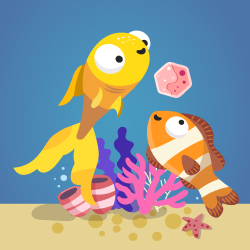
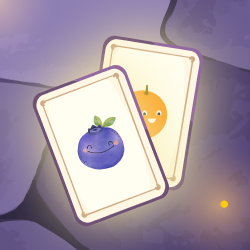
Feelings WHO IT HELPS ADHD | ASD | DCD | DS | CP ABOUT THE GAME تعرف على وحوش التعبير—خبراء المشاعر! طابق تعبيراتهم واحتفظ بوضعيتك لإتمام التحدي. تعلم كيف تعبر عن مشاعرك واكتشف الأحاسيس مع أصدقائك الوحوش الودودين! SKILLS DEVELOPED فهم المقروء اتباع التعليمات معالجة متعددة الخطوات تمييز المشاعر تمييز تعبيرات الوجه التعبير عن الذات التعاطف Fish munchies WHO IT HELPS ADHD | ASD | DCD | DS | CP ABOUT THE GAME انغمس في عالم تحت الماء مع أصدقائك من الأسماك! قدّم لهم الوجبات المثالية على شكل أسماك واستكشف الأشكال بينما تُشبع بطونهم الجائعة. مستعد للغوص؟ SKILLS DEVELOPED الانتباه والتركيز حل المشكلات التفكير النقدي اتخاذ القرار التعرف على الأشكال التعرف على الألوان المطابقة والربط التخطيط والتنظيم Shape Trace WHO IT HELPS ADHD | DCD | ECD ABOUT THE GAME قم بتشكيل معرفتك من خلال تتبع الأشكال بيدك! اختر شكلك المفضل، اتبع الخطوط على الشاشة، وشاهدها تنبض بالحياة. مستعد للإبداع؟ هيا نتتبع! SKILLS DEVELOPED الانتباه والتركيز الوعي البصري المكاني التعرف على الأنماط التسلسل والترتيب الانتباه والتركيز الوعي البصري المكاني التعرف على الأنماط التسلسل والترتيب Color quest WHO IT HELPS ADHD | ASD | DCD | DS | CP ABOUT THE GAME اركب مكنسة الساحر في مغامرة ملونة! استخدم يدك السحرية لاختيار الألوان، واستمع إلى الألحان الساحرة، واستكشف أسرارها. مستعد للطيران في عالم الألوان؟ هيا بنا! SKILLS DEVELOPED الانتباه والتركيز الوعي البصري المكاني التعرف على الأنماط التسلسل والترتيب تمييز الألوان الصوتيات مهارات الفهم المهارات الأكاديمية BRAIN GRUB WHO IT HELPS ADHD ABOUT THE GAME اختبر ذاكرتك مع Brain Grub! اقلب البطاقات للعثور على الأزواج المتطابقة وسجل نقاطاً أعلى مع كل تطابق. اكتشف مدى سرعتك في التقدم — حان وقت تحدي عقلك! SKILLS DEVELOPED الانتباه والتركيز الذاكرة التعرف على الأنماط التسلسل والترتيب الفرز المطابقة والربط إتمام المهام Brain grub 2 WHO IT HELPS ADHD ABOUT THE GAME اختبر ذاكرتك مع Brain Grub! اقلب البطاقات للعثور على الأزواج المتطابقة وسجل نقاطًا أعلى مع كل تطابق. شاهد مدى سرعتك في التقدم — حان وقت تحدي عقلك! SKILLS DEVELOPED الانتباه والتركيز الذاكرة التعرف على الأنماط التسلسل والترتيب الفرز المطابقة والربط إتمام المهام ASTRO BLOCKS WHO IT HELPS ASD | DCD | DS | CP ABOUT THE GAME استخدم جسمك للتحكم في المضرب، ارتدِ الكرة، وحطم تلك الكتل. لا تدع الكرة تسقط — مهمتك تعتمد عليها. هل أنت مستعد للإقلاع؟ 3... 2... 1... انطلاق! SKILLS DEVELOPED الانتباه والتركيز التعرف على الأنماط التسلسل والترتيب الوعي البصري المكاني حركة الأطراف العلوية تنسيق اليد والعين قوة الجذع التحكم في الوضعية ASTRO BLOCKS 2 WHO IT HELPS ASD | DCD | DS | CP ABOUT THE GAME استخدم جسمك للتحكم في المضرب، وارتد الكرة، وحطم الكتل. لا تدع الكرة تسقط — مهمتك تعتمد على ذلك. مستعد للانطلاق؟ 3... 2... 1... انطلاق! SKILLS DEVELOPED الانتباه والتركيز التعرف على الأنماط التسلسل والترتيب الوعي البصري المكاني حركة الأطراف العلوية تنسيق اليد والعين قوة الجذع التحكم في الوقوف Number Trace WHO IT HELPS ADHD | DCD | ECD ABOUT THE GAME هيا نبدأ العد مع Number Trace! تتبع الأرقام بيدك، شاهدها تنبض بالحياة، وعزز مهاراتك في العد. مستعد للعد نحو النجاح؟ لنبدأ! SKILLS DEVELOPED الانتباه والتركيز الوعي البصري المكاني التعرف على الأنماط التسلسل والترتيب التعرف على الأرقام الصوتيات والنطق تطوير المفردات اتباع التعليمات Phonics island WHO IT HELPS ADHD | ASD | DCD | DS | CP ABOUT THE GAME أبحر في عالم الصوتيات من خلال تمرير المؤشر على البطاقات لسماع أصوات الحروف. تدرب لإتقان الصوتيات، لكن احذر الوحوش المخادعة مثل 'k' و 'gh' الصامتة! مستعد لتصبح قرصان الصوتيات الأفضل؟ فلننطلق! SKILLS DEVELOPED الانتباه والتركيز الوعي البصري المكاني التعرف على الأنماط التسلسل والترتيب تمييز الحروف ربط الكلمات فهم القراءة الصوتيات والنطق COGNITIVE SKILLS
 EDUCATIONAL SKILLS COGNITIVE SKILLS EDUCATIONAL SKILLS COGNITIVE SKILLS EDUCATIONAL SKILLS COGNITIVE SKILLS EDUCATIONAL SKILLS COGNITIVE SKILLS EDUCATIONAL SKILLS COGNITIVE SKILLS EDUCATIONAL SKILLS COGNITIVE SKILLS
 MOTOR SKILLS COGNITIVE SKILLS MOTOR SKILLS COGNITIVE SKILLS EDUCATIONAL SKILLS COGNITIVE SKILLS EDUCATIONAL SKILLS





These games connect well with preschool cognitive development because they touch important areas like:
- memory
- attention
- matching
- shape recognition
- number awareness
- problem-solving
- language readiness
- emotional understanding
- visual tracking
For a parent searching this topic, that matters more than a game simply being “educational” on paper. The real question is whether the activity helps a child think, notice, remember, and respond in ways that match their stage of development.
How to Support Cognitive Growth Without Pressure?
One of the easiest mistakes is trying to turn every activity into a lesson. Preschoolers do not need that.
They need:
- short activities
- repeated opportunities to practice
- room to explore
- encouragement
- simple goals
- time to move and play
A child does not need to master everything quickly. What matters more is steady exposure to the kinds of play that build attention, memory, reasoning, and confidence over time.
When Should Parents Pay Closer Attention?
Children develop at different speeds, and variation is normal.
Still, it can help to notice when a child consistently struggles with things like:
- following very simple instructions
- remembering familiar routines
- noticing basic differences between objects
- engaging in pretend play
- matching or sorting simple items
- staying with a short, age-appropriate task
If those concerns keep showing up, it can be helpful to speak with a pediatrician, educator, or developmental professional for guidance.
To Sum It Up:
Cognitive development in preschoolers is not about pushing children too far, too fast.
It is about giving them the right kinds of experiences at the right time.
When preschoolers get to play, explore, repeat, ask questions, move, and solve little problems, they build the thinking skills that support later learning in a very natural way.
That is why the best support often looks simple.
A matching game. A puzzle. A pretend story. A shape trace. A memory challenge. A movement-based activity. A conversation about feelings. A counting game at snack time.
These moments may look small, but they are doing important work.
And when children learn through experiences that feel active, playful, and encouraging, cognitive skill development becomes a natural part of everyday life rather than something forced.