Autism is not one thing, and the diagnosis reflects that. ASD Level 1 is the designation used when someone is autistic and needs support, but less of it than most. It is frequently identified late, because the things that would prompt a referral in another child are often absent.
This covers what the label actually means, how it presents in children and in adults, the two questions families ask most, and the support that tends to help.
What ASD Level 1 Means
Level 1 is the DSM-5-TR designation for autism "requiring support", the lowest of three levels. Level 2 requires substantial support, Level 3 very substantial support.
The important thing about the levels is what they measure. They describe how much support a person needs, not how autistic they are and not how capable they are. Someone at Level 1 is typically verbally fluent and academically able. The difficulty sits in social communication and in coping when something changes without warning.
That combination is exactly why it gets missed. A child who speaks well and does well in class does not look like the picture many people carry of autism, so the social exhaustion underneath goes unexamined for years.
How It Presents in Children
- Social communication. Conversation takes visible effort. Eye contact may be uncomfortable, and implied meaning or social hints are often missed.
- Difficulty with change. An unexpected change of plan can be genuinely distressing rather than merely annoying.
- Routines and repetition. Strong preference for things happening the same way, and repeated behaviours that are calming rather than purposeless.
- Intense interests. Deep, sustained focus on particular subjects, often well beyond what is typical for the age.
- Friendships and school. Academic work may be fine while break times are the hardest part of the day.
How It Presents in Adults
In adults it is frequently mistaken for introversion or social awkwardness, particularly in those who were never assessed as children.
- Reading tone, expression and body language takes conscious effort rather than happening automatically
- Starting and sustaining conversation is tiring, and misunderstandings are common
- Unexpected changes to plans are disproportionately difficult
- Work and relationships are manageable but can be exhausting in ways that are hard to explain
Many adults describe the experience as functioning well at a cost nobody else can see.
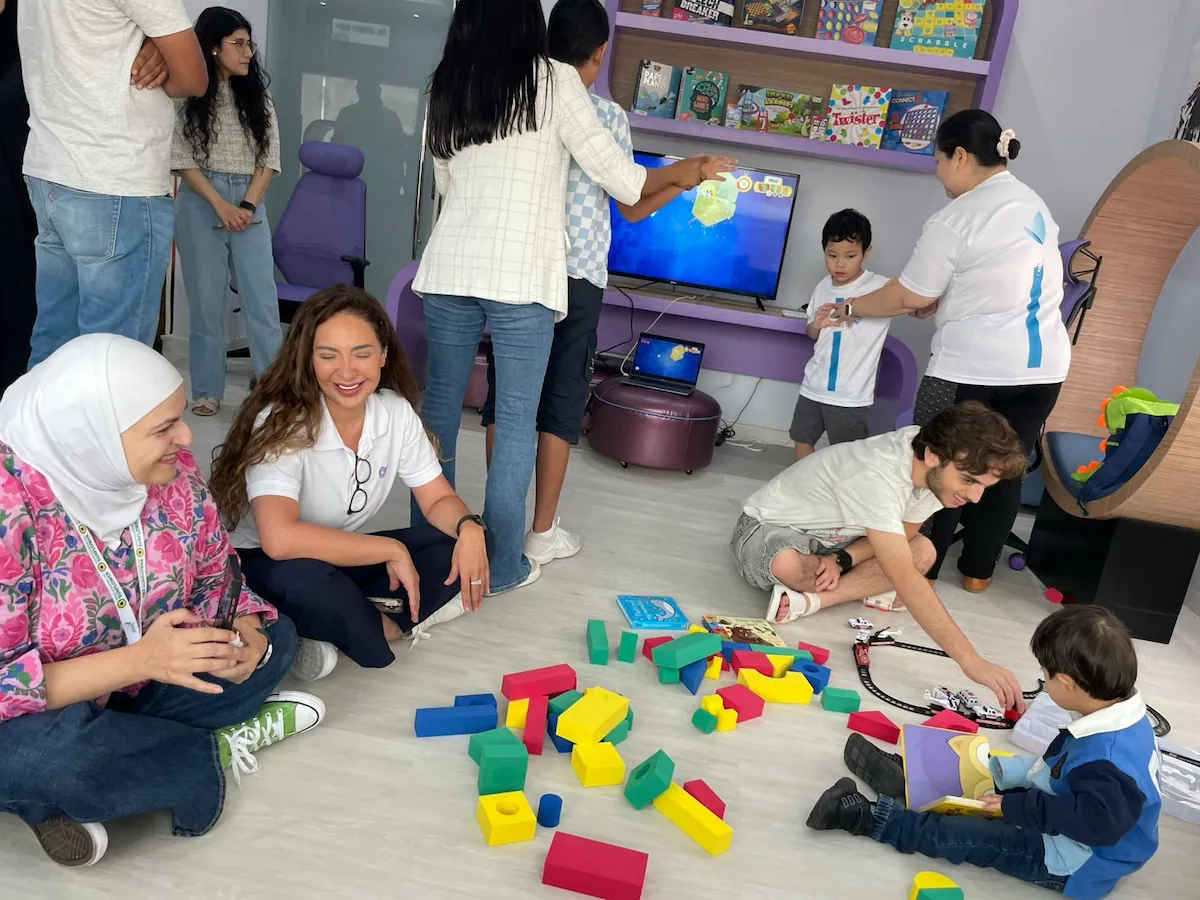
Build Skills Through Play
AR games designed with therapists — for children with ADHD, ASD, DCD, and more. Just a laptop camera. No downloads.
Play 2 Games FreeCan Someone With Level 1 Autism Live Independently?
Usually yes. Independent living is common at this level, and it is one of the things that distinguishes Level 1 from the levels above it.
What varies is the timeline and the scaffolding. Independence often arrives later than for peers, and tends to need support around specific pressure points rather than across the board: managing appointments and admin, navigating workplace communication, handling changes to plans. The limiting factor is rarely capability. It is how draining sustained social demand becomes, and how much recovery time a person needs after it.
Can a Child With Level 1 Autism Go to Mainstream School?
Most do. Level 1 autism does not affect intellectual ability, and the majority of children are in mainstream classes.
What makes the difference is adjustment rather than separation:
- Warning before change. A different teacher or a changed timetable is much easier with notice.
- Somewhere predictable to go when things become too much, before it escalates.
- Support at unstructured times. Break and lunch are usually harder than lessons, because the rules are invisible.
- Explicit instructions. Saying what is expected rather than assuming it is obvious.
Support That Helps
There is no treatment for autism itself, and it is not something to be cured. Support is about reducing the friction between how a person is wired and how the environment is arranged.
- Predictable routine. The single most effective thing for most children. It lowers baseline anxiety, which makes everything else easier.
- Rehearsed social situations. Practising what to say before it is needed works far better than correcting it afterwards.
- Speech and language therapy for the pragmatic side of communication, not for speech itself.
- Occupational therapy where there are sensory sensitivities.
- Counselling or peer groups, particularly for adults managing work and relationships.
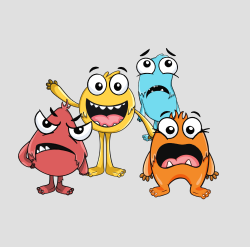
Rehearsal is the part parents can do at home, and it works better with the social pressure removed. Practising emotional recognition and turn-taking through a game rather than a conversation takes the audience out of the equation.
Practising Social Skills Through Play
Rehearsing emotional recognition and turn-taking without an audience, which is often the barrier rather than the skill itself.

This article is general information about a diagnosis. It is not a diagnostic tool and does not replace assessment by a qualified clinician who has met your child.
How It Is Diagnosed
Diagnosis involves observation of behaviour and communication, a developmental history, questionnaires completed by parents or teachers, and assessment by a paediatrician, psychologist or specialist team.
It is harder to identify at this level precisely because fluent speech and academic ability mask the social difficulty. Many people are diagnosed in adolescence or adulthood, often after a period of burnout.
See It In Action
Book a free call and see how WonderTree works for your child, classroom, or therapy center.
Book a Free Call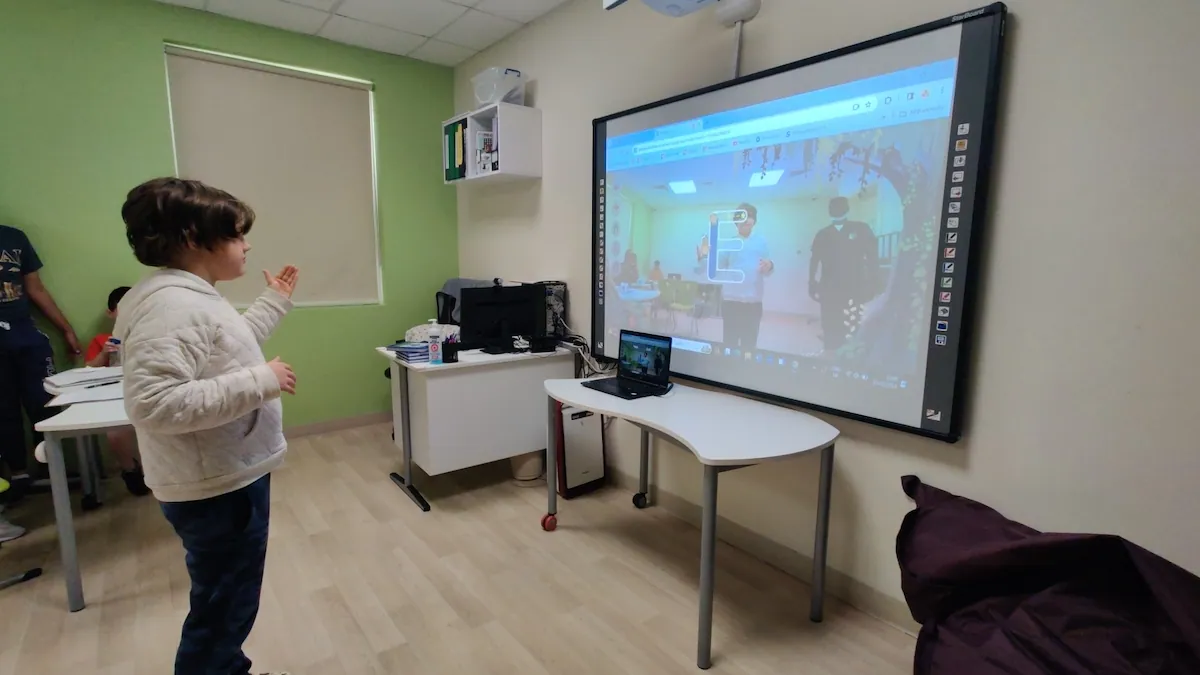
Frequently Asked Questions
What does ASD Level 1 mean?
It is the DSM-5-TR designation for autism "requiring support", the lowest of three support levels. A person at Level 1 can usually speak fluently and manage daily life, but finds social communication effortful and struggles when routines change unexpectedly.
Can someone with Level 1 autism live independently?
Many do. Independent living is common at this level, though it often takes longer to establish and may need scaffolding around the harder parts, such as managing appointments, workplace communication or unexpected changes. Independence is not usually limited by capability but by how draining sustained social demand can be.
Can a child with Level 1 autism go to mainstream school?
Most do. Level 1 autism does not affect intellectual ability, and the majority of children attend mainstream classes. What helps is adjustment rather than separation: warning before changes to routine, a predictable place to go when overwhelmed, and support at unstructured times like break, which are usually harder than lessons.
How is Level 1 autism diagnosed?
Through observation of behaviour and communication, developmental history, questionnaires completed by parents or teachers, and assessment by a paediatrician, psychologist or specialist team. It is often identified later than other levels because fluent speech and academic ability can mask the social difficulties.
Is ASD Level 1 the same as Asperger's syndrome?
Not exactly, though they overlap. Asperger's syndrome was removed as a separate diagnosis in DSM-5 in 2013 and folded into autism spectrum disorder. Many people previously diagnosed with Asperger's would now meet the criteria for Level 1, but the terms are not interchangeable and some people still prefer the older label for themselves.
Can Level 1 autism become more or less severe?
The autism itself does not change, but support needs can. A person may need more support during a stressful period and less once routines are stable, and skills built over time can reduce day-to-day difficulty. Support levels describe a person's needs at a point in time rather than a fixed category.
Was this article helpful?
Written by

Last medically reviewed on September 9, 2026
How we reviewed this article:
- (2022). Diagnostic and Statistical Manual of Mental Disorders (5th ed., text revision) American Psychiatric Association Publishing. https://www.psychiatry.org/psychiatrists/practice/dsm
- (2020). Autism spectrum disorder Nature Reviews Disease Primers, 6(1), 5. https://pubmed.ncbi.nlm.nih.gov/31949163/
- (2024). Signs and Symptoms of Autism Spectrum Disorder Centers for Disease Control and Prevention. https://www.cdc.gov/autism/signs-symptoms/index.html
- (2024). Bright Futures Guidelines for Health Supervision of Infants, Children, and Adolescents, 4th Edition American Academy of Pediatrics. https://publications.aap.org/brightfutures
September 9, 2026
Migrated from WordPress. Added sections on independent living and mainstream schooling, DSM-5-TR framing, and clinical sources.
March 4, 2025