Your child lines their toys up in a precise row, melts down when the routine changes, and would rather play alone than join the group. A teacher mentions the word "autism" and now you can't stop turning it over. Here is the honest answer up front: those behaviors are autistic traits, and having autistic traits is not the same thing as being autistic. A large minority of children show some of them and never meet the criteria for a diagnosis.
This article explains where the line actually sits, why a child can live near that line without crossing it, and what to do in either case.
Build Skills Through Play
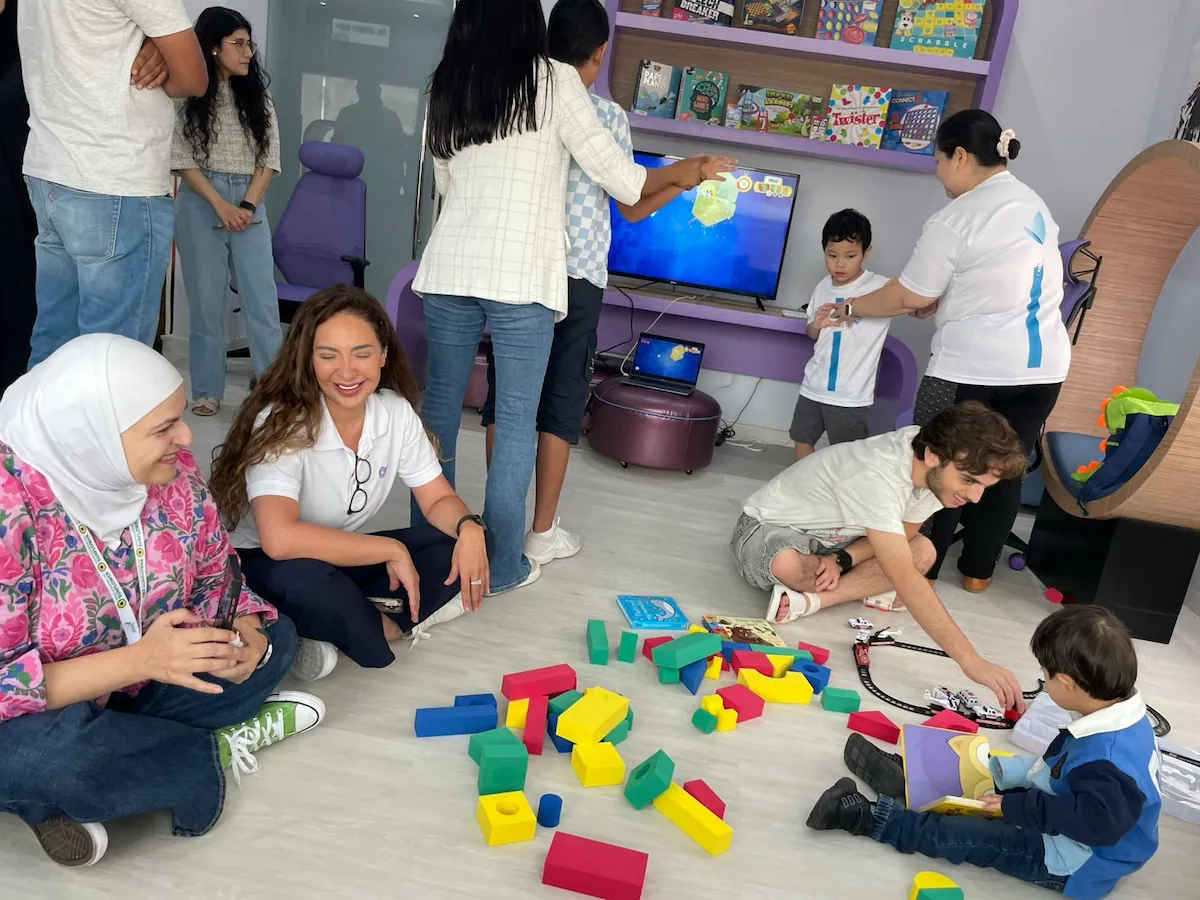
AR games designed with therapists — for children with ADHD, ASD, DCD, and more. Just a laptop camera. No downloads.
Try Free for 14 DaysWhat Autistic Tendencies Are
Autistic tendencies (researchers call the milder, subclinical version the broader autism phenotype) are behaviors and processing styles that resemble those seen in Autism Spectrum Disorder without reaching its intensity or breadth. The concept came out of family studies in the 1990s, which found that close relatives of autistic children often show mild versions of the same traits, such as strong routines, deep narrow interests, or discomfort with small talk, while functioning without any support at all.
In a child this can look like needing warning before transitions, covering ears in a noisy canteen, or knowing every fact about one beloved topic. Real traits, worth understanding, and on their own not a diagnosis.
Related: Signs of Autism in 3-Year-Olds: What to Watch For →Where the Diagnostic Line Actually Sits
Clinicians do not diagnose autism by counting traits. Under the DSM-5-TR, the traits have to be persistent, present across different settings, and, critically, they must significantly impair everyday functioning: friendships, learning, family life. That impairment requirement is the line. A child who needs routines but adapts with support, communicates their needs, and holds friendships is on one side of it. A child whose routines rule the household and whose distress blocks school participation may be on the other.
| Aspect | Autistic Tendencies | Autism Spectrum Disorder (ASD) |
|---|---|---|
| Intensity | Mild to moderate | Moderate to severe |
| Frequency | Occasional or situational | Persistent, across multiple settings |
| Impact on daily life | Manageable with ordinary adjustments | Interferes with communication, learning, or relationships |
| Formal support | Usually not required | Usually benefits from tailored intervention |
Traits That Get Mistaken for Autism
These are the behaviors parents most often bring to us worried, and each has several possible explanations besides autism:
- Intense focus on one interest (also: giftedness, or simply a passionate kid)
- Preferring solo play (also: introversion)
- Strong need for routine and predictability (also: anxiety)
- Sensory sensitivities to noise, textures, or lights (also: sensory processing differences that occur without autism)
- Difficulty with small talk or reading social cues (also: shyness, speech and language delay, or limited practice)
- Meltdowns in chaotic environments (also: age-typical emotional regulation still developing)
Anxiety and ADHD deserve special mention because both are commonly mistaken for autism in young children, and both are also common alongside it. This overlap is exactly why self-diagnosing from checklists goes wrong in both directions.
We worked with a five-year-old whose parents and teachers were convinced he was autistic: changes in routine stressed him badly, he avoided group activities, and he barely spoke in new settings. A comprehensive assessment pointed to severe social anxiety instead. Once support shifted to easing the anxiety rather than pushing social participation, many of those behaviors faded on their own over the following months.
Why a Child Can Have Traits but No Diagnosis
Four reasons come up again and again in assessments:
- Personality. Reserved, focused, sensitive children exist on every playground, and always have.
- A different condition. Anxiety, ADHD, OCD, and early trauma can each produce autistic-looking behavior.
- Learned coping. Some routines and withdrawal behaviors are a child's strategy for managing stress, not a fixed neurological trait.
- Masking. Girls in particular often camouflage their traits at school, which can mean a genuinely autistic child misses the criteria as observed, or a child with mild traits looks entirely typical everywhere except home. If your daughter only shows these behaviors at home, say that explicitly to the assessor.
Should You Seek an Assessment?
Use the impairment line as your guide. Seek an assessment if the traits are causing your child distress, costing them friendships, or blocking learning; skip the label, at least for now, if they are quirks your child manages well. An assessment is information, not a verdict: many families tell us the process helped them understand their child better even when the answer was "not autism."
If you do go, take notes from both home and school, because assessors need the cross-setting picture, and ask specifically about anxiety and ADHD so the overlap is examined rather than assumed away.
While You Wait, and Whatever the Answer Is
Games That Build Skills While You Wait
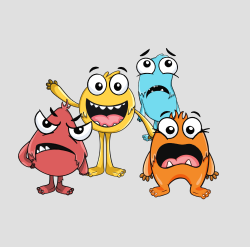
Support does not depend on a diagnosis. These two build emotional recognition and coordination through play.

Waiting lists for developmental assessments run long in most countries. The good news is that the useful responses are the same on both sides of the line: predictable routines, warning before transitions, respect for sensory limits, and structured practice with social skills and focus.
Structured play is one of the most natural vehicles for that practice. WonderTree's therapeutic games were built with exactly this population in mind: they exercise attention, motor coordination, and turn-taking in a low-pressure format, and they work for children with traits, with a diagnosis, or with neither.
Many of the children using WonderTree have no formal diagnosis. Their parents come to us after noticing difficulties with coordination, attention, or picking up new skills, and want structured support while they work out the next steps.
See It In Action
Book a free demo and see how WonderTree works for your child, classroom, or therapy center.
Book a Free Demo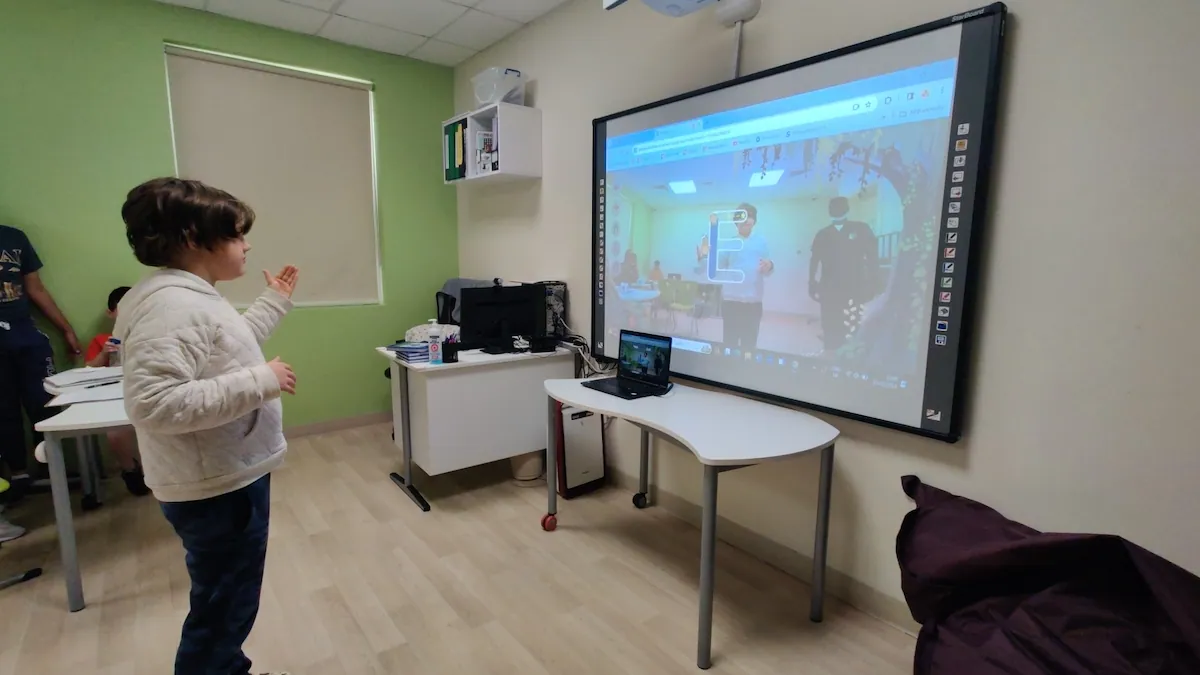
Frequently Asked Questions
Can a child have autistic traits without being autistic?
Yes. Researchers call this the broader autism phenotype: real autistic-like traits that never reach the intensity, consistency, or day-to-day impact required for an ASD diagnosis.
What separates autistic tendencies from autism?
Impairment. Diagnosis under the DSM-5-TR requires the traits to be persistent across settings and to significantly interfere with daily functioning. Traits that a child manages with ordinary support do not meet that bar.
When should I seek professional help?
When the traits cause your child distress, interfere with friendships or school, or when you suspect something else such as anxiety or ADHD may be involved. A child psychologist or developmental pediatrician can untangle the overlap.
Can online games help children with autistic tendencies?
Structured games can give children low-pressure practice with focus, motor skills, and turn-taking. WonderTree's games are designed with therapist input for exactly this kind of practice, diagnosis or not.
Is it possible to have autistic tendencies and live a completely normal life?
Yes, and most people with subclinical traits do. The traits often come packaged with real strengths, such as deep focus and reliability, and need no treatment when they are not causing problems.
Was this article helpful?
Clinically Reviewed by

Written by

Last medically reviewed on July 4, 2026
How we reviewed this article:
- (2022). Diagnostic and Statistical Manual of Mental Disorders, Fifth Edition, Text Revision (DSM-5-TR) American Psychiatric Publishing. https://www.psychiatry.org/psychiatrists/practice/dsm
- (1997). Broader autism phenotype: Evidence from a family history study of multiple-incidence autism families American Journal of Psychiatry, 154(2), 185-190. https://doi.org/10.1176/ajp.154.2.185
- (2006). Comorbid psychiatric disorders in children with autism spectrum disorders Journal of Autism and Developmental Disorders, 36(6), 849-861. https://doi.org/10.1007/s10803-006-0123-0
- (2017). Quantifying and exploring camouflaging in men and women with autism Autism, 21(6), 690-702. https://doi.org/10.1177/1362361316671012
July 4, 2026
Substantive rewrite for clarity and accuracy; pending clinical review.
November 20, 2025