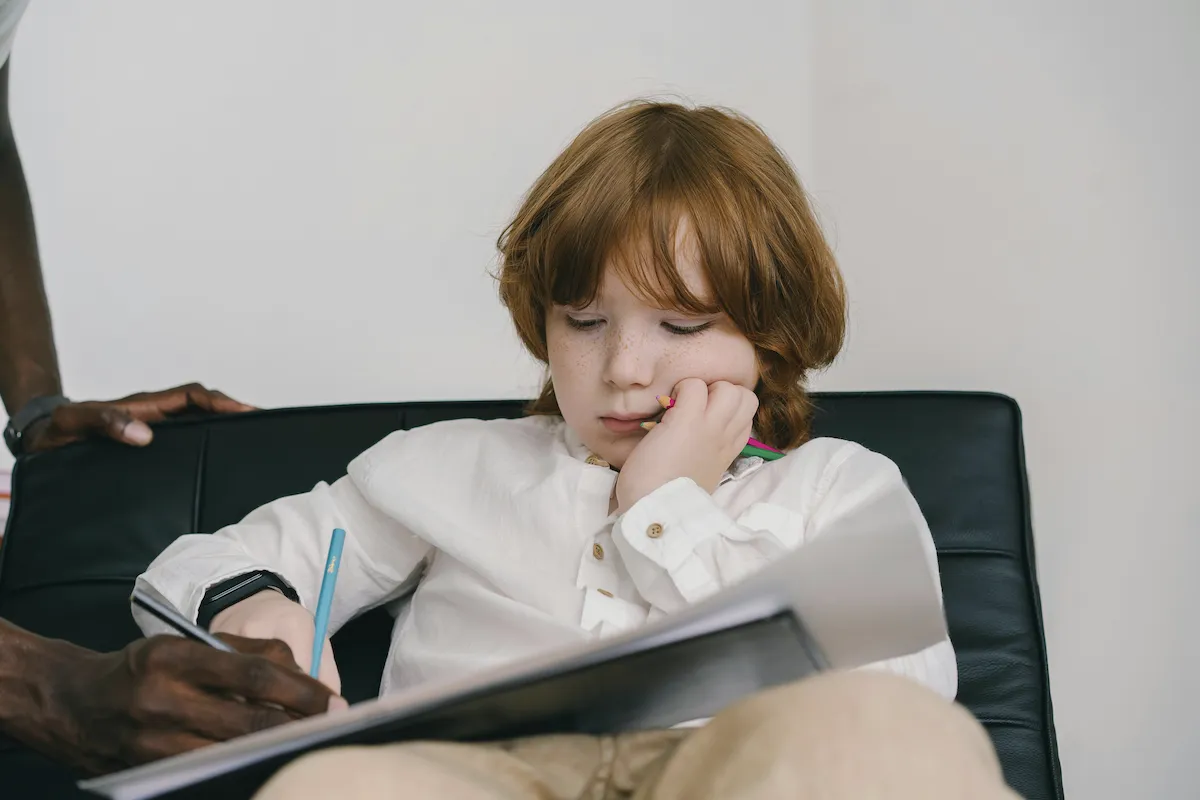
When a child prefers playing alone, gets overwhelmed by noisy environments, or becomes intensely fixated on a single interest, parents often wonder: is this autism, or something else? Understanding the difference matters — not just for a diagnosis, but for knowing what kind of support actually helps.
Autistic tendencies refer to behaviors, thought patterns, or social differences that are similar to those seen in people diagnosed with Autism Spectrum Disorder (ASD), but they may not be intense or consistent enough for a clinical diagnosis. These traits can appear in how someone communicates, processes sensory information, or engages in routines.
What Are Autistic Tendencies?
Examples include needing time alone after social events, being highly focused on specific interests, or finding loud environments overwhelming. While they mirror some characteristics of autism, they don't always indicate a medical condition.
You might notice these traits in your child — a preference for routines, difficulty with transitions, or an unusually deep focus on one topic. These experiences are real and worth paying attention to, but their presence alone doesn't confirm an autism diagnosis.
Related: Understanding Autistic Tendencies in Kids — A Guide for Parents →Can You Have Autistic Traits Without Being Autistic?
Yes, absolutely. Many people — and many children — show autistic traits without being on the spectrum. Autism exists on a spectrum, and some individuals fall into what researchers call the broader autism phenotype. These individuals share similar traits but don't meet the full criteria for a diagnosis based on intensity, frequency, or impact on daily life.
Think of it as standing near the border of a country — you might share some customs, but you're not officially a citizen.
Key Differences Between Autistic Tendencies and Autism Spectrum Disorder
The difference often comes down to functionality, frequency, and impact. While a child may prefer routines, dislike small talk, or need time alone to recharge, these traits only become part of an ASD diagnosis if they consistently interfere with relationships, learning, or daily functioning.
| Aspect | Autistic Tendencies | Autism Spectrum Disorder (ASD) |
|---|---|---|
| Intensity | Mild to moderate | Moderate to severe |
| Frequency | Occasional or situational | Persistent across multiple settings |
| Impact on Daily Life | Manageable | Often disrupts communication or function |
| Need for Support | Usually not required | Often needs tailored interventions |
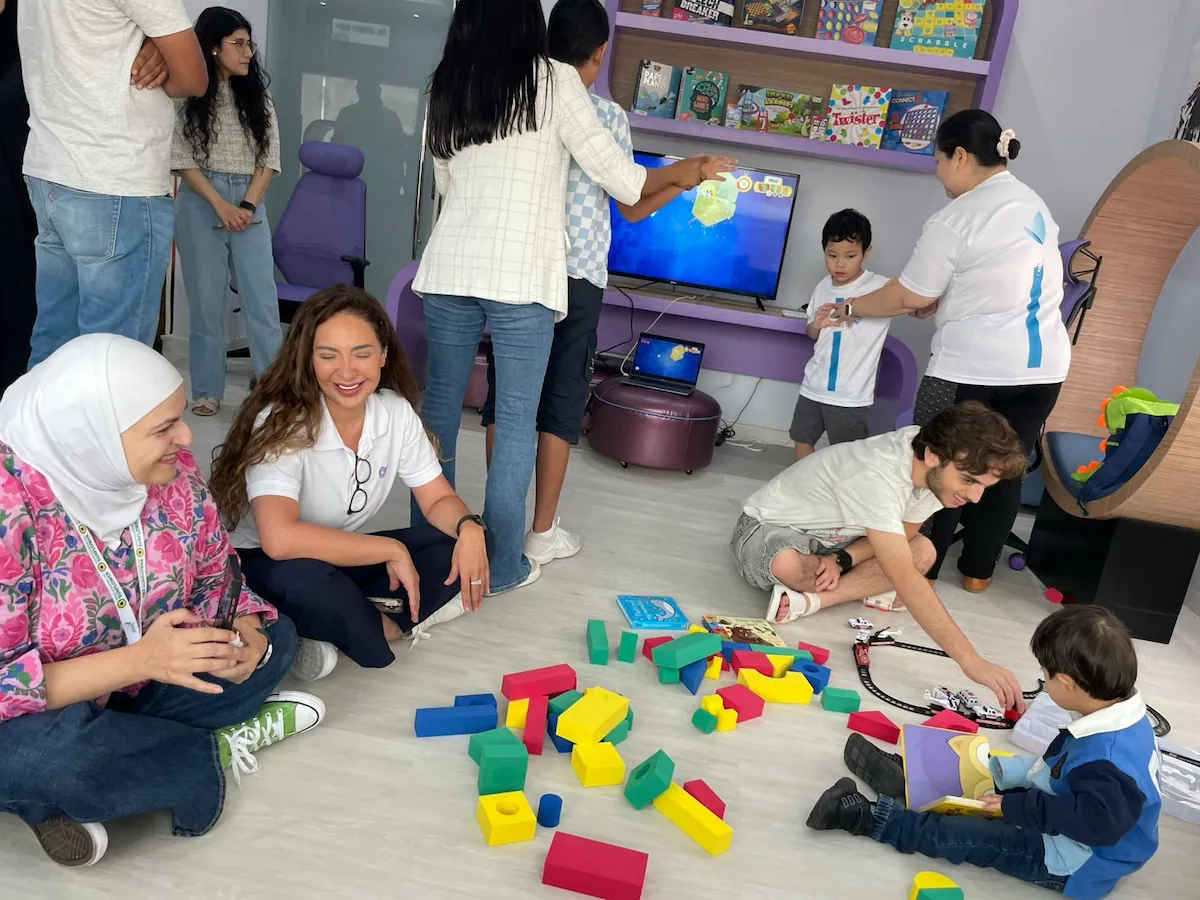
Build Skills Through Play
AR games designed with therapists — for children with ADHD, ASD, DCD, and more. Just a laptop camera. No downloads.
Try Free for 14 DaysCommon Signs That May Be Mistaken for Autism
Some traits often get misinterpreted as autism when they might simply be expressions of personality, introversion, or even anxiety:
- Intense focus on hobbies or specific interests
- Preferring solo activities over group play
- Needing structure or predictable routines
- Sensory sensitivities (e.g., disliking loud noises, certain textures)
- Difficulty with small talk or reading social cues
- Feeling emotionally overwhelmed in chaotic environments
If these traits don't cause distress or significantly interfere with your child's life, they may not indicate ASD at all.
Why Some Children Have Traits But Don't Meet Diagnostic Criteria
There are several reasons a child might display autistic-like traits without qualifying for an autism diagnosis:
- Personality Style: Some children are naturally more reserved, focused, or sensitive — and that's completely normal.
- Other Conditions: Anxiety, ADHD, OCD, or early childhood trauma can mimic many autistic traits.
- Coping Strategies: Some behaviors develop as ways of managing stress or sensory overwhelm, not rooted in autism itself.
- Gender Differences: Girls and non-binary children often mask or camouflage traits more effectively, leading to a subtler profile that doesn't meet full diagnostic criteria.
Is This Neurodivergence or Just Personality?
It's not always black and white. Neurodivergence includes many experiences and conditions — autism, ADHD, dyslexia, and more. If your child's traits shape how they think, feel, and interact with the world in a way that's consistently different from peers, they may be neurodivergent even without a formal label.
That said, not every unique trait points to neurodivergence. Sometimes it's just a child being exactly themselves — and that's okay too.
Should You Seek a Diagnosis for Your Child?
It depends on how these traits affect your child's daily life. If they cause confusion, distress, friendship challenges, or difficulties at school, seeking clarity through a professional assessment can be genuinely helpful. Some families find that understanding their child's brain — even without a formal label — helps them build better routines, communicate with teachers, and reduce daily friction.
Others find their child is managing well without a diagnosis, and that's valid too. There's no single right answer.
When to Talk to a Professional
Consider reaching out to a child psychologist or developmental pediatrician if:
- Your child seems misunderstood, isolated, or different — and it's affecting their confidence or wellbeing
- They're struggling to manage routines, emotions, or friendships
- You suspect other conditions (anxiety, ADHD, sensory processing disorder) may also be present
- You want guidance on tools, therapies, or learning strategies that fit how their brain works
A specialist can help clarify whether your child's traits fall under the autism spectrum or stem from something else — and most importantly, help you figure out what kind of support works best for them.
In the meantime, structured, engaging activities that target social skills, focus, and motor coordination can make a real difference while you wait for an assessment. This is exactly where therapeutic gaming tools like WonderTree's games for autism come in — designed to build skills through play, in a low-pressure environment your child actually enjoys.
See It In Action
Book a free demo and see how WonderTree works for your child, classroom, or therapy center.
Book a Free Demo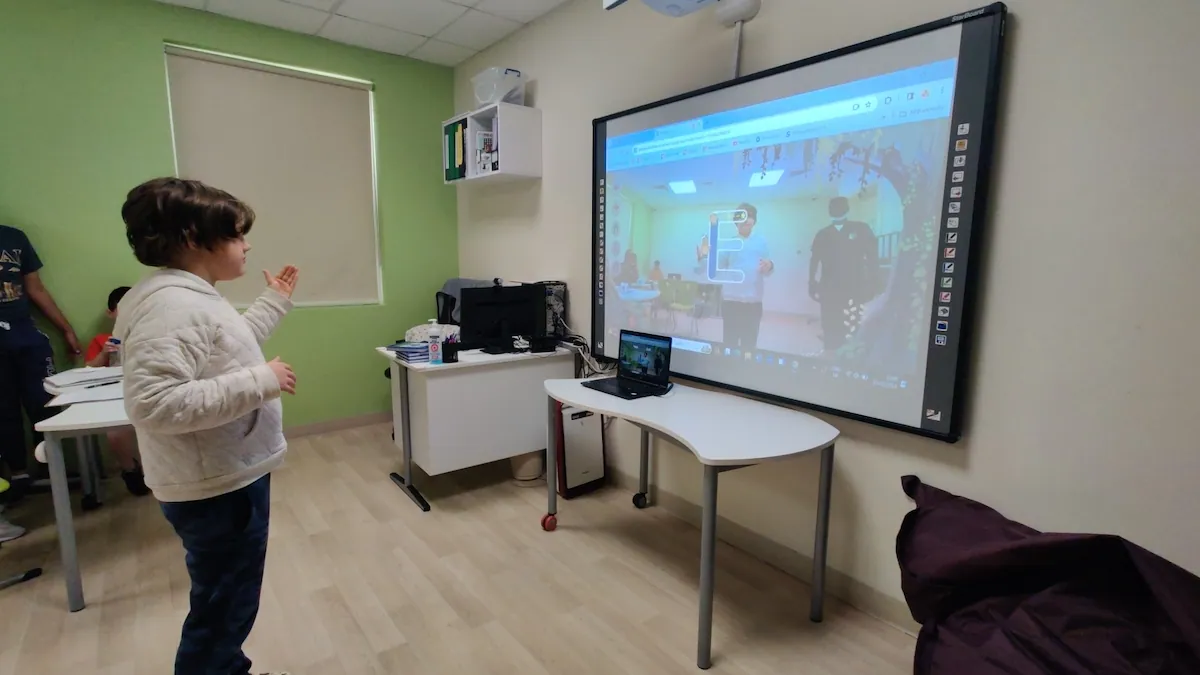
Frequently Asked Questions
What are autistic tendencies and how do they differ from autism?
Autistic tendencies are traits similar to those in autism — like sensory sensitivities, preference for routines, or difficulty in social situations — but they are less intense and don't consistently disrupt daily life enough to meet diagnostic criteria for ASD.
Can a child have autistic traits without being diagnosed with autism?
Yes. Many children show autistic traits without qualifying for a diagnosis. These may reflect personality, the broader autism phenotype, or other conditions like anxiety or ADHD that present similarly.
What are the early signs of autistic tendencies in children?
Common early signs include a strong need for routine, sensitivity to sensory input (sounds, textures, lights), difficulty reading social cues, limited eye contact, and intense focus on specific topics or objects.
Can online games help children with autistic tendencies?
Yes. Games specifically designed for children with special needs — like WonderTree's online games for autism — are built using feedback from parents and therapists to develop motor, cognitive, and social skills through structured play.
Is it possible to have autistic tendencies and still lead a normal life?
Absolutely. Many people with these traits lead full, successful lives. With the right understanding and support strategies, children can thrive in school, form friendships, and develop their strengths.
When should you seek professional help for a child's autistic traits?
If the traits cause distress, interfere with learning or friendships, or significantly impact your child's mental health or daily routine, it's wise to consult a child psychologist or developmental pediatrician.
Are there therapies for children with autistic tendencies?
Yes. Approaches like occupational therapy, speech therapy, cognitive behavioral therapy (CBT), and therapeutic play can all be helpful for managing challenges — whether or not there is a formal diagnosis.
Was this article helpful?
Clinically Reviewed by

Written by

Last medically reviewed on May 1, 2026
How we reviewed this article:
- (2022). Diagnostic and Statistical Manual of Mental Disorders, Fifth Edition, Text Revision (DSM-5-TR) American Psychiatric Publishing. https://www.psychiatry.org/psychiatrists/practice/dsm
- (1997). Broader autism phenotype: Evidence from a family history study of multiple-incidence autism families American Journal of Psychiatry, 154(2), 185-190. https://doi.org/10.1176/ajp.154.2.185
- (2006). Comorbid psychiatric disorders in children with autism spectrum disorders Journal of Autism and Developmental Disorders, 36(6), 849-861. https://doi.org/10.1007/s10803-006-0123-0
- (2017). Camouflaging autistic traits in adults with autism spectrum conditions Journal of Autism and Developmental Disorders, 47(6), 1490-1503. https://doi.org/10.1007/s10803-017-3073-0
May 1, 2026
Updated with current DSM-5 criteria and expanded section on late diagnosis in adults.
November 20, 2025