Most lists of celebrities with disabilities have a problem. They repeat diagnoses that the person named has never actually confirmed, and once a claim is on enough websites it stops being questioned.
That matters if you are a parent reading one of these lists because your own child has just been diagnosed with something. A list built on rumor is not much comfort, and it is not much use either.
So this page is organized differently. The first part covers people who have talked about their own disability publicly, with what they actually said. The second part answers the questions people most commonly search about these figures, including the ones where the honest answer is that nobody outside their family knows.
Build Skills Through Play
AR games designed with therapists — for children with ADHD, ASD, DCD, and more. Just a laptop camera. No downloads.
Try Free for 14 DaysPeople Who Have Spoken About It Themselves
Daniel Radcliffe, dyspraxia
Radcliffe confirmed in 2008, aged 19, that he has dyspraxia, also called developmental coordination disorder. He described it as affecting handwriting and tying shoelaces, and his spokeswoman confirmed it publicly at the time, calling it very mild.
He has been unusually generous about it since, telling one young girl with the same diagnosis that it has never held him back. For a condition that is frequently dismissed as clumsiness, having someone that visible name it has mattered.
Stevie Wonder, blindness
Wonder was born six weeks premature and lost his sight to retinopathy of prematurity, a condition affecting blood vessel development in the retina of babies born very early. He signed with Motown at 11 and released his first album at 12.
Keira Knightley, dyslexia
Knightley was diagnosed with dyslexia at six and has spoken repeatedly about how hard reading was for her as a child. She has described using her ambition to act as leverage, agreeing to keep working on her reading in exchange for being allowed an agent.
Tom Cruise, dyslexia
Cruise has discussed his dyslexia across decades of interviews, describing finishing school functionally unable to read well and the effort it took afterwards to work around it.
Michael Phelps, ADHD
Phelps was diagnosed with ADHD as a child and has spoken about being told he would never focus on anything. Swimming became the structure that worked, which is a familiar story to a lot of families: the intervention that helps most is often the one the child actually wants to do.
Anthony Hopkins, autism
Hopkins has said publicly that he was diagnosed with Asperger syndrome later in life, and has connected it to the intense, detail-focused way he prepares for a role.
Billie Eilish, Tourette syndrome
Eilish disclosed her Tourette syndrome in 2018 and has since discussed it at length, including how tics are often edited out of footage and how the condition is misunderstood as being mainly about swearing, which for most people it is not.
Michael J. Fox, Parkinson's disease
Fox was diagnosed at 29 and went public in 1998. His foundation has since become one of the largest private funders of Parkinson's research in the world.
Selma Blair, multiple sclerosis
Blair announced her MS diagnosis in 2018 and has been notably direct about the parts of chronic illness that are rarely shown, including using a cane on a red carpet.
Marlee Matlin, deafness
Matlin lost most of her hearing at 18 months and won an Academy Award at 21 for Children of a Lesser God, remaining the only deaf performer to have won a competitive acting Oscar for decades afterwards.
The Questions People Actually Search
A large share of searches about these names are not looking for an inspiring list. They are checking a specific claim, usually one they saw somewhere without a source. Here are straight answers.
Is Daniel Radcliffe autistic?
No. Radcliffe has spoken about dyspraxia, a motor coordination condition, and has not said he is autistic. The two get confused because both are neurodevelopmental and both can affect how a child moves and handles school, but they are distinct.
Does Daniel Radcliffe have ADHD?
He has not said so. The only condition he has publicly discussed in this area is dyspraxia.
Is Stevie Wonder autistic?
No. Wonder is blind as a result of retinopathy of prematurity. There is no public statement from him about autism.
Does Zooey Deschanel have ADHD or autism?
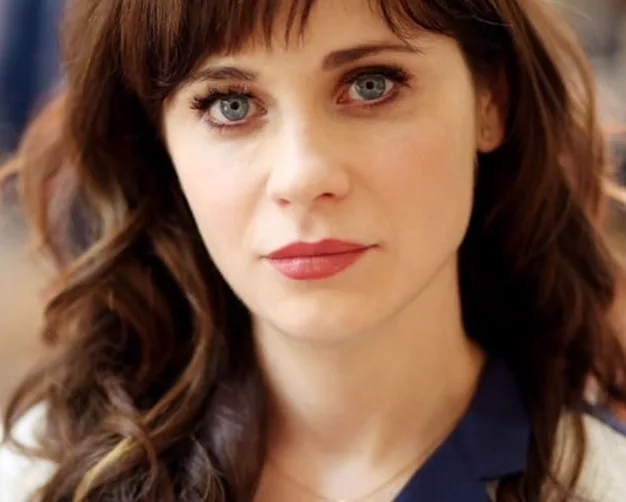
This one circulates widely and is worth being precise about. Deschanel referred to herself in a 2011 lifestyle blog post as an unmedicated adult with attention deficit disorder while writing about crafting. That is a passing self-description in an informal piece, not a stated clinical diagnosis, and she has not discussed being diagnosed or assessed. There is no public statement from her about autism at all.
We previously listed her ADHD as established on this page. It is not, and we have corrected it.
Why do so many of these searches ask about autism specifically?
Partly because autism has become the most searched developmental condition, so it gets attached speculatively to any public figure who seems different in some way. Traits that read as unusual in an interview, such as intense focus, blunt speech, or discomfort with small talk, are not a diagnosis, and no one can be diagnosed from a distance.
Why the Distinction Is Worth Keeping
It would be easy to treat this as pedantry. It is not, for two reasons.
The first is basic accuracy about living people. A diagnosis is medical information, and repeating an unconfirmed one at scale is not made acceptable by good intentions.
The second is more practical. The value of a public disclosure comes from it being real. When Radcliffe talks about shoelaces, a nine-year-old with dyspraxia hears something true from someone who lived it. That is worth a great deal, and it gets diluted every time a made-up entry is added to a list for the sake of a longer list.
Public figures also disclose on their own timeline, often decades in. Anthony Hopkins was well past seventy. Selma Blair had been symptomatic for years before she had an answer. Absence of a public statement is not evidence of anything either way.
What This Means If Your Child Has Just Been Diagnosed
Most people arrive at a page like this shortly after a diagnosis, looking for evidence that the diagnosis is not the end of the story. It is not, and the list above is real evidence of that.
The more useful pattern in these stories, though, is not the fame. It is that almost every one of them found something they were driven to do, and the skill-building happened inside that. Phelps had swimming. Radcliffe had acting, which he has said he went into partly because school was going badly. Wonder had a piano at a point where very little else was available to him.
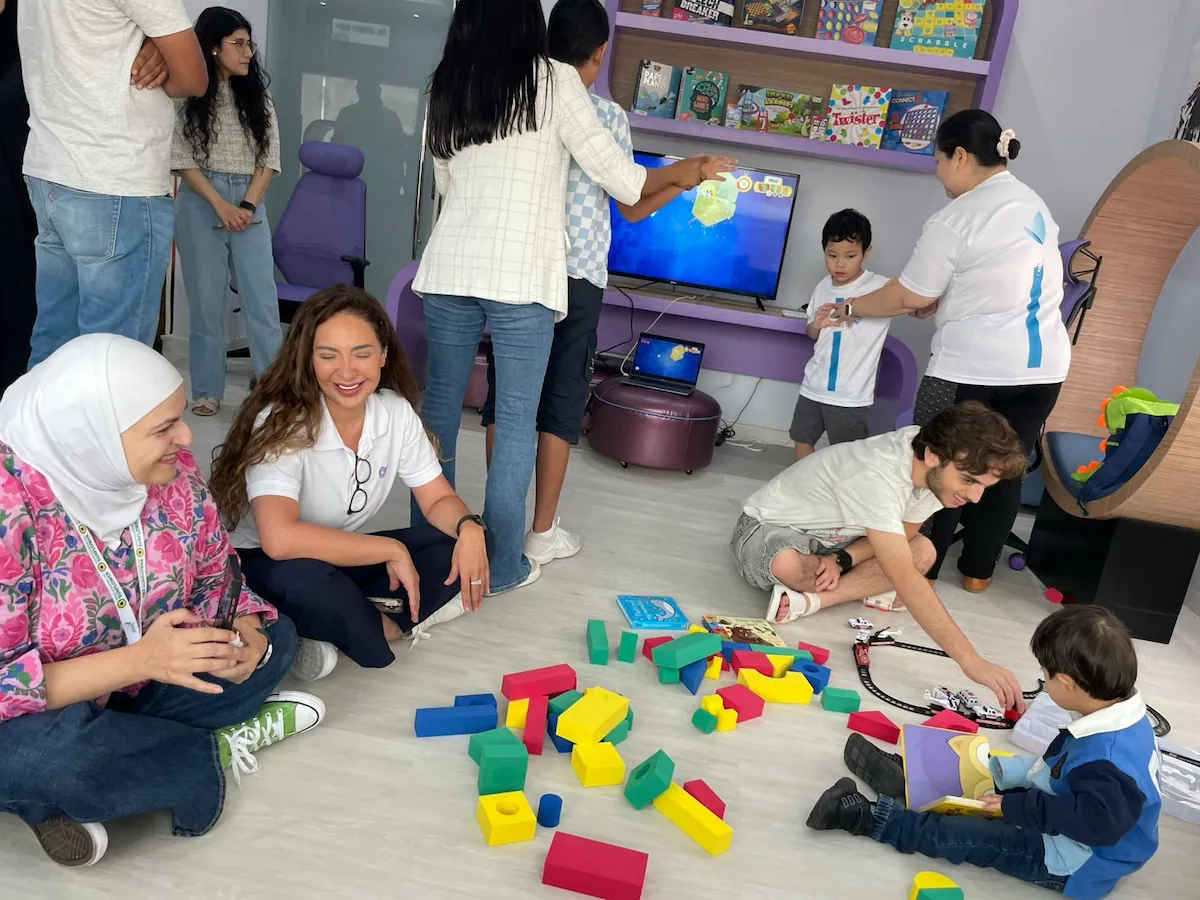
That is the transferable part. Support that runs through something a child already wants to do tends to hold, and support that feels like a correction tends not to. This is why therapeutic activities framed as play consistently outlast the same skill practice framed as work.
If you want to go deeper into a specific condition, we have longer lists for celebrities with autism, celebrities with cerebral palsy, and celebrities with learning disabilities.
Skill Practice That Does Not Feel Like Practice
Both put the skill work inside something a child would choose to do anyway, which is the pattern that tends to last.

A Note on Language
You will notice this page does not say anyone suffers from anything, or that they overcame a disability. Most disabled people find both framings inaccurate. Radcliffe still has dyspraxia. Matlin is still deaf. Neither of them beat anything, and neither wants an award for existing.
Identity-first language, such as autistic person, and person-first language, such as person with autism, are both in wide use, and preference differs between communities and between individuals. Where someone has stated a preference, the respectful thing is to use theirs.
See It In Action
Book a free demo and see how WonderTree works for your child, classroom, or therapy center.
Book a Free Demo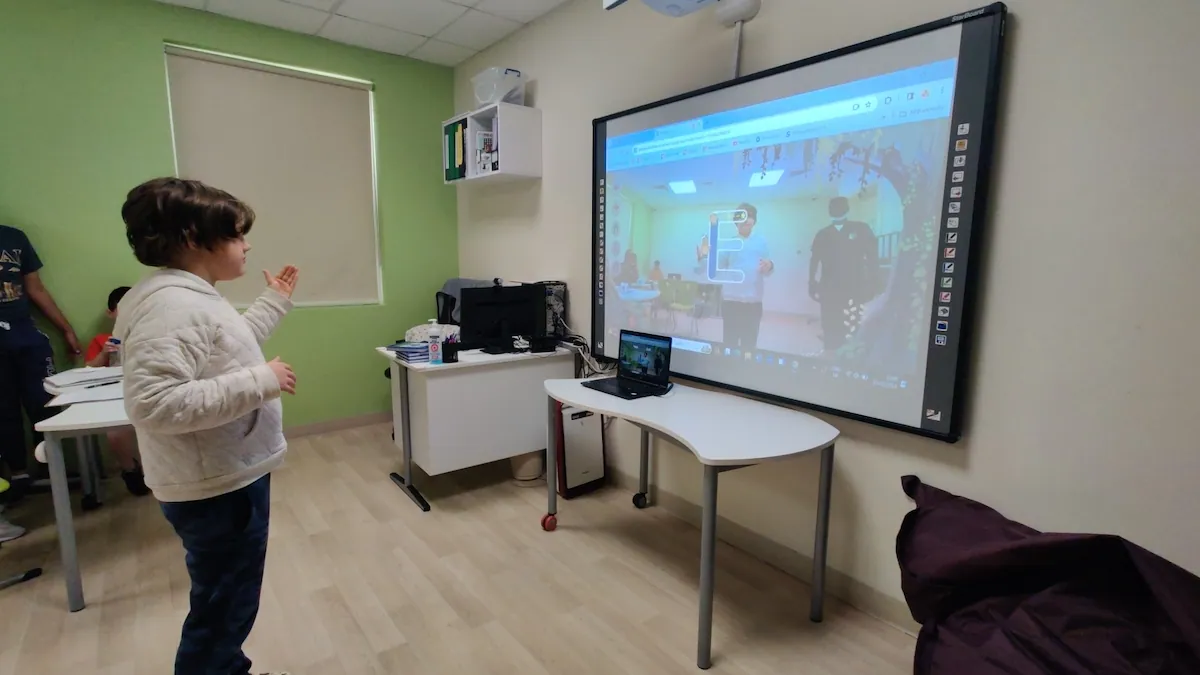
Frequently Asked Questions
What disability does Daniel Radcliffe have?
Daniel Radcliffe has dyspraxia, also known as developmental coordination disorder, which he confirmed publicly in 2008 at the age of 19. He has described it as affecting his handwriting and his ability to tie shoelaces, and his spokeswoman at the time described it as very mild. He has not said he is autistic or that he has ADHD.
Is Daniel Radcliffe autistic?
No. The condition he has spoken about is dyspraxia, which affects motor coordination. Dyspraxia and autism are both neurodevelopmental and can look similar in a school setting, which is probably why the two get confused, but they are distinct conditions.
Is Stevie Wonder autistic?
No. Stevie Wonder is blind as a result of retinopathy of prematurity, a condition affecting the retina in babies born very prematurely. There is no public statement from him about autism.
Does Zooey Deschanel have ADHD?
Not as an established fact. In a 2011 lifestyle blog post about crafting she described herself in passing as an unmedicated adult with attention deficit disorder, but she has not discussed being diagnosed or assessed, and there is no public statement from her about autism. This page previously listed her ADHD as confirmed, which was not accurate, and it has been corrected.
Which celebrities have publicly disclosed a disability?
Confirmed public disclosures include Daniel Radcliffe on dyspraxia, Stevie Wonder on blindness, Keira Knightley and Tom Cruise on dyslexia, Michael Phelps on ADHD, Anthony Hopkins on autism, Billie Eilish on Tourette syndrome, Michael J. Fox on Parkinson's disease, Selma Blair on multiple sclerosis, and Marlee Matlin on deafness.
Why are so many celebrity disability claims unverified?
Because a claim only has to appear on a few sites before it starts being copied as established. Autism in particular gets attributed speculatively to public figures who seem unusual in interviews, but traits such as intense focus or blunt speech are not a diagnosis, and nobody can be diagnosed at a distance.
How do I talk to my child about this?
The most useful part of these stories is usually not the fame but the pattern underneath it. Nearly all of these people found something they were driven to do, and their skill-building happened inside it. Support that runs through something a child already wants to do tends to last, while support that feels like a correction tends not to.
Was this article helpful?
Written by

Last medically reviewed on September 9, 2026
How we reviewed this article:
- (2008). 'Harry Potter' Star Daniel Radcliffe Reveals He Suffers From Neurological Condition Fox News. https://www.foxnews.com/story/harry-potter-star-daniel-radcliffe-reveals-he-suffers-from-neurological-condition
- (2008). Dyspraxia Explains Harry Potter's Klutziness ABC News. https://abcnews.com/Health/story?id=5605093&page=1
- (2024). Retinopathy of Prematurity National Institutes of Health. https://www.nei.nih.gov/learn-about-eye-health/eye-conditions-and-diseases/retinopathy-prematurity
September 9, 2026
Corrected an unsupported ADHD claim about Zooey Deschanel and restructured around confirmed public disclosures, with direct answers to the diagnosis questions readers search.
March 15, 2021