Six is a hinge year. Most children arrive at it still sounding words out letter by letter and leave it reading simple sentences without visible effort. The same shift happens with numbers, and with the ability to sit with something difficult for more than a minute.
That makes game choice unusually consequential at this age. A game pitched for a four-year-old will bore them within a week, and one pitched for an eight-year-old will produce the specific kind of frustration that makes a child decide they are bad at reading.
Build Skills Through Play
AR games designed with therapists — for children with ADHD, ASD, DCD, and more. Just a laptop camera. No downloads.
Try Free for 14 DaysWhat Changes at Six
Four shifts matter for choosing games.
Decoding becomes automatic, unevenly. This is the year most children stop consciously sounding out common words. The transition is bumpy, and a child can read a word fluently on one page and get stuck on it two pages later. That is normal and not a sign of a problem.
Numbers stop being counted. A six-year-old is moving from counting on fingers toward recalling that four plus three is seven. The games that help are the ones that make that recall useful, not the ones that drill it.
Rules become interesting. Five-year-olds tend to bend rules mid-game to suit themselves. Six-year-olds start caring about rules intensely, including when others break them. This is what makes real board games and structured games viable for the first time.
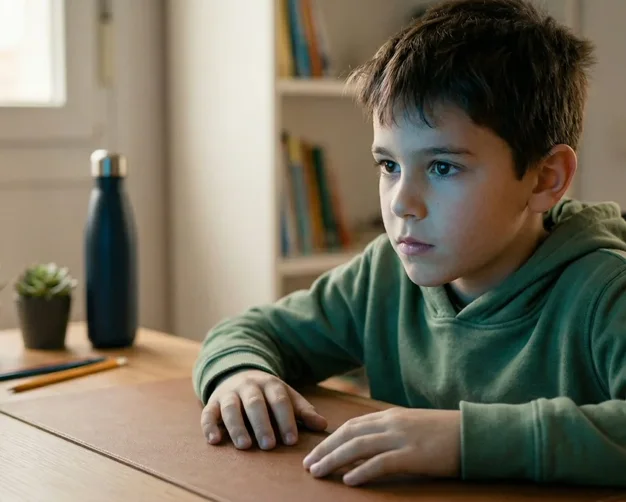
Attention stretches, conditionally. A six-year-old can concentrate for a good stretch on something they have chosen, and for a very short one on something they have not. The difference is larger at this age than at almost any other.
What to Actually Focus On at Six
Parents often ask what they should be teaching a six-year-old. The honest answer is that the school is handling the curriculum, and the useful things to add at home are narrower than most lists suggest.
- Reading fluency, not reading level. Rereading easy books builds speed and confidence more effectively than pushing to harder ones. Fluency is what makes reading enjoyable, and enjoyment is what produces volume.
- Number sense over arithmetic. Understanding that eight is two away from ten matters more than memorizing sums. It is what makes later math make sense rather than feel arbitrary.
- Persistence with difficulty. The habit of staying with something hard for another two minutes is more predictive of how school goes than any specific skill.
- Losing gracefully. Six is when competitive games arrive properly, and handling losing is a skill that gets practiced or does not.
Reading and Word Games
- Phonics games with blending. At six the useful work is blending sounds into whole words, not naming letters, which most children already have.
- Sight word games. Common words that do not follow phonics rules, such as said, come, and one, have to be recognized on sight. Matching pairs and snap-style games suit this well.
- Rhyming and word families. Cat, hat, sat, mat. This builds the pattern recognition that makes decoding faster.
- Silly sentence building. Word cards assembled into sentences, the funnier the better. Grammar gets absorbed without being taught.
- I spy with sounds. I spy something beginning with a sh sound. Requires nothing and works anywhere.
Number and Problem-Solving Games
- Dice games. Two dice and any game requiring the total. Repeated addition with a reason behind it, which is what makes it stick.
- Card games. Go Fish for matching, War for comparing quantities, and simple rummy variants for grouping. Ordinary playing cards are among the best math resources available.
- Route and logic puzzles. Mazes, simple sudoku with pictures instead of numbers, and pattern completion. These build the planning ahead that six-year-olds are just becoming capable of.
- Building challenges with constraints. Build a bridge that holds a book, using only these materials. Constraints are what convert building into problem-solving.
- Board games with real decisions. Anything where a choice matters, rather than pure luck. This is where six-year-olds first practice thinking a move ahead.
Attention and Memory Games
- Memory pairs. Start with twelve cards and add more. Visibly trackable progress, which children this age find motivating.
- Simon-style sequences. Repeating a growing sequence of sounds or movements builds working memory directly.
- Spot the difference. Sustained visual attention, and it scales in difficulty easily.
- Freeze and stop-start games. Musical statues and red light green light are inhibition practice, which is the part of attention that most affects classroom behavior.
Movement Games, and Why They Still Matter
Six is often when structured seat-based learning increases and movement drops. That is backwards for how attention works at this age. Physical activity supports the executive function that sitting still requires, so movement is not a break from learning so much as a precondition for it.
- Obstacle courses with instructions. Adding a two-step or three-step instruction turns a physical activity into working memory practice.
- Ball games with a rule layer. Catch, but say a word beginning with the same sound before you throw.
- Hopscotch variants. Numbers, letters, or sums chalked into the squares.
- Dance and mirror games. Copying a sequence of movements builds motor planning and sustained attention at once.
Screen-based games can do this too, provided the child is moving rather than tapping. Games that read whole-body movement through a camera hold attention the way a screen does while doing the physical work a six-year-old needs, which is a reasonable compromise on days when going outside is not happening.
Reading and Number Games That Use the Whole Body
Both read movement through the laptop camera, so a six-year-old practises letters and numbers while moving rather than sitting still.


Screen Time at Six
The AAP does not set an hour limit for children over five. Its guidance is to place consistent limits on the time and the type of media, and to ensure media does not displace sleep, physical activity, or family time.
That is more useful than a number, because it puts the question where it belongs. A quiet hour on a well-made reading game after a day of running around is different from the same hour replacing outdoor play, and no hour count distinguishes them.
Two practical filters. Ask whether the game would still be worth playing if the educational element were removed, because if not, the child will feel the vegetables. And watch what happens when it ends, since a game that consistently produces a meltdown at switch-off is doing something to your child's regulation regardless of what it teaches.
Using Games Without Making Them Feel Like Homework
The fastest way to ruin a good learning game is to attach it to performance. A few things help.
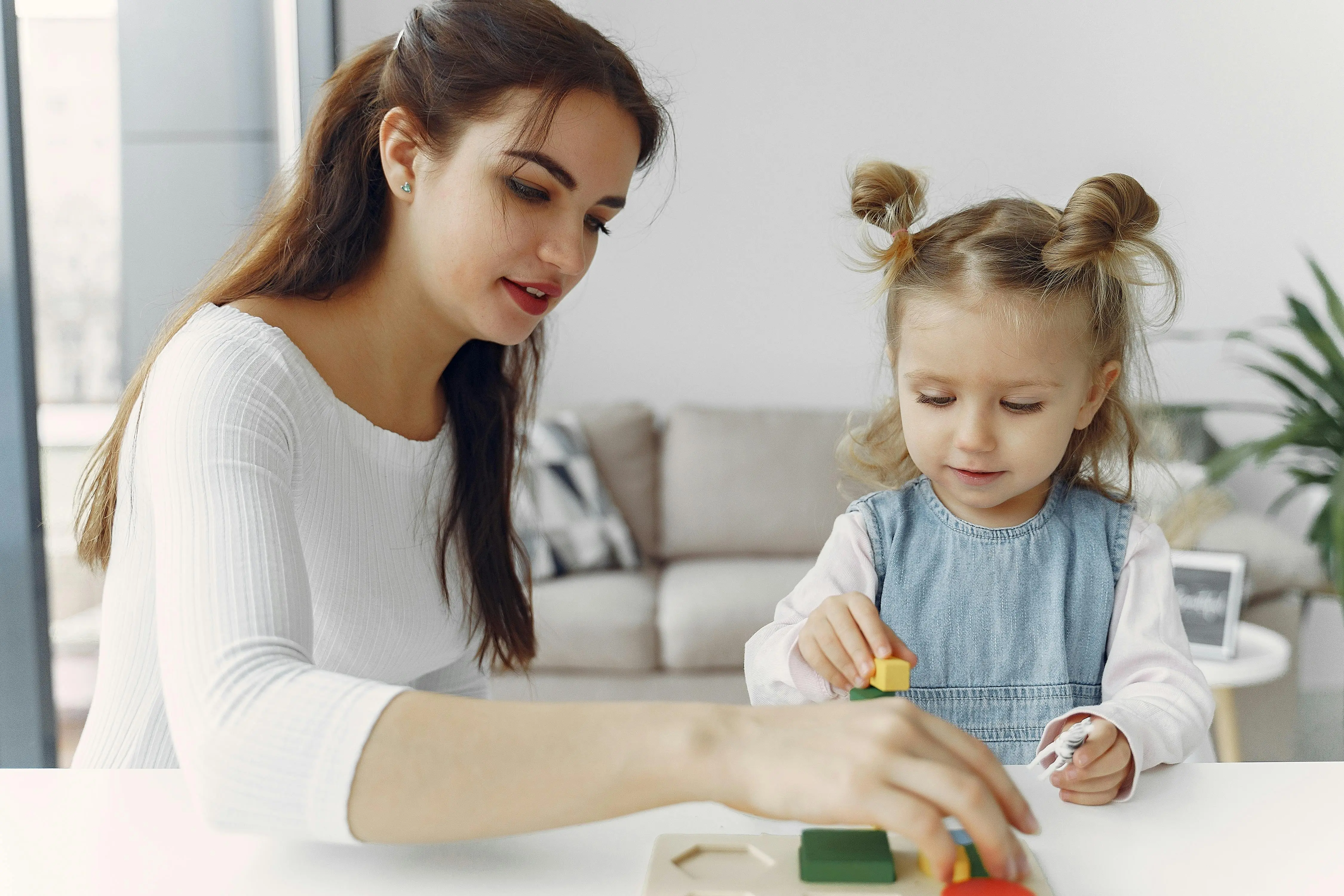
Play alongside your child rather than supervising. Six-year-olds are acutely aware of being tested, and a parent watching for correct answers changes the activity into an assessment.
Let them win sometimes and lose sometimes. Both are practice, and a child who only ever wins learns nothing about persisting.
Stop while it is still fun. Ending a session with a child wanting more is what brings them back tomorrow, and consistency over weeks matters more than length on any given day.
Do not narrate the learning. Saying see, you just did addition converts a game into a lesson. The child got the benefit either way.
See It In Action
Book a free demo and see how WonderTree works for your child, classroom, or therapy center.
Book a Free Demo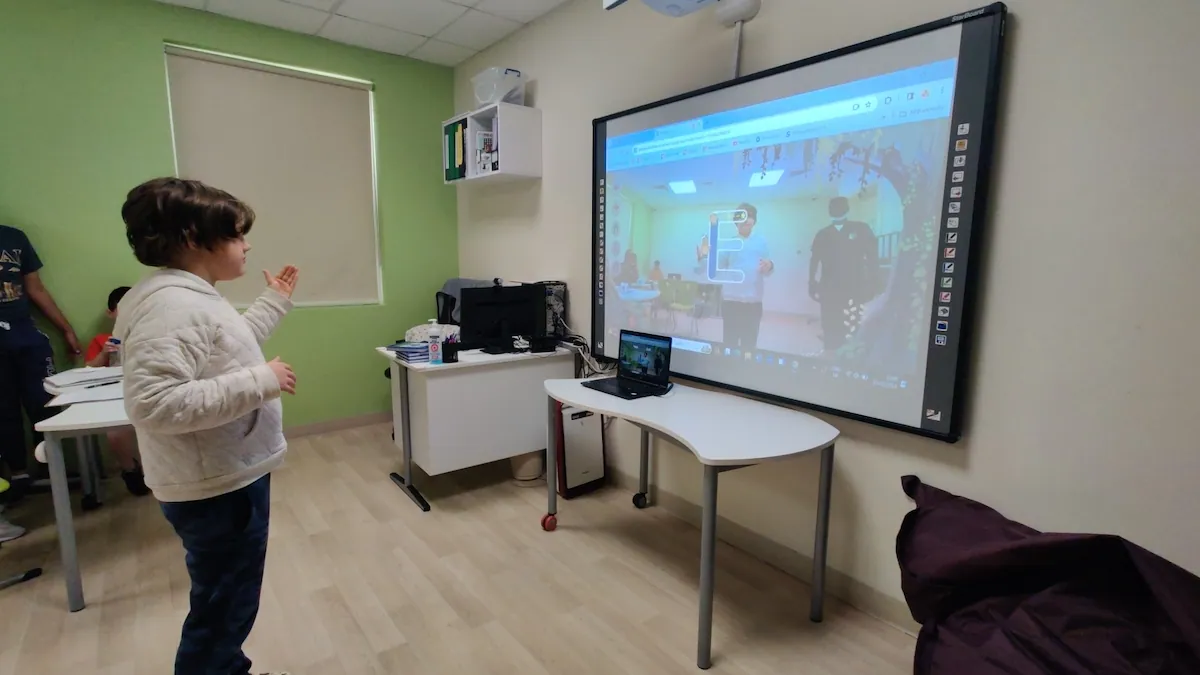
Frequently Asked Questions
What are the best educational games for 6 year olds?
The most useful ones at six are phonics games that focus on blending sounds into words, sight word matching games, dice and card games for number sense, logic puzzles and building challenges with constraints, memory pairs, and movement games that layer an instruction on top of physical activity. Ordinary playing cards and two dice cover more ground than most purpose-built products.
What should I be teaching my 6 year old at home?
Less than most lists suggest, since school is handling the curriculum. The four things worth adding at home are reading fluency, built by rereading easy books rather than pushing to harder ones, number sense such as understanding that eight is two away from ten, persistence with something difficult, and learning to lose gracefully now that competitive games have arrived.
What are good problem-solving games for 6 year olds?
Building challenges with a constraint, such as build a bridge that holds a book using only these materials, work particularly well because the constraint is what turns building into problem-solving. Mazes, picture-based sudoku, pattern completion, and board games where a choice actually matters rather than pure luck all build the planning ahead that six-year-olds are just becoming capable of.
How much screen time should a 6 year old have?
The AAP does not set an hour limit above age five. Its guidance is consistent limits on time and type of media, and making sure media does not displace sleep, physical activity, or family time. Two practical filters help: whether the game would still be worth playing without the educational element, and what happens when it ends, since a game that consistently causes a meltdown at switch-off is affecting regulation regardless of what it teaches.
Are there different games for 6 year old boys and girls?
Developmentally, no. What a six-year-old needs from a game is the same regardless of sex, and the useful variable is the individual child's interests. Choosing by interest, whether that is dinosaurs, space, animals, or football, matters. Choosing by whether a game is marketed to boys or girls mostly narrows what a child gets offered.
My 6 year old gets frustrated and gives up. What helps?
Usually the difficulty is set too high. Aim for a level where your child succeeds roughly four times out of five, which feels almost too easy to an adult but is where most children stay engaged. Playing alongside rather than supervising also helps, because six-year-olds are acutely aware of being watched for correct answers, and that turns a game into a test.
Do educational games actually help with school?
They help most where the game gives a skill a genuine purpose, such as dice games making addition useful rather than abstract. They help least when they are worksheets with animation attached. The clearest test is whether the game would still be fun with the educational content stripped out, because if not, a child will treat it as homework and the benefit disappears.
Was this article helpful?
Written by

Last medically reviewed on September 9, 2026
How we reviewed this article:
- (2016). Media Use in School-Aged Children and Adolescents Pediatrics, 138(5), e20162592. https://doi.org/10.1542/peds.2016-2592
- (2022). Can guidance during play enhance children's learning and development in educational contexts? A systematic review and meta-analysis Child Development, 93(4), 1162-1180. https://doi.org/10.1111/cdev.13730
September 9, 2026
Rewritten with games grouped by skill, a section on what changes developmentally at six, and the four product sections consolidated into one.
March 4, 2026