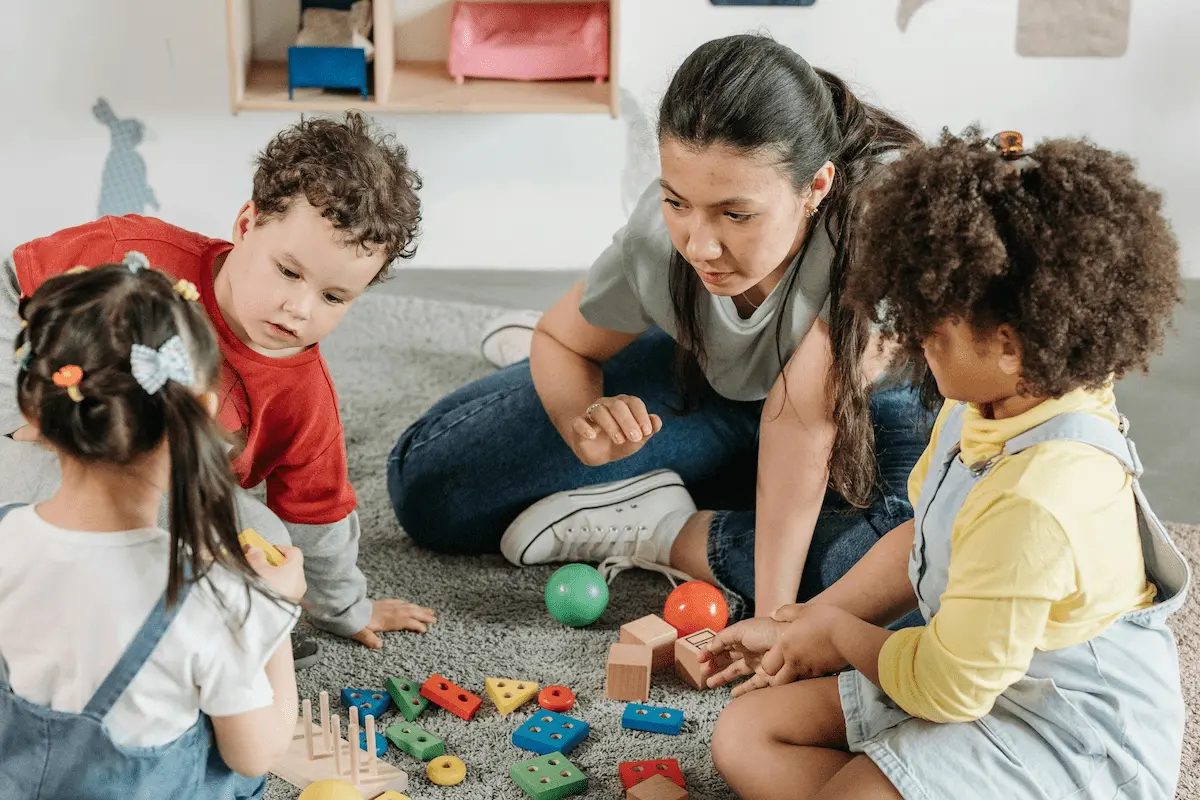
Emotional development is the part of early childhood that adults notice most and understand least. A three-year-old on the floor of a supermarket is unmistakable. What is actually developing underneath it is much less obvious.
This page covers what emotional development is, its component parts, what it looks like at each age from two to five, what shapes it, and what helps.
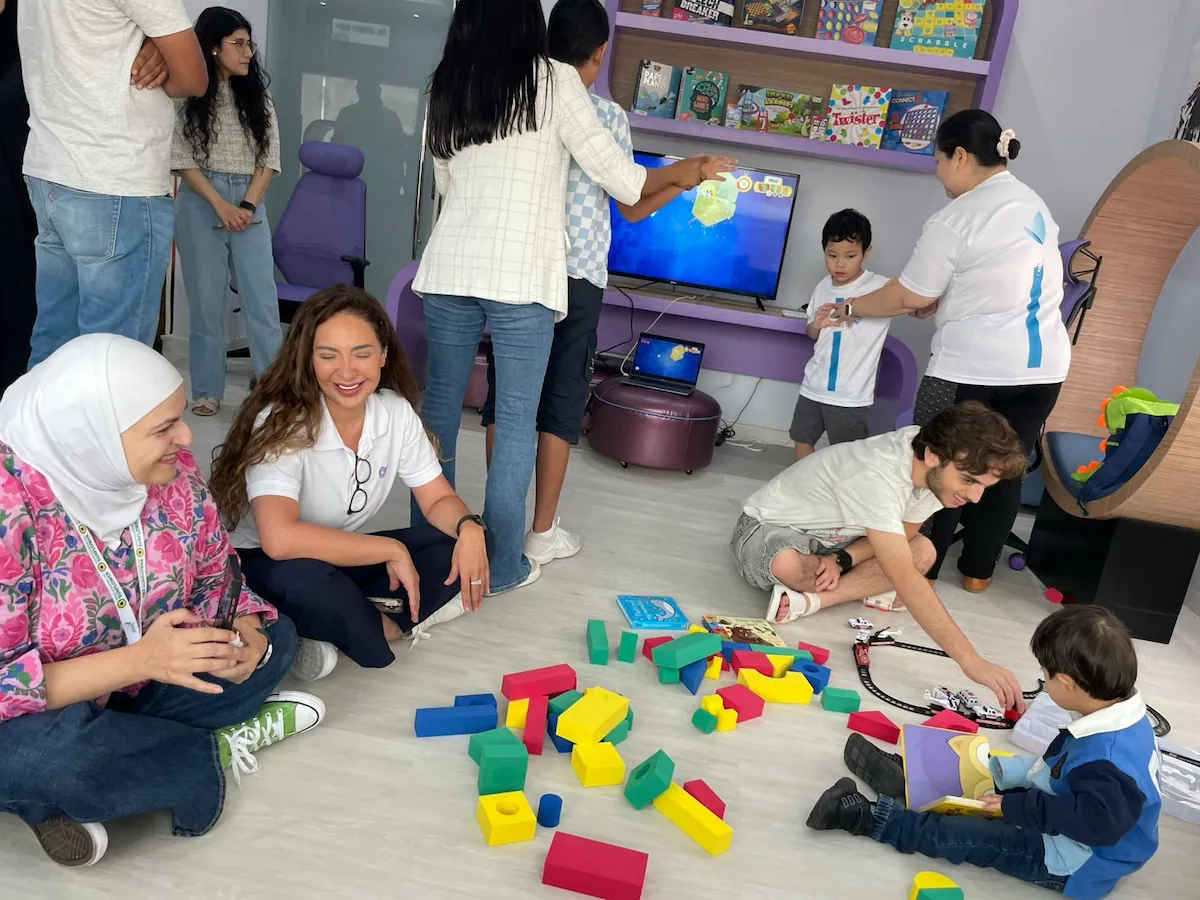
Build Skills Through Play
AR games designed with therapists — for children with ADHD, ASD, DCD, and more. Just a laptop camera. No downloads.
Try Free for 14 DaysWhat Emotional Development Means
Emotional development is the process by which a child learns to recognize, express, understand, and manage emotions, both their own and other people's.
It is often grouped with social development, and the two are closely linked, but they are not identical. Social development is about relating to people: sharing, cooperating, making friends. Emotional development is about the internal machinery underneath that, which is why a child can be sociable and still struggle badly with feelings.
Two things are worth understanding at the outset.
It is learned, not automatic. Children are born able to feel emotions but not able to name, interpret, or manage them. Those are skills, acquired mostly through interaction with adults.
It develops later than most parents expect. The brain systems supporting emotional regulation continue maturing well into adolescence. A five-year-old who melts down when a plan changes is not failing at something they should have mastered. They are partway through a long process.
The Five Parts of Emotional Development
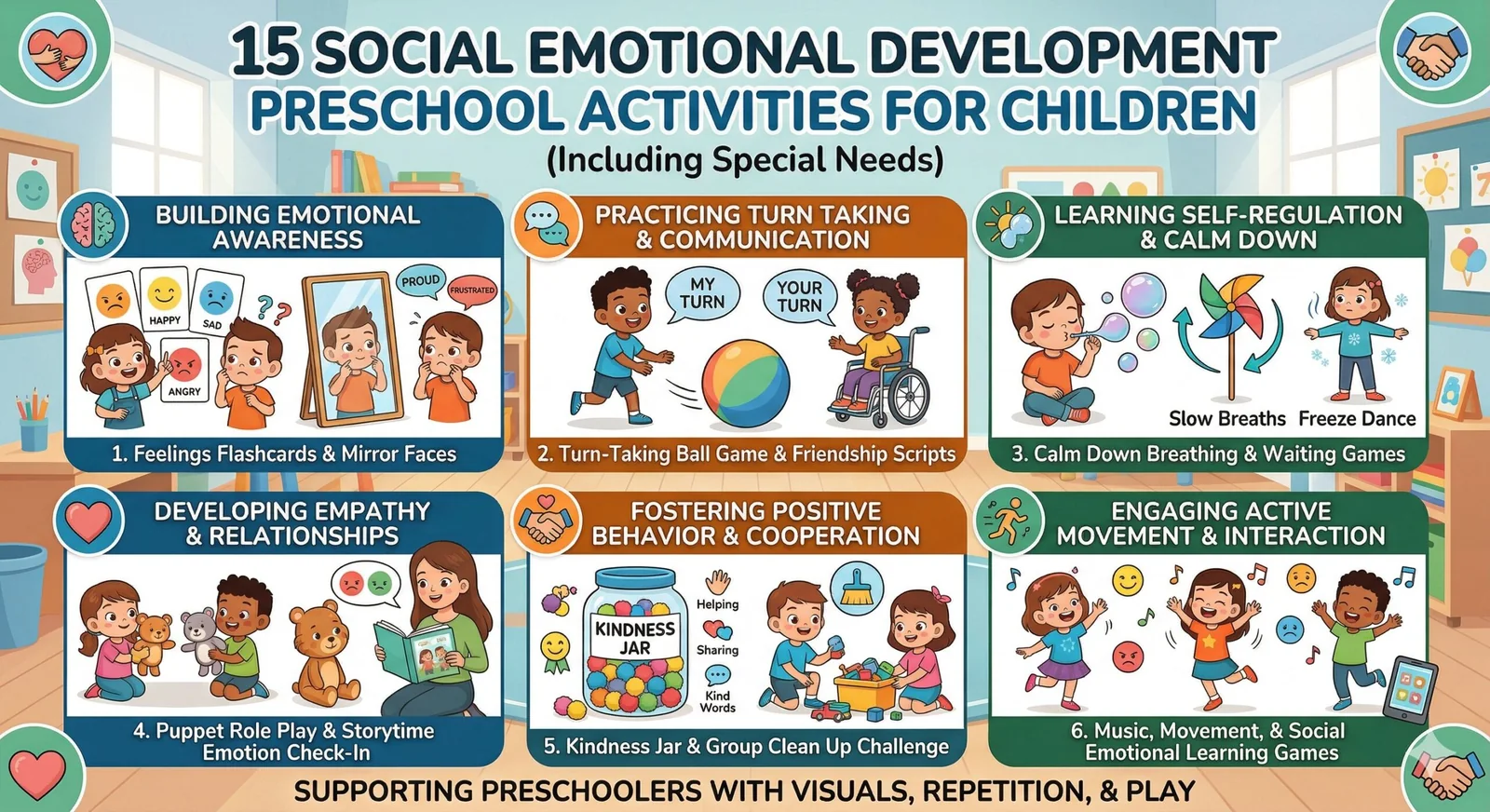
Emotional development is usually broken into five strands. They develop in roughly this order, and each depends on the ones before it.
1. Emotional awareness
Noticing that you are feeling something, and eventually that it has a name. A two-year-old feels frustration as a whole-body event with no label attached. Being able to think "I am angry" is a genuine milestone, and it is the foundation for everything else.
2. Emotional expression
Communicating a feeling in a way others can read. Early on this is crying, shouting, and hitting. Over time it becomes words, facial expression, and eventually describing a feeling after the fact rather than only during it.
3. Emotional understanding
Reading emotions in other people and grasping what causes them. This begins with recognizing faces and grows into understanding that someone can be sad about something that would not upset you.
4. Empathy
Responding to another person's emotion with concern. Toddlers show early forms of this, often by offering their own comfort object to a crying adult, which is empathy delivered through a two-year-old's understanding of what helps.
5. Emotional regulation
Managing the intensity and duration of a feeling so it does not overwhelm you. This is the last to develop and the one that takes longest, and most of what looks like behavior trouble in early childhood is regulation still under construction.
Examples of Emotional Development
Concrete examples make the abstraction clearer. All of these are emotional development in progress.
- A toddler brings you their blanket when you look upset
- A child says "I'm sad" instead of hitting their sibling
- A four-year-old checks your face before touching something they are unsure about
- A child waits for their turn while visibly finding it difficult
- A five-year-old comforts a friend who has fallen over
- A child recovers from a disappointment in three minutes rather than thirty
- A preschooler says "I don't like it when you do that" rather than screaming
- A child behaves differently at a library than at a playground
- A four-year-old plays a pretend scenario where a character is scared, then makes it come out well
That last one matters more than it looks. Pretend play is one of the main ways children work through feelings they cannot yet discuss directly.
Milestones by Age
The CDC lists these as things 75% or more of children can do by the given age. They are a rough guide, not a test.
By age 2
- Notices when others are hurt or upset, such as pausing or looking sad when someone cries
- Looks at your face to see how to react in a new situation
The second one is called social referencing, and it is a significant development. The child is using you as an emotional reference point for a situation they cannot interpret themselves.
By age 3
- Calms down within about ten minutes after you leave, such as at preschool drop-off
- Notices other children and joins them in play
Note how modest the first one is. Ten minutes of distress at drop-off is within the normal range at three.
By age 4
- Pretends to be something else during play, such as a teacher, a superhero, or a dog
- Asks to go and play with other children if none are around
- Comforts others who are hurt or sad, such as hugging a crying friend
- Avoids danger, such as not jumping from tall heights at the playground
- Likes to be a helper
- Changes behavior based on where they are, such as a library versus a playground
Four is a large jump. Empathy becomes active rather than incidental, and children start adjusting their behavior to context.
By age 5
- Follows rules or takes turns when playing games with other children
- Sings, dances, or acts for you
- Does simple chores at home, such as matching socks or clearing the table
Factors That Influence Emotional Development
Responsive caregiving. The single largest factor. A child whose signals are noticed and responded to consistently learns that emotions are manageable and that communicating them works. This does not require getting it right every time, and repair after a bad moment is itself valuable.
How adults handle their own emotions. Children learn regulation largely by watching. An adult who names their own frustration and manages it visibly is teaching more than any conversation about feelings would.
Language. Children with more words for feelings regulate better, because naming an emotion is part of managing it. Families that talk about feelings routinely give their children more to work with.
Temperament. Children differ from birth in how intensely they react and how quickly they settle. A child with strong reactions is not being badly parented, and comparison between siblings is usually unhelpful.
Sleep, hunger, and routine. Regulation is expensive, and a tired or hungry child has less available. A large share of difficult behavior in early childhood is straightforwardly explained by this.
Stress and stability. Chronic stress in the home affects the developing systems that support regulation. Stable, predictable relationships are the main protective factor.
Opportunity to practice. Regulation develops through experiencing manageable frustration, not through avoiding it. Children whose difficulties are always removed in advance get less practice than those allowed to struggle a little with support nearby.
Why It Matters
Emotional development predicts a striking amount, including things that appear unrelated.
It underpins school readiness. A child who can manage frustration, wait, and recover from disappointment is available to learn. A child who cannot is spending their capacity elsewhere, regardless of how bright they are.
It shapes friendships, because regulation is what makes a child possible to play with. And it affects later mental health, since the strategies learned early become the default ones later.
It is also the foundation that academic learning sits on rather than a nice addition to it, which is why early years settings that appear to spend a lot of time on feelings are not neglecting the curriculum.
How to Support Emotional Development
Name feelings, including your own. "You are really disappointed we cannot go" gives a child the vocabulary and shows that the feeling is recognizable and survivable. "I am getting frustrated, so I am going to take a minute" does more still.
Accept the feeling, set limits on the behavior. These are separate. Being furious is allowed. Hitting is not. Collapsing the two teaches children that some feelings are forbidden, which pushes them underground rather than resolving them.
Wait before teaching. Nothing gets learned mid-meltdown, because the part of the brain you are addressing is offline. Comfort first, talk afterwards.
Do not rush the recovery. Children who are always distracted out of a feeling do not practice coming down from one. Sitting with them while it passes is doing something, even when it does not feel like it.
Read stories about feelings. Fiction lets a child examine an emotion at a safe distance, and the conversations that come from a book are often easier than direct ones.
Let pretend play run. Children process difficult experiences through play, and a scenario that seems odd or repetitive is often working on something.
Protect sleep and routine. The least sophisticated intervention on this list and frequently the most effective.
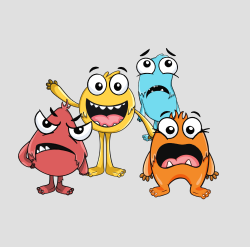
Games that involve recognizing and naming emotions can help here too, particularly for children who find the topic easier at a slight distance from their own feelings. Practising on a face on a screen is lower stakes than practicing in the middle of an argument with a sibling.
Practising Emotions at a Safe Distance
Recognizing and naming feelings is easier away from the moment itself. Both games give that practice without the stakes of a real argument.

When to Raise a Concern
Wide variation is normal, and most children who seem behind at three look unremarkable at five. Some things are worth mentioning to your doctor or preschool.
- No interest in other children by around four, as distinct from being shy
- No pretend play by four
- Not noticing or responding at all when someone is upset
- Meltdowns that are extremely frequent, very long, or involve serious aggression well beyond what peers show
- Losing emotional or social skills that were previously established
- Extreme flatness, or an absence of emotional response, over a sustained period
- Distress that is affecting sleep, eating, or the family's daily functioning
The last one is the practical threshold. If it is dominating family life, it is worth a conversation, whatever the eventual explanation.
See It In Action
Book a free demo and see how WonderTree works for your child, classroom, or therapy center.
Book a Free Demo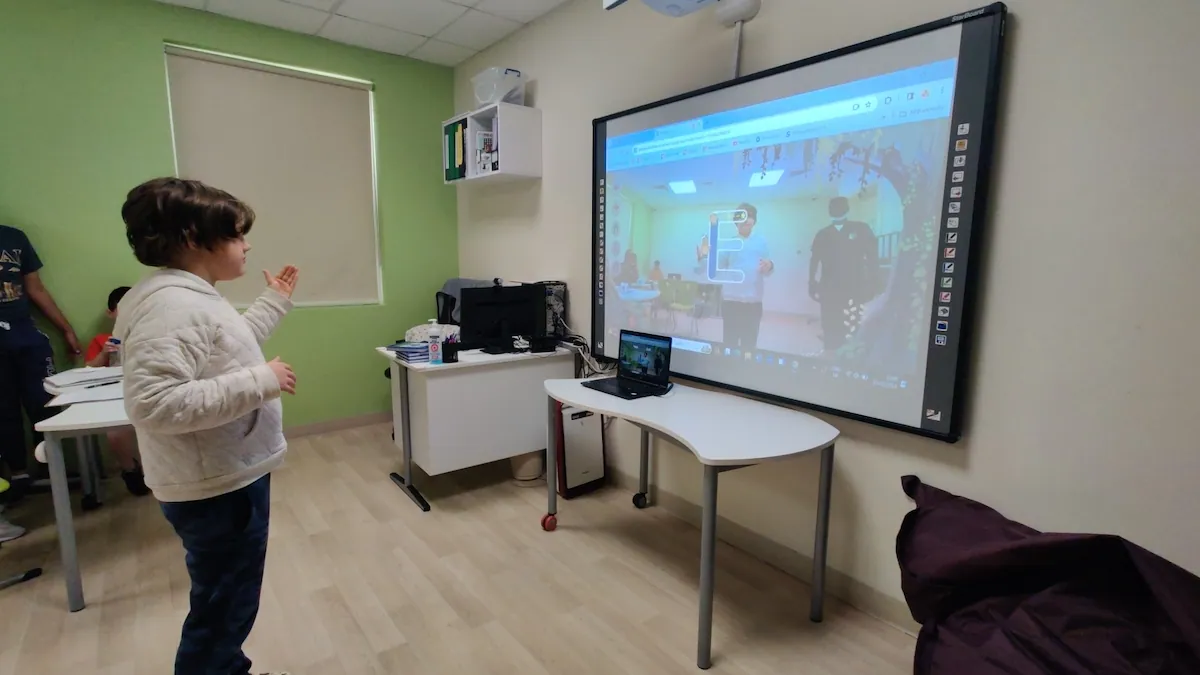
Frequently Asked Questions
What is emotional development in early childhood?
Emotional development is the process by which a child learns to recognize, express, understand, and manage emotions, both their own and other people's. It is closely linked to social development but distinct from it: social development is about relating to people, while emotional development is the internal machinery underneath that. It is learned rather than automatic, and it develops over a much longer period than most parents expect.
What are the five types of emotional development?
Emotional awareness, meaning noticing and eventually naming what you feel. Emotional expression, meaning communicating it in a way others can read. Emotional understanding, meaning recognizing emotions in others and what causes them. Empathy, meaning responding to someone else's emotion with concern. And emotional regulation, meaning managing the intensity and duration of a feeling. They develop roughly in that order, and regulation takes longest.
What are some examples of emotional development?
A toddler bringing you their blanket when you look upset, a child saying "I'm sad" instead of hitting, a four-year-old checking your face before touching something unfamiliar, waiting for a turn while visibly finding it hard, comforting a friend who has fallen, recovering from disappointment in three minutes rather than thirty, and behaving differently in a library than a playground. Pretend play where a character is scared and then made safe is also emotional development at work.
What is the emotional development of a 2-year-old?
By two, most children notice when others are hurt or upset, such as pausing or looking sad when someone cries, and look at your face to work out how to react in an unfamiliar situation. That second one is called social referencing and is a significant step, because the child is using you as an emotional reference point for something they cannot interpret alone.
What are the emotional milestones for a 3-year-old?
By three, most children calm down within about ten minutes after you leave them somewhere such as preschool, and notice other children and join them in play. The first is worth reading carefully, because ten minutes of distress at drop-off is well within the normal range at this age.
What factors affect emotional development?
Responsive caregiving is the largest single factor. Beyond that: how the adults around a child handle their own emotions, how much feelings vocabulary a child has, the child's inborn temperament, sleep and routine, the level of stress and stability at home, and how much opportunity a child gets to experience manageable frustration rather than having every difficulty removed in advance.
When should I be concerned about my child's emotional development?
Worth raising with your doctor or preschool: no interest in other children by around four as distinct from shyness, no pretend play by four, not noticing at all when someone is upset, meltdowns far beyond what peers show in frequency or length, losing skills that were previously established, sustained emotional flatness, or distress that is affecting sleep, eating, or family functioning. That last one is the practical threshold.
Was this article helpful?
Written by

Last medically reviewed on September 9, 2026
How we reviewed this article:
- (2025). Developmental Milestones, Learn the Signs. Act Early. CDC. https://www.cdc.gov/act-early/milestones/index.html
- (2006). Social-Emotional Competence as Support for School Readiness: What Is It and How Do We Assess It? Early Education and Development, 17(1), 57-89. https://doi.org/10.1207/s15566935eed1701_4
- (2018). The Power of Play: A Pediatric Role in Enhancing Development in Young Children Pediatrics, 142(3), e20182058. https://doi.org/10.1542/peds.2018-2058
September 9, 2026
Expanded with the five strands of emotional development, concrete examples, CDC milestones from two to five, and guidance on when to raise a concern.
May 19, 2025