Every teacher and parent knows the routine: you ask "How was school?" and you get "Good." Conversation over. The fix is not better interrogation, it is better questions: open-ended prompts that give a five-year-old something concrete to imagine, choose, or explain. Research from NAEYC and Head Start consistently finds that open-ended questions do more for early language development than quiz-style ones, and any kindergarten teacher who runs a Morning Meeting will tell you the same thing for free.
Below are 150+ prompts organized by situation (circle time, dinner, therapy sessions, transitions), plus the routines that make them work with real, wiggly kindergarteners.
Our team's go-to opener is "if you were the teacher for a day, what rules would you make?" Most five-year-olds go straight to "no bedtime," "ice cream every day," or "everyone has to share," and those answers give an early glimpse of how they think about rules, fairness, and other people.
Questions That Work for 5 Year Olds
Use these when you want quick engagement — Morning Meeting, carpet time, brain breaks, or “line-up talk.”
- If you could have a pet dinosaur, what would you name it?
- What's the silliest rule you would make for the whole world?
- If your shoes could talk, what would they say today?
- What would be in your dream lunchbox?
- If you could be tiny like an ant for one day, where would you go?
- What would you build if you had 1,000 blocks?
- If you could only eat one fruit forever, which one?
- What's a sound you can make that makes you laugh?
- If your backpack had a secret power, what would it do?
- Would you rather jump like a frog or fly like a bird? Why?
- If you could paint the sky any color, what color would you pick?
- What's your “superhero job” at school (helper, leader, kindness captain)?
- What is something you did recently that made you feel proud?
- If you could invent a new holiday, what would we celebrate?
- What's the funniest animal and what makes it funny?
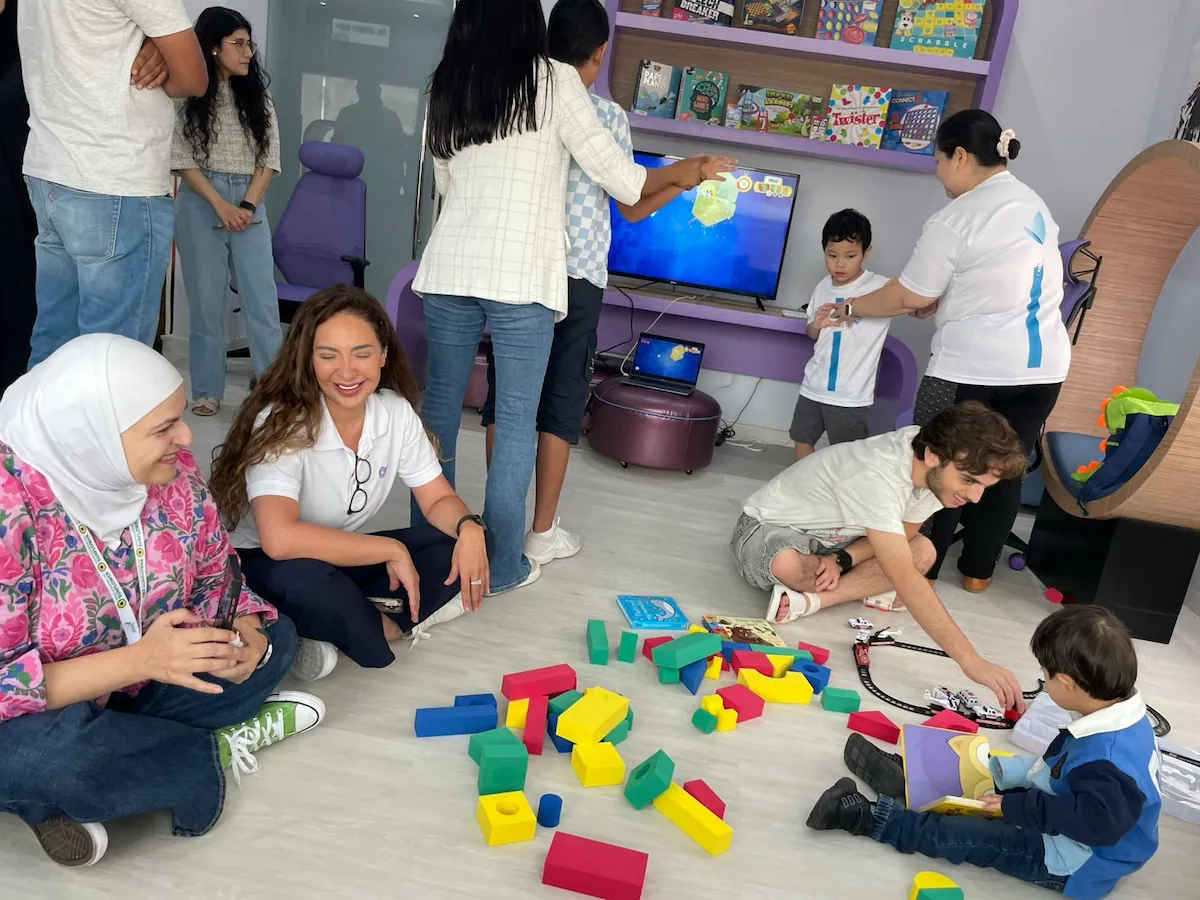
Build Skills Through Play
AR games designed with therapists — for children with ADHD, ASD, DCD, and more. Just a laptop camera. No downloads.
Play 2 Games FreeEasy Questions to Ask Kindergarteners
Perfect for shy kids, ELL learners or mornings when you need simple wins.
- What's your favorite color today?
- What's your favorite thing to do at recess?
- What made you smile yesterday?
- What's your favorite book character?
- What's your favorite classroom center?
- What's your favorite snack?
- Would you rather draw or build?
- Who do you like to sit next to?
- What's something you're good at?
- What's your favorite song to sing?
- Do you like quiet time or active time more?
- What's one thing you want to learn this week?
Easy follow-ups:
- “Show me with your hands, how big?”
- “What happened first?”
- “How did that feel?”
- “What would you do next time?”
- “Tell me more about that.”
These kinds of follow-ups help “thicken” conversations — more turns, more thinking, more language.
Creative Ways to Get Kindergarteners Talking
When kids can do something while they talk, they often share more.
1. Question of the Day (QOTD) + choice cards
Put two picture choices on the board (pizza vs tacos, ocean vs mountains). Kids point first, then explain.
2. Turn-and-talk with a sentence starter
Give one stem: “I chose ___ because ___.”
3. Draw-first sharing
Ask a question, give 60 seconds to draw, then share from the drawing.
4. Question jar / popsicle sticks
Add “silly,” “feelings,” “imagination,” and “kindness” categories.
5. Move & talk
Do a quick movement break, then ask: “What changed in your body — breathing, heartbeat, mood?”
Best Conversation Starters for Young Children
These are gold for Morning Meeting, circle time, and community-building. Responsive Classroom describes Morning Meeting as a daily practice to build community and set a positive tone for learning.
Feelings & check-in
- What is your mood today — sunny, cloudy, rainy, or windy? Why?
- What's one thing that feels easy today?
- What's one thing that feels tricky today?
Imagination
- If you found a magic door in the classroom, where would it go?
- If you could make one classroom rule, what would it be?
Friendship & kindness
- What does a kind friend do?
- What's a way we can help someone today?
Confidence builders
- What is something you learned that you didn't know before?
- What is something you tried even when it was hard?
Activity Ideas for Building Communication Skills in Preschoolers
These work for Pre-K and K and build talk naturally.
1. Picture walk storytelling
Show a picture book page and ask: “What do you think is happening? What makes you think that?” NAEYC encourages prompts that ask children to share ideas and reasoning.
2. “First / Next / Last” retell
Use a simple classroom event: “First we… then we… last we…”
3. Mystery bag
Pull an object and ask: “Describe it without saying the name.”
4. Emotion charades
Act an emotion — partner guesses — then ask: “When do you feel that way?”
5. Build-and-explain
Kids build with blocks, then explain: “What is it? How does it work?”
Games That Build Talking and Listening
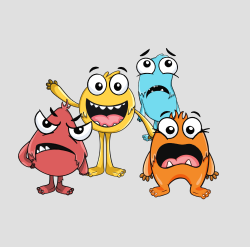
Two games that give a child something to talk about, and the vocabulary to do it with.

Dinner Table Questions
- What was the best part of your day?
- What was the hardest part of your day?
- What made you laugh today?
- If your day was a color, what color would it be?
- What is one kind thing you did today?
- What is one kind thing someone did for you?
- What would you want to do more of tomorrow?
- What's a new word you heard today?
- If today was a movie, what would it be called?
- Tell us one “tiny win” from today.
Questions About Their Parents (Prepare to Be Roasted)
Keep it warm and safe — avoid anything that pressures kids to share private info. These work well for “family stories” units.
- What is something your parent/caregiver is really good at?
- What is a food your family loves?
- What is a funny family saying or joke?
- What is something your family does on weekends?
- If you could plan a “family fun day,” what would you do?
- What is something you learned from your parent/caregiver?
- What is a bedtime routine at your house?
- What is something you want to teach your parent/caregiver?
Questions With Example Answers, So You Know What to Expect
This section helps when kids freeze because examples show what “a full answer” can sound like. You can read the sample answer, then say: “Now you try!”
- Q: If you had a superpower, what would it be? — A: “I would choose super speed so I could help people fast and still make it to recess.”
- Q: What is your favorite place in the whole world? — A: “My favorite place is the park because I feel free and I like the swings.”
- Q: What is something you are proud of? — A: “I'm proud that I learned to write my name without help.”
- Q: What would you do if you found a baby dragon? — A: “I'd make it a cozy bed, give it fruit, and teach it classroom rules.”
- Q: What is one thing you wish grown-ups understood about kids? — A: “That sometimes we need extra time to answer.”
Easy Trivia Kindergarteners Love
Keep trivia kindergarten-safe: animals, colors, simple science, familiar stories. Use it for transition time, brain breaks, or end-of-day fun.
- What planet do we live on? Answer: Earth
- How many legs does a spider have? Answer: 8
- What do bees make? Answer: Honey
- What animal says “moo”? Answer: Cow
- What is frozen water called? Answer: Ice
- How many days are in a week? Answer: 7
- Which is bigger: an elephant or a mouse? Answer: Elephant
- What shape has 3 sides? Answer: Triangle
- What do you call a baby cat? Answer: Kitten
- What color do you get when you mix red and yellow? Answer: Orange
Teacher move: After the answer, ask: “How do you know?” That turns trivia into language practice.
Questions for Therapy and Counseling Sessions
These are the prompts our own team leans on when a child needs low-pressure ways into a conversation. Pair them with movement or play where you can; for children who open up more easily mid-activity than face-to-face, structured games like emotional regulation activities give the conversation somewhere natural to happen.
Between game rounds we often ask "how did you know what to do there?" Children explain their reasoning far more naturally mid-play than they ever do in a formal assessment setting.
These prompts are useful for speech sessions, OT sessions, counseling check-ins, or any support setting where the goal is comfort + communication (not “right answers”). Head Start notes that questions can either stop or extend conversation — so in support settings, lean into questions that invite more turns.
Gentle check-in questions
- What's one thing that felt hard today?
- What's one thing that felt easier than yesterday?
- What do you want me to know about how you feel right now?
- Where do you feel that feeling in your body?
Choice-based prompts (reduces pressure)
- Would you rather talk first or play first?
- Would you like a silly question or a calm question?
“Digging deeper” follow-ups
- What happened right before that?
- What did you do next?
- What helped a little bit?
- What could help next time?
Strength-based questions
- What is something you've gotten better at?
- Who helps you feel safe?
- What is one brave thing you did this week?
Classroom and Transition Questions
These are classroom-ready and intentionally teacher-facing.
Transition questions (line-up, clean-up, hallway)
- What is one sound you heard today?
- What is one thing you noticed in the classroom?
- What is one choice you made that helped learning?
Learning reflection (without pressure)
- What did you try today?
- What did you practice today?
- What would you like to practice again?
Social growth
- Who helped someone today?
- What's one way we can make tomorrow kinder?
Quick academic tie-ins
- If your math problem was a story, what would happen in it?
- If today's letter could talk, what would it say?
Getting to Know a New Class
Use these in week 1, new student welcome, or anytime the class needs reconnection.
- What name do you like to be called?
- What is something you want your teacher to know about you?
- What makes you feel brave?
- What makes you feel calm?
- What's your favorite way to play?
- What's something you want to learn this year?
- What is a job you'd love to have in the classroom?
- What's something you're really good at (even if it's tiny)?
- What's your favorite thing to do with friends?
- If you could bring one imaginary thing to school, what would it be?
See It In Action
Book a free demo and see how WonderTree works for your child, classroom, or therapy center.
Book a Free Demo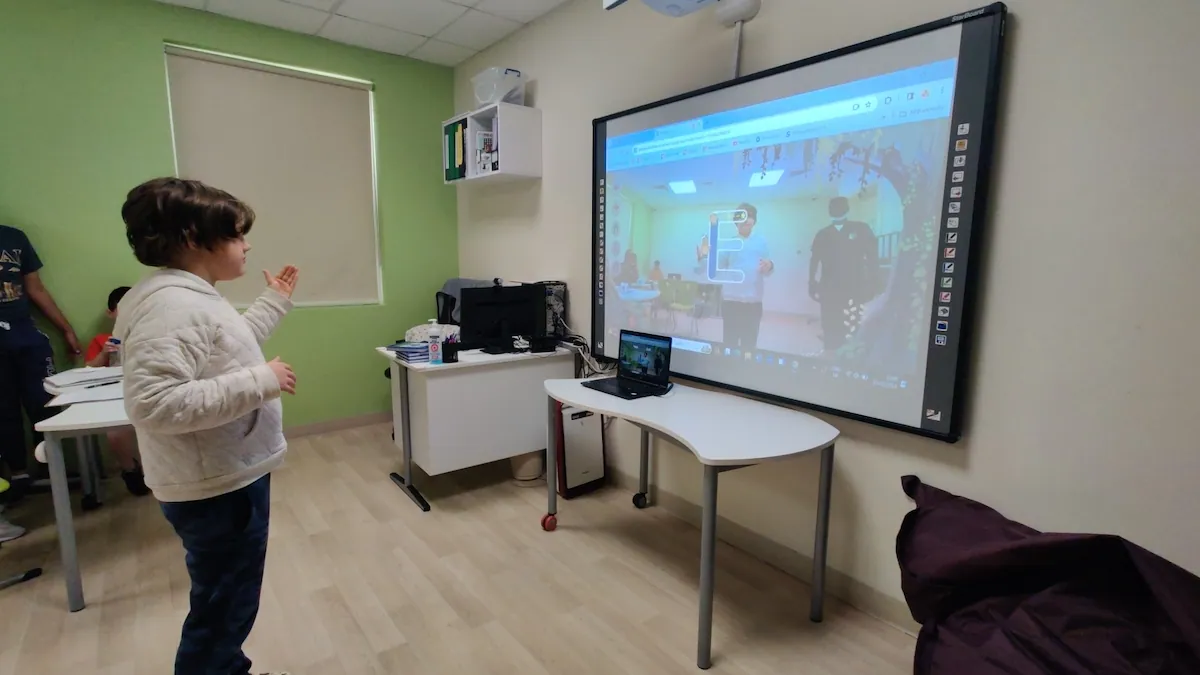
Frequently Asked Questions
What are the best questions to ask kindergarteners?
The best questions are open-ended — prompts that invite kids to explain, imagine, or share feelings rather than answer with a single word. Examples include “If you could have a pet dinosaur, what would you name it?” or “What's something that made you feel proud today?” NAEYC notes that open-ended questions support language development and richer thinking.
How do open-ended questions help kindergarteners develop?
Open-ended questions give children more practice using language, organizing their thoughts, and building vocabulary. They also support social-emotional development by giving kids space to reflect on feelings and experiences. The U.S. Department of Education highlights that back-and-forth “thick” conversations — where adults follow up and children elaborate — are one of the strongest predictors of language growth.
How can I get shy kindergarteners to talk more?
Use low-pressure formats: choice cards (pick between two pictures), draw-first sharing (draw for 60 seconds, then talk from the drawing), or turn-and-talk with a partner instead of speaking to the whole group. Simple, concrete prompts like “What's your favorite color today?” work better for shy children than abstract ones.
What is Question of the Day and how does it work?
Question of the Day (QOTD) is a daily routine where you present two picture choices on the board (e.g., pizza vs. tacos, ocean vs. mountains). Kids point or vote first, then explain their choice. It's a quick, repeatable way to build conversation into every school day.
Can these questions be used in therapy sessions?
Yes. Many of these prompts work well in speech sessions, occupational therapy, and counseling check-ins. In support settings, use choice-based prompts to reduce pressure (“Would you rather talk first or play first?”), gentle check-in questions (“What's one thing that felt hard today?”), and strength-based questions (“What is something you've gotten better at?”).
How many questions should I ask in a Morning Meeting?
One strong question is better than five rushed ones. Pick one prompt, give children time to think, use a follow-up like “Tell me more,” and let the conversation breathe. Responsive Classroom describes Morning Meeting as a daily practice to build community and set a positive tone — quality of interaction matters more than quantity of questions.
Was this article helpful?
Written by

Last medically reviewed on July 4, 2026
How we reviewed this article:
- (2020). Message in a Backpack: Spark Creative Thinking with Open-Ended Questions Teaching Young Children, NAEYC. https://www.naeyc.org/resources/pubs/tyc/apr2020/message-backpack-spark-creative-thinking
- (2023). Talk, Read, Sing Together, Every Day! Language-Rich Environments Tip Sheet U.S. Department of Education. https://www2.ed.gov/about/inits/ed/earlylearning/talk-read-sing.html
- (2024). Asking Questions, Birth to Five HeadStart.gov. https://headstart.gov/video/asking-questions-birth-five
- (2024). What Is Morning Meeting? Responsive Classroom. https://www.responsiveclassroom.org/what-is-morning-meeting/
July 4, 2026
Restructured: rewrote introduction, renamed repetitive section headings, added practitioner context.
January 10, 2025