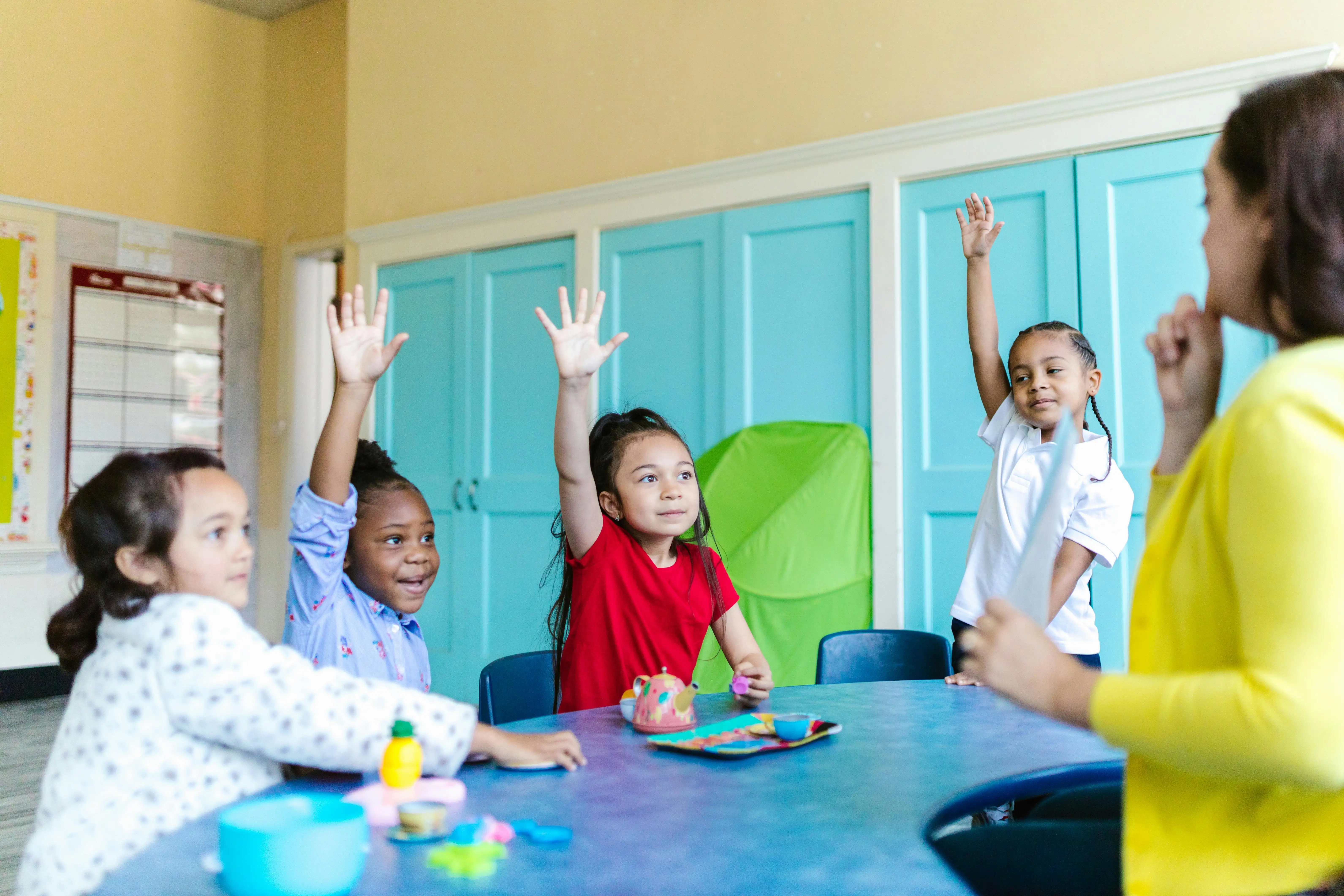
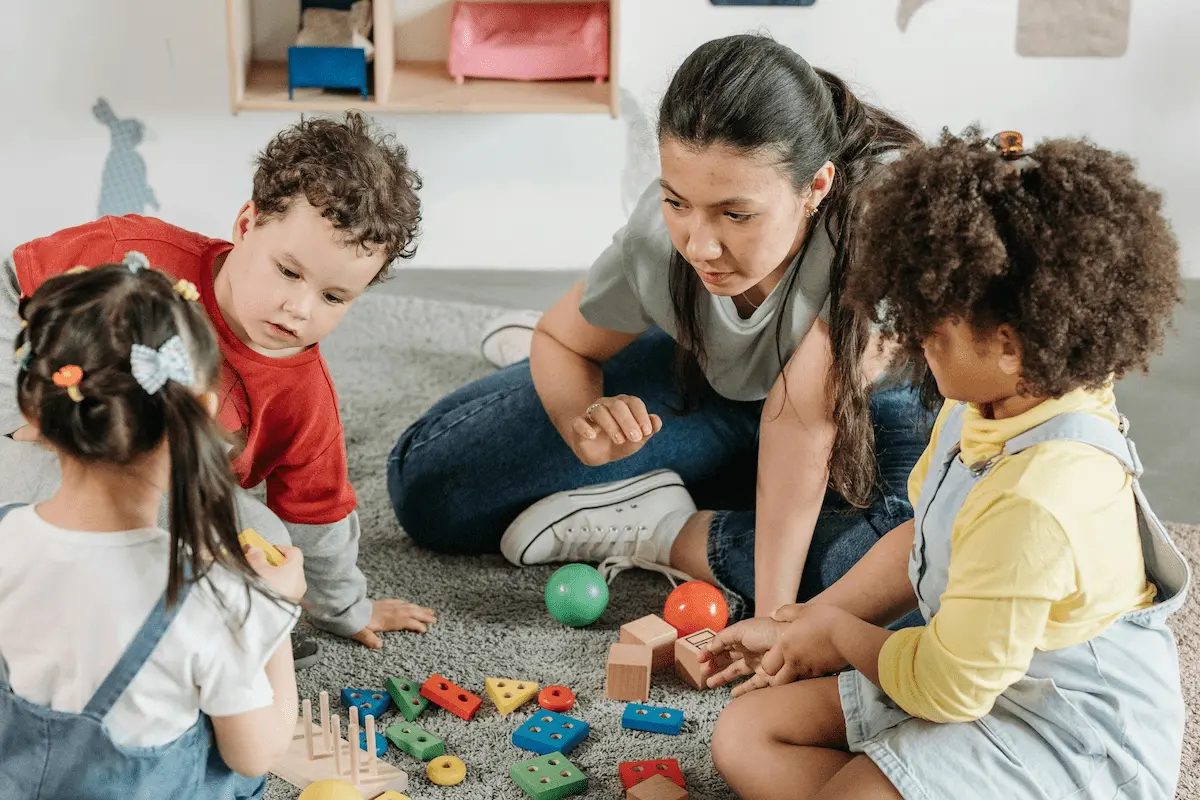
Elementary school is where social and emotional skills stop being abstract. Children are suddenly expected to work in groups, manage frustration without an adult intervening, settle small conflicts themselves, and keep going when the work gets hard.
The activities below are the ones that survive contact with a real classroom: short, repeatable, and needing nothing you do not already have. None of them require a lesson plan.
What SEL Looks Like in Elementary School
CASEL, whose framework most schools follow, describes social and emotional learning across five competencies:
- Self-awareness. Noticing what you feel and naming it.
- Self-management. Pausing between the feeling and the reaction.
- Social awareness. Understanding that someone else sees it differently.
- Relationship skills. Listening, taking turns, repairing things after a fallout.
- Responsible decision-making. Thinking past the next thirty seconds.
Which is why good SEL work is not feelings charts on a wall. It is practice at one of those five things, often enough that it becomes available to the child under pressure.
There is decent evidence behind it. A meta-analysis of 213 school-based programmes found SEL instruction improved social behaviour and academic achievement, with the gains still measurable at follow-up years later.
Build Skills Through Play
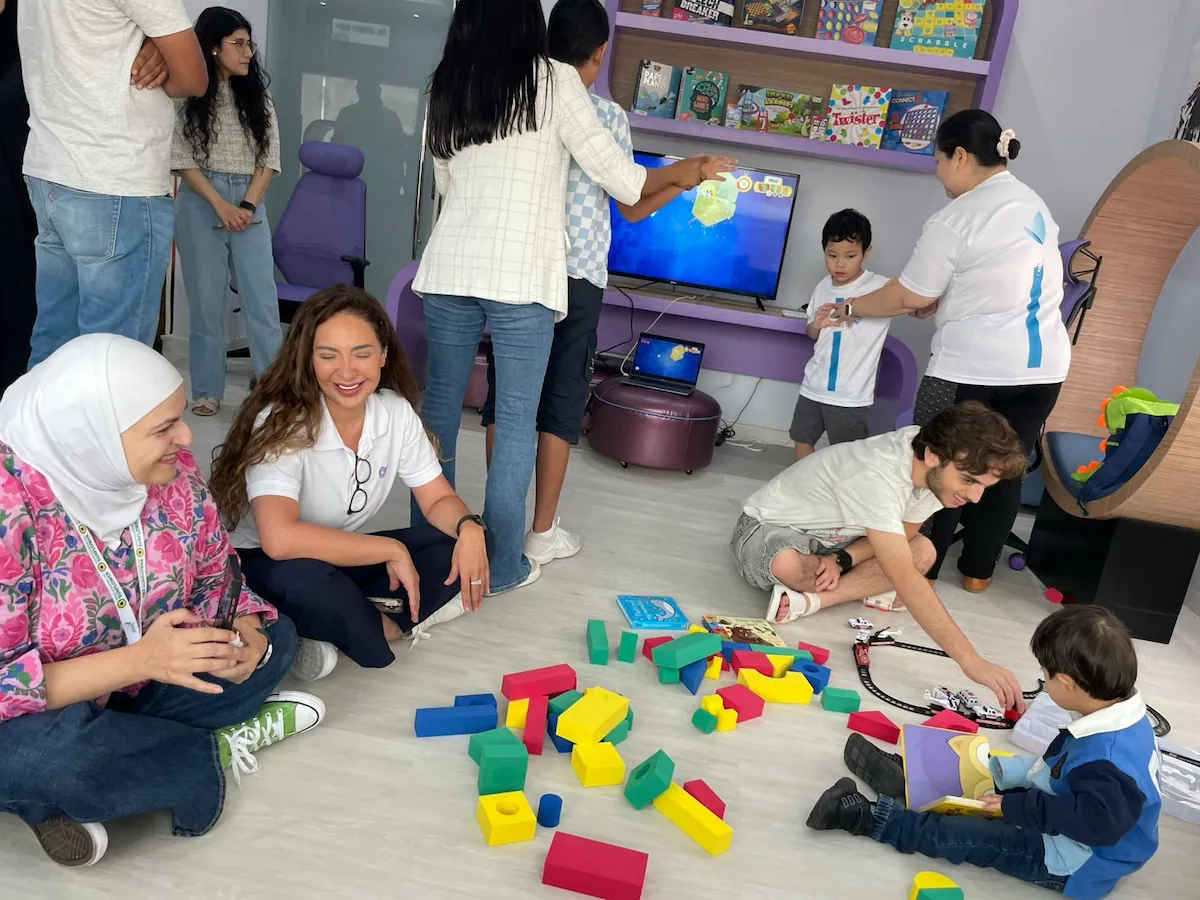
AR games designed with therapists — for children with ADHD, ASD, DCD, and more. Just a laptop camera. No downloads.
Try Free for 14 Days12 SEL Activities for Elementary Students
Grouped by the competency each one builds. Pick the group that matches what you are actually seeing.
Noticing and Naming Emotions
- Emotion check-in circles. Each child names how they feel in one word, a colour, or a number out of five. Two minutes at the start of the day.
- Feelings journals. A few minutes to write or draw about something that made them proud, nervous or annoyed. Gives quieter children a route that does not involve speaking to the room.
- Perspective-taking through stories. Stop a read-aloud to ask why a character reacted that way, or how the other child in the scene might feel.
Pausing and Self-Management
- Calm-down tool practice. Teach one or two strategies: slow breathing, squeezing hands, counting. Practise them when the child is calm, not only when they are upset. A tool rehearsed only in crisis is not available in crisis.
- Group reflection after conflict. What happened, how did people feel, what helped, what would you do differently. Short and blame-free.
- Movement breaks. For some children the fastest route back to regulated is physical, not verbal.
Working With Others
- Role play of real situations. Being left out, losing a game, asking to join in, disagreeing with a classmate. Rehearsing the words before they are needed is most of the battle.
- Partner listening. One child talks for a minute, the other listens without interrupting and then repeats the main idea back.
- Team challenges. Short cooperative tasks where something has to be built, sorted or solved together.
- Compliment circles. One sincere observation about a classmate. Harder than it sounds, and worth the awkwardness.
Decision-Making
- Problem-solving cards. Everyday scenarios written on cards: someone cut in line, your group will not let you choose. Talk through the options while nothing is at stake.
- Kindness spotting. Notice one kind thing someone did today and say it aloud. Trains children to look for it.
SEL Games That Use Movement
Some children engage far better when practice involves moving rather than sitting and discussing. For those children a structured game can be easier to return to than a worksheet, and the repetition happens without anyone having to insist on it.
SEL Games for Elementary Students
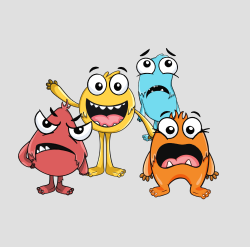
For children who stay with a task better when it involves movement. Both play in the browser and run in short rounds.

Choosing the Right Activity
Not every child needs the same thing. Match the activity to the difficulty you keep seeing:
- Struggles to notice or name emotions: check-in circles, feelings journals, story-based questions.
- Struggles with other children: role play, partner listening, team challenges, compliment circles.
- Struggles to stay regulated: calm-down practice, movement activities, short reflection afterwards.
SEL for Children With Special Needs
Children with additional needs usually do best when the learning is predictable, visual and repeatable. That is not a lower expectation; it is a different route to the same skill. More practice at emotional language, flexible thinking or reading social cues, delivered the same way each time.
Repetition tends to matter more than the specific activity. An activity a child will do twenty times beats a better activity they will do twice.
Making These Work in Practice
- One skill at a time. Turn-taking this week, emotional vocabulary next. Not both.
- Repeat what lands. Children get more from the same activity repeated than from a new one each week.
- Keep reflection short. Two good questions beat a ten-minute conversation.
- Use real situations. SEL sticks when it attaches to something that actually happened in the playground this morning.
See It In Action
Book a free demo and see how WonderTree works for your child, classroom, or therapy center.
Book a Free Demo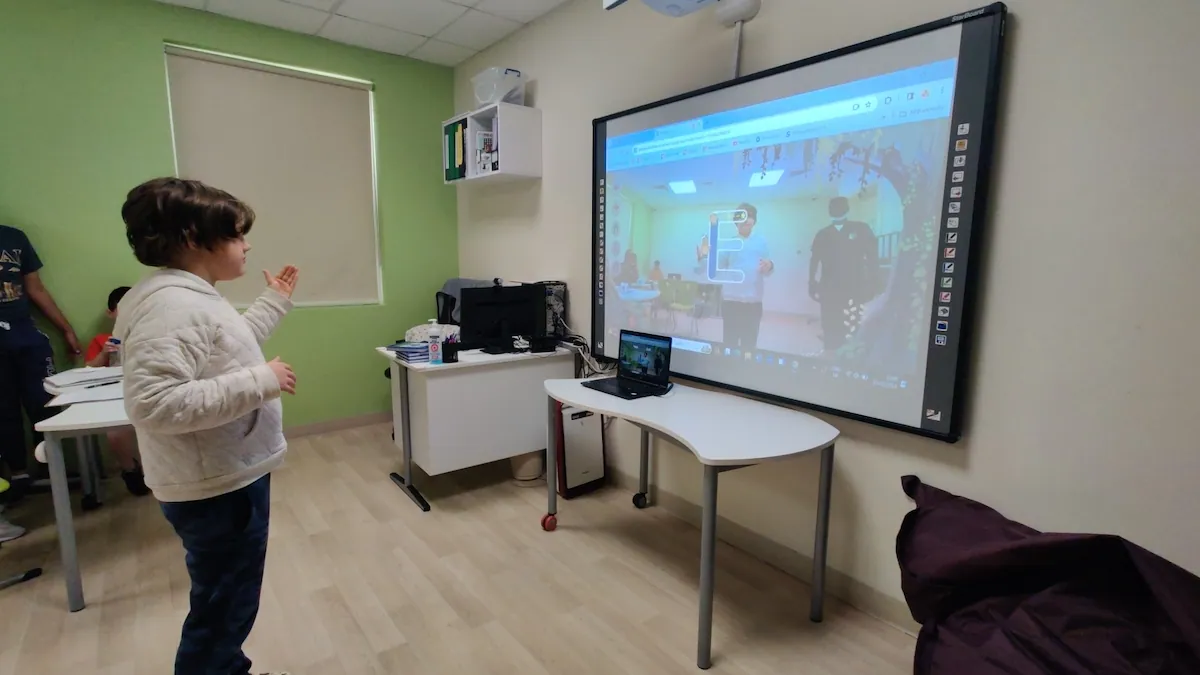
Frequently Asked Questions
What are social emotional learning activities for elementary students?
They are activities that build self-awareness, self-management, empathy, communication, relationship skills and responsible decision-making. Those map onto the five competency areas set out by CASEL, the organisation whose framework most schools follow.
Why does SEL matter in elementary school?
These are the years when children are first expected to work in groups, manage frustration without an adult stepping in, resolve small conflicts and keep going when work is hard. A 2011 meta-analysis of 213 school programmes found SEL instruction improved both social behaviour and academic achievement.
What are good SEL activities for the classroom?
Emotion check-ins, role play of real school situations, partner listening, team challenges, compliment circles and short reflections after a conflict. All of them run in ten minutes or less and need no materials.
How do I help a child who struggles with self-regulation?
Start with one or two calming tools, practised while the child is calm rather than mid-difficulty. Breathing, slow counting or a movement break all work. Add a short reflection afterwards so the child connects the tool to the moment it helped.
Are SEL games useful for children with special needs?
They often are, particularly when they are predictable, repeatable and free of social pressure. Children who find group discussion difficult may practise the same skill more willingly through play, and a game can be repeated as many times as the child wants without anyone watching.
How long should an SEL activity take?
Most of these work in five to ten minutes. Short and frequent beats long and occasional, because the skill is built by repetition rather than by any single session.
Was this article helpful?
Written by

Last medically reviewed on September 9, 2026
How we reviewed this article:
- (2024). Fundamentals of SEL: the CASEL 5 competencies CASEL. https://casel.org/fundamentals-of-sel/
- (2011). The impact of enhancing students' social and emotional learning: a meta-analysis of school-based universal interventions Child Development, 82(1), 405-432. https://pubmed.ncbi.nlm.nih.gov/21291449/
- (2017). Promoting positive youth development through school-based social and emotional learning interventions: a meta-analysis of follow-up effects Child Development, 88(4), 1156-1171. https://pubmed.ncbi.nlm.nih.gov/28685826/
- (2024). Bright Futures Guidelines for Health Supervision of Infants, Children, and Adolescents, 4th Edition American Academy of Pediatrics. https://publications.aap.org/brightfutures
September 9, 2026
Migrated from WordPress. Activities grouped by the CASEL competency each builds, peer-reviewed SEL research added.
March 14, 2026