Every time a child picks up a crayon, kicks a ball, or buttons their shirt before school, they're using motor skills: the coordinated movements that let us interact with the physical world. These skills don't appear overnight. They develop progressively throughout childhood, and understanding how they work helps parents, educators, and therapists know what to expect, when to step in, and how to support a child who might be struggling.
What Are Motor Skills? A Simple Definition
Motor skills are learned abilities to make controlled, purposeful movements with our muscles. Gross motor skills use large muscle groups for actions like walking, jumping, and throwing. Fine motor skills use the small muscles of the hands and wrists for actions like writing, buttoning a shirt, and using scissors. Children develop them in a fairly predictable order, and both kinds can be strengthened with practice.
Motor skills fall into two broad categories: fine motor skills and gross motor skills. Together, they form the foundation for nearly everything a child does — from writing their name to running on the playground. Each type develops on its own timeline, and delays in either area can affect a child's confidence, learning, and independence.
This guide breaks down the types of motor skills, how they differ, how they develop, and what to watch for if you suspect your child might need extra support.
What Are Motor Skills?
Motor skills are the abilities that allow us to perform physical movements using our muscles. In child development, they refer to the progressive building of movement capabilities — starting from simple reflexes in infancy to complex, coordinated actions like catching a ball or writing legibly.
Motor skill development is one of the most visible markers of a child's growth. When a baby first rolls over, a toddler stacks blocks, or a kindergartener learns to cut with scissors, each milestone represents a motor skill being mastered.
Related: Online Motor Games for Special Needs Children →
Build Skills Through Play
AR games designed with therapists — for children with ADHD, ASD, DCD, and more. Just a laptop camera. No downloads.
Try Free for 14 DaysThe Two Main Types of Motor Skills
From precise finger movements to full-body coordination, motor skills fall into two primary categories. Understanding this distinction helps you identify what your child is working on and what kinds of activities support each area:
- Fine motor skills — small, precise movements using hands and fingers
- Gross motor skills — large movements using arms, legs, and the whole body
Both types are essential, and they often develop in tandem — a child needs gross motor stability (core strength, balance) before fine motor precision can fully emerge.
Fine Motor Skills
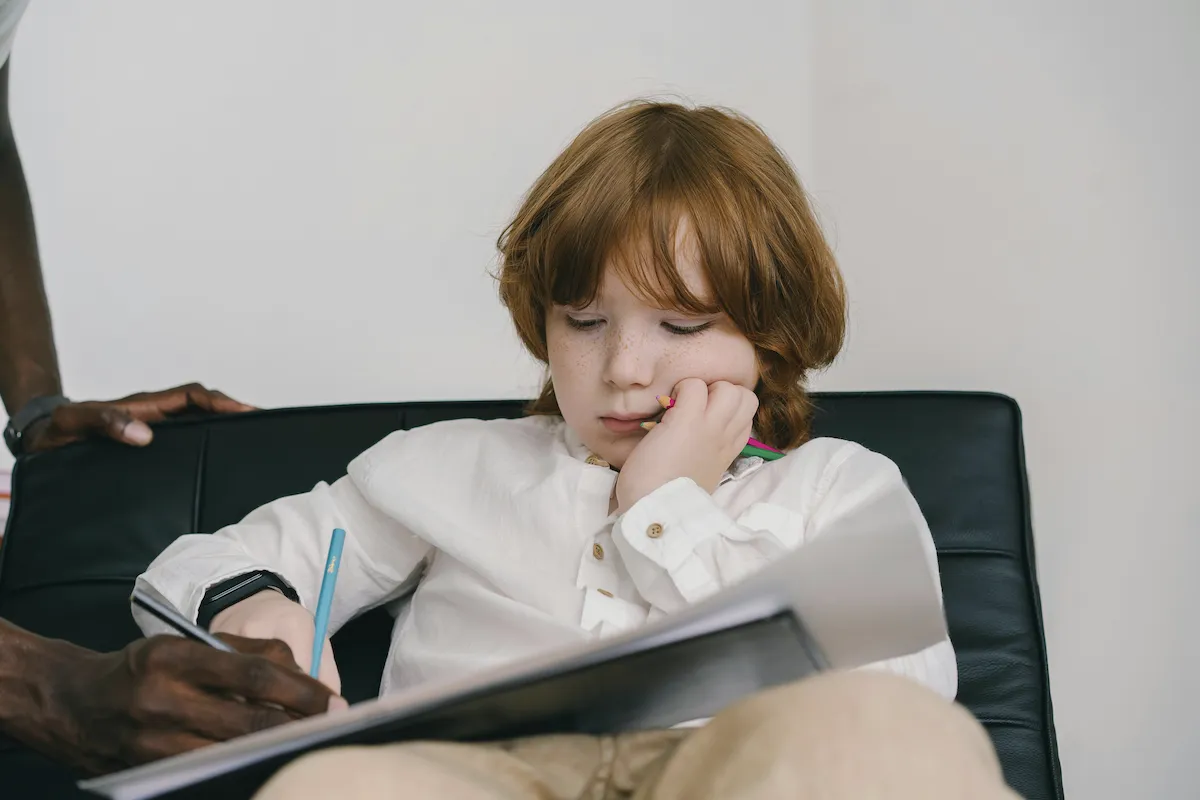
Fine motor skills involve the small muscles of the hands, fingers, and wrists. These are the skills required for tasks that demand precision, coordination, and control — things like holding a pencil, buttoning a shirt, or picking up small objects.
Fine motor development is closely linked to a child's independence. When a child can feed themselves, zip their jacket, or write their name, it builds confidence and reduces reliance on adults for everyday tasks. In a school setting, fine motor skills directly affect handwriting, cutting with scissors, using a keyboard, and completing classroom activities.
Examples of Fine Motor Skills
- Writing and drawing
- Cutting with scissors
- Typing on a keyboard
- Folding clothes
- Solving puzzles
- Threading beads
- Buttoning and zipping clothing
- Playing a musical instrument
- Using utensils (spoon, fork, chopsticks)
- Building with small blocks or LEGO
Fine motor skills are refined through practice. The more a child engages in activities that require hand-eye coordination and finger dexterity, the stronger these skills become. For children who find these tasks challenging — including children with autism, ADHD, or developmental coordination disorder — structured, repeated practice through play can make a meaningful difference.
Gross Motor Skills
Gross motor skills involve the large muscles of the body — arms, legs, core, and torso. These are the movements that let a child walk, run, jump, climb, and maintain balance. Unlike fine motor skills, many gross motor skills develop automatically as a child grows, provided they have opportunities to move and explore.
Gross motor skills are the foundation for physical activity, sports, and general health. They also play a critical role in a child's social development — being able to run, climb, and keep up with peers on the playground affects confidence and inclusion in group play.
Examples of Gross Motor Skills
- Walking and running
- Jumping and hopping
- Throwing and catching
- Swimming
- Crawling and climbing
- Sitting upright (core stability)
- Kicking a ball
- Riding a bicycle
- Balancing on one foot
- Skipping and galloping
Children who struggle with gross motor skills may appear clumsy, avoid physical activities, or tire more quickly than peers. These challenges are common in children with developmental coordination disorder (DCD), Down syndrome, and cerebral palsy — and early, consistent practice through engaging activities can significantly improve outcomes.
Fine vs. Gross Motor Skills: Key Differences
Understanding how fine and gross motor skills differ helps parents and educators choose the right activities and interventions. Here's a clear comparison:
| Aspect | Fine Motor Skills | Gross Motor Skills |
|---|---|---|
| Muscle Groups | Small muscles (hands, fingers, wrists) | Large muscles (arms, legs, core) |
| Movement Type | Precise, controlled, small-range | Broad, forceful, full-body |
| Key Examples | Writing, buttoning, drawing | Running, jumping, climbing |
| Primary Purpose | Daily independence and school tasks | Physical activity, balance, strength |
| Development Window | Refines through early childhood | Emerges earlier, builds through play |
| When Delayed | Difficulty with self-care, handwriting | Clumsiness, avoids physical play |
How Motor Skills Develop in Children
Motor development follows a general sequence, but the exact timing varies from child to child. Some children walk at 9 months, others at 16 months — both can be perfectly normal. What matters most is the overall pattern of progress.
Birth to 12 months: Reflexive movements give way to intentional reaching, grasping, rolling over, sitting without support, crawling, and eventually standing and taking first steps.
1 to 3 years: Walking becomes steady. Running, climbing, and kicking emerge. Fine motor skills progress from raking grasps to pincer grips (picking up small objects with thumb and finger). Children begin using spoons, stacking blocks, and turning pages.
3 to 5 years: Gross motor skills expand to jumping, hopping, balancing on one foot, and riding a tricycle. Fine motor skills include drawing shapes, using scissors, and beginning to write letters.
5 to 7 years: Children refine both types — handwriting improves, they can tie shoelaces, catch a ball reliably, and participate in organized sports. Coordination and endurance increase significantly.
Children with neurodevelopmental conditions such as autism, ADHD, or DCD may follow a different timeline. What's important is not comparing milestones rigidly, but ensuring the child is making consistent progress and getting appropriate support when needed.
Games That Build Both Types of Motor Skill
One for hand-eye precision, one for whole-body balance. Both free to try in the browser.

Signs of Motor Skill Delays
Motor delays are more common than many parents realize. Recognizing the signs early allows for timely intervention, which research consistently shows leads to better outcomes.
Consider speaking with your pediatrician or a developmental specialist if your child:
- Is not sitting independently by 9 months
- Is not walking by 18 months
- Has difficulty with simple hand tasks (grasping, transferring objects) beyond 12 months
- Avoids or struggles with age-appropriate physical activities
- Frequently trips, falls, or appears uncoordinated compared to peers
- Cannot hold a pencil, use scissors, or draw basic shapes by age 4
- Shows a significant regression in previously mastered motor skills
A single missed milestone doesn't necessarily indicate a problem — but a pattern of delays, or a gut feeling that something is different, is worth discussing with a professional. Early assessments are not about labeling a child; they're about understanding how to help them thrive.
Structured play activities can be an effective supplement to professional therapy while you wait for an assessment. Games that encourage reaching, grasping, balancing, and coordinated movement — like WonderTree's motor skill games — give children repeated practice in a low-pressure environment they actually enjoy.
See It In Action
Book a free demo and see how WonderTree works for your child, classroom, or therapy center.
Book a Free Demo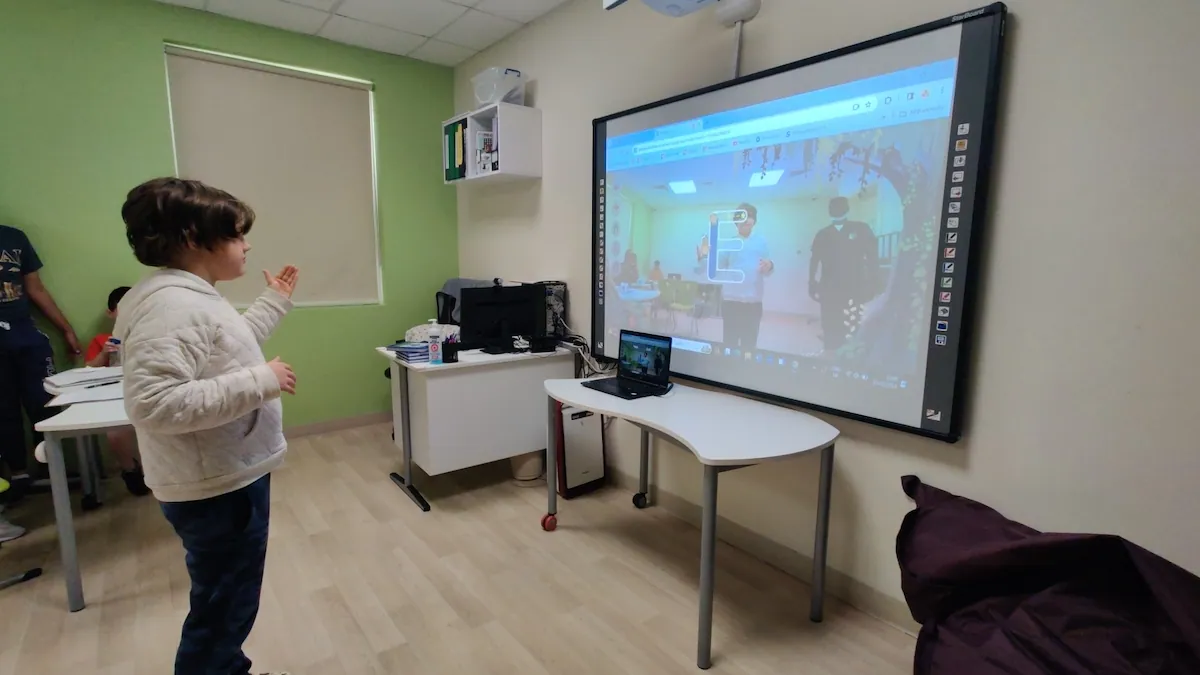
Frequently Asked Questions
What are the 5 basic motor skills?
The five basic motor skills commonly referenced are walking, running, jumping, throwing, and catching. These fundamental movements form the base for most physical activities and sports.
How many types of motor skills are there?
There are two primary types: fine motor skills (small, precise movements using hands and fingers) and gross motor skills (large movements using the whole body). All other motor skill classifications build on these two categories.
What are the three stages of motor learning?
Motor learning progresses through three stages: the cognitive stage (understanding what the task requires), the associative stage (practicing and refining the movement), and the autonomous stage (performing the skill automatically without conscious effort).
What are specialized motor skills?
Specialized motor skills are advanced, task-specific abilities that build on basic motor foundations — such as swimming, playing a musical instrument, or participating in a specific sport. They require focused practice beyond what develops naturally through everyday movement.
What does the specificity of motor skills mean?
Specificity refers to the principle that each motor skill is unique and task-specific. Practicing one skill doesn't automatically transfer to others — for example, becoming skilled at kicking a ball doesn't mean you'll automatically be good at throwing one. Consistent, targeted practice is needed for each skill.
What are age-appropriate motor skills?
Age-appropriate (or “normal”) motor skills are movement and coordination abilities that typically develop as a child grows — like walking by around 12 months, running by age 2, or writing legibly by age 6. These serve as general benchmarks, but the exact timing varies from child to child.
Why are motor skills important in child development?
Motor skills allow children to explore their environment, participate in play and social activities, build independence in daily tasks, and develop confidence. They're also closely linked to cognitive development — research shows that physical movement and brain development reinforce each other throughout childhood.
Was this article helpful?
Clinically Reviewed by

Written by

Last medically reviewed on July 4, 2026
How we reviewed this article:
- (2024). Bright Futures Guidelines for Health Supervision of Infants, Children, and Adolescents, 4th Edition American Academy of Pediatrics. https://publications.aap.org/brightfutures
- (2012). Developmental coordination disorder: a review and update European Journal of Paediatric Neurology, 16(6), 573-581. https://doi.org/10.1016/j.ejpn.2012.05.005
- (2008). The role of early fine and gross motor development on later motor and cognitive ability Human Movement Science, 27(5), 668-681. https://doi.org/10.1016/j.humov.2007.09.002
- (2020). WHO Guidelines on Physical Activity and Sedentary Behaviour World Health Organization, Geneva. https://www.who.int/publications/i/item/9789240015128
July 4, 2026
Added a clear definition section for readers asking what motor skills are.
September 15, 2025