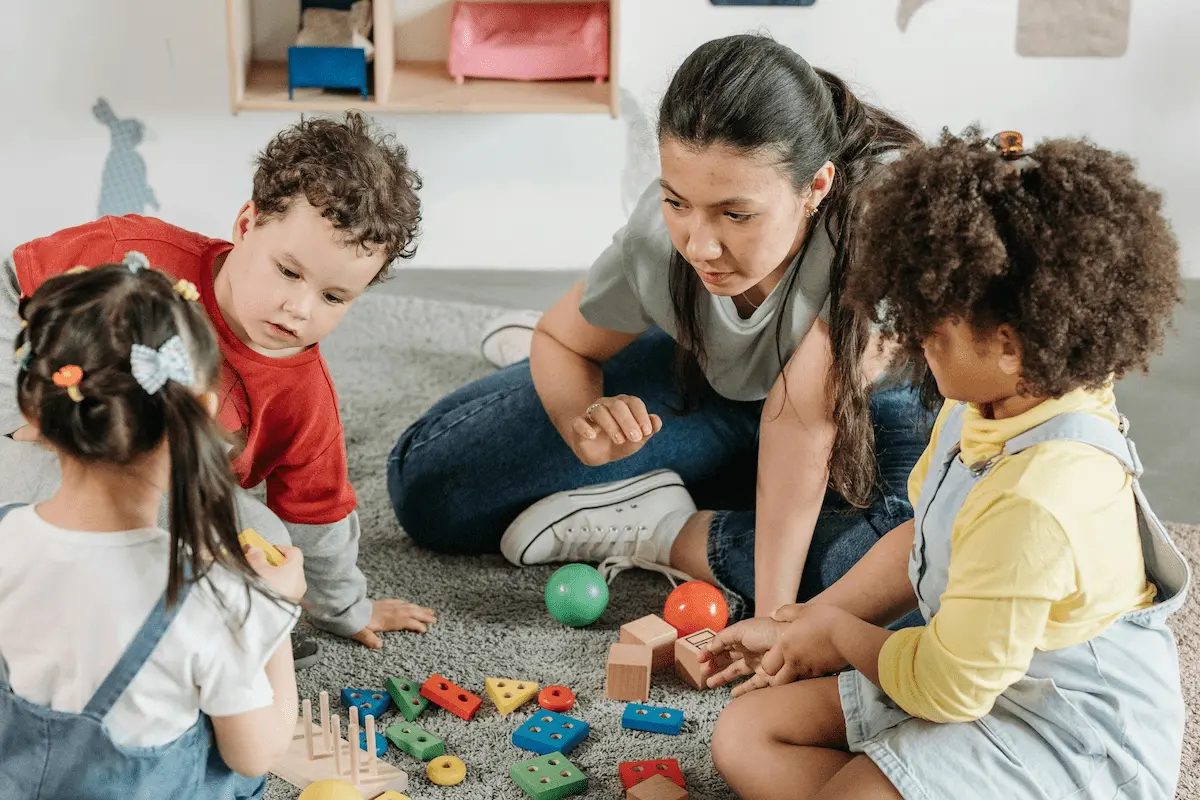
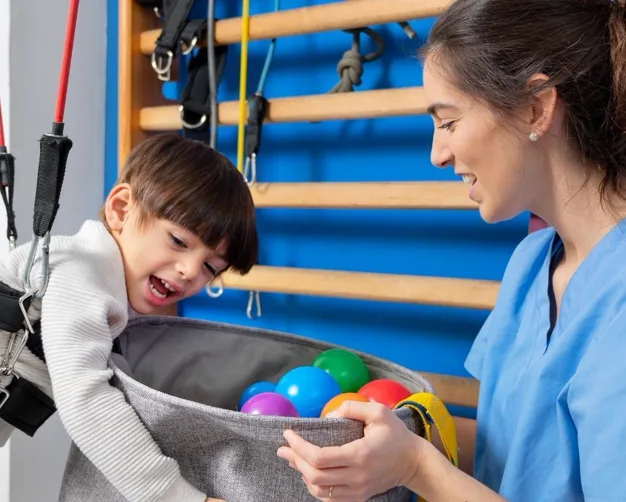
Ever watched a child wrestle with a shoelace, or grip a pencil like it might escape? That is motor skill development happening in real time — and it is one of the least visible, most consequential parts of growing up.
This guide covers what motor skills actually are, the two main types, how they develop from infancy through the school years, and the practical things that help them along.
Motor Skills Definition and Meaning
Motor skills are learned, coordinated muscle movements that let a person carry out a purposeful task — writing a word, catching a ball, doing up a button. The definition has two halves that matter equally: the movement is coordinated (muscles working together in sequence, not at random), and it is purposeful (aimed at an outcome).
That is what separates a motor skill from a reflex. A newborn's grasp reflex is automatic. A three-year-old deliberately picking up a crayon to draw is a motor skill.
How Motor Skills Work
The sequence is straightforward. The brain decides on a movement, sends signals down through the nervous system, and the muscles contract in the right order and with the right force. Sensory feedback — what the child sees and feels — travels back, and the brain adjusts.
Repetition is what turns that effortful loop into something automatic. This is why a child learning to write grips hard, moves slowly and tires quickly, while an adult writes without thinking about it at all. The movement has not changed; the amount of conscious control it needs has.
What Are the Types of Motor Skills?
Motor skills are divided into two categories based on the size of the muscle groups involved: fine motor skills and gross motor skills. Children develop both at the same time, not one after the other.
Fine Motor Skills vs Gross Motor Skills
| Fine motor skills | Gross motor skills | |
|---|---|---|
| Muscles used | Small muscles — hands, fingers, wrists, and the muscles controlling the eyes and mouth | Large muscle groups — legs, arms, torso, and the whole body together |
| Typical tasks | Writing, cutting, buttoning, threading beads, using cutlery | Walking, running, jumping, climbing, balancing, throwing |
| What it enables | Precision and control — schoolwork, self-care, craft | Strength, balance and stamina — play, sport, moving through the world |
| Often noticed when | Handwriting is laboured or messy; doing up clothes is a struggle | A child seems clumsy, avoids climbing frames, or tires quickly |
For a fuller breakdown of the sub-categories within each group, see our guide to the types of motor skills.
Why Motor Skills Matter in Daily Life
Motor skills quietly determine how much of daily life a child can manage alone. Strong ones mean:
- Independence. Dressing, eating, washing and writing stop needing an adult.
- Physical health. Movement builds strength, balance and coordination, and children who move confidently tend to keep moving.
- Access to learning. Handwriting, using scissors and manipulating classroom materials all rest on fine motor control.
- Social inclusion. Most childhood play is physical. A child who can join a ball game joins the group.
- Confidence. This is the one that compounds. Children avoid what they are not good at, which removes exactly the practice they need.
Build Skills Through Play
AR games designed with therapists — for children with ADHD, ASD, DCD, and more. Just a laptop camera. No downloads.
Try Free for 14 DaysHow to Build Motor Skills at Home
The difficulty with motor skill practice is rarely knowing what to do. It is repetition: getting a child to do the same movement often enough, willingly enough, for it to stick.
Which means the thing to optimise for is not the perfect activity. It is frequency, and a child who does not mind doing it again.
Everyday Activities That Help
None of these need equipment, and all of them can be folded into a normal day:
- Fine motor. Threading beads, tearing paper, picking up small objects with tongs, playing with dough, doing up their own buttons even when it is slower.
- Gross motor. Stepping along a kerb or a line of tape, animal walks across a room, throwing at a target, carrying something heavy across the kitchen.
- Built into chores. Wiping a table, pouring, sweeping and stirring are all motor practice that happens to be useful.
Short and often beats long and occasional. Five minutes most days will do more than an hour at the weekend.
Where Motion-Based Games Fit
The repetition problem is where games earn their place. Unlike tablet games played with a fingertip, WonderTree's games use the laptop camera to track the child's body, so the movement is the controller. Reaching, ducking, stepping and balancing are required to play at all.
The advantage is not that a game is better than a real activity. It is that a child will repeat a game far more times than they will repeat an exercise, and repetition is the whole point.
Games That Build Motor Skills
The hard part of motor practice is not knowing what to do. It is repetition. These two turn it into something a child asks to do again.

You can browse the full set on our motor games for children page.
Motor Skills Development
Motor development follows a broadly predictable order, but on a highly variable timetable. The WHO Motor Development Study found wide but normal windows for when healthy children reach gross motor milestones — walking unaided, for instance, spans roughly 8 to 18 months.
The order matters more than the dates.
Stages of Motor Skills Development
- Infancy (0–12 months). Reflexes give way to intentional movement: lifting the head, rolling, reaching, raking objects into the palm, sitting, then crawling.
- Toddlerhood (1–3 years). Walking becomes steady, then running and climbing. Fine motor work begins in earnest — scribbling, stacking, turning pages.
- Preschool (3–5 years). Coordination sharpens. Hopping, pedalling, catching a large ball; drawing recognisable shapes, using scissors, managing most cutlery.
- School age (5+ years). Refinement rather than novelty: legible handwriting, tying laces, the balance and timing that sport requires.
The CDC's milestone guidance is framed around what most children can do by a given age. It is a prompt to check in, not a deadline to panic about.
What Affects Motor Development
- Opportunity to practise. The single biggest modifiable factor. Children who move often, move better.
- Health and nutrition. Muscle growth, energy and stamina all depend on it.
- Individual variation. Some children are simply earlier or later, with no underlying cause.
- Underlying conditions. Developmental coordination disorder, cerebral palsy, Down syndrome and low muscle tone all affect motor development, and each benefits from targeted support.
Examples of Motor Skills
Examples of Fine Motor Skills
- Writing and drawing
- Cutting with scissors
- Buttoning and zipping clothes
- Tying shoelaces
- Stacking blocks and completing puzzles
- Grasping and releasing small objects
- Brushing teeth and hair
- Using a knife and fork
Examples of Gross Motor Skills
- Running and jumping
- Climbing stairs and playground frames
- Balancing on one foot
- Throwing, catching and kicking
- Bending, squatting and lifting
- Riding a bike or scooter
When to Seek Professional Advice
Most variation in motor development is normal. It is worth speaking to your paediatrician, or a paediatric occupational or physiotherapist, if a child consistently avoids physical play, seems to lose a skill they previously had, is markedly behind peers across several areas at once, or if you simply have a persistent concern. Early assessment is low-cost and often reassuring.
This article is general information about child development. It is not a diagnosis and does not replace advice from a qualified clinician who has assessed your child.
See It In Action
Book a free demo and see how WonderTree works for your child, classroom, or therapy center.
Book a Free Demo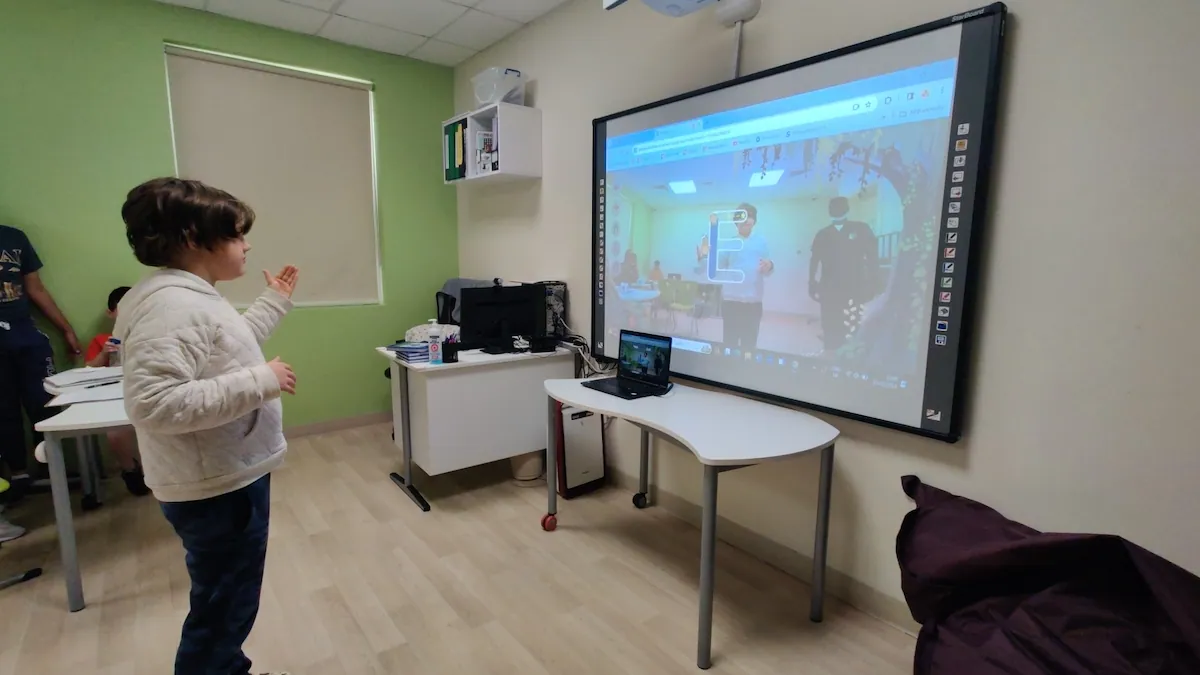
Frequently Asked Questions
What are motor skills?
Motor skills are coordinated muscle movements used to carry out everyday tasks such as writing, running, holding a cup, or grasping objects. They involve the brain, nervous system and muscles working together, and they develop gradually through practice from infancy onwards.
What is the difference between fine and gross motor skills?
Fine motor skills use small muscles in the hands and fingers for precise tasks like writing, buttoning a shirt or using cutlery. Gross motor skills use large muscle groups for whole-body movements like running, jumping, climbing and balancing. Both are needed for independence, and they develop alongside each other rather than one after the other.
Why are motor skills important?
Motor skills make everyday tasks possible — eating, dressing, writing, playing. Beyond the practical, they affect how readily a child can join in with others. A child who finds catching or handwriting difficult may avoid the activities where those skills are practised, which is why early, low-pressure practice matters.
At what age do motor skills develop?
Motor development begins at birth with reflexes and continues into adolescence. Broad milestones include reaching and grasping in the first six months, sitting and crawling around 6–9 months, walking around 12–18 months, and refined skills like handwriting in the early school years. Ranges are wide, and the CDC notes that milestones describe what most children can do by a given age rather than a deadline.
How can I improve my child's motor skills?
Give frequent, short opportunities to move and manipulate objects: drawing, threading beads, stacking, cutting with safety scissors, climbing, ball games and balance play. Frequency matters more than duration. Activities the child actually enjoys get repeated, and repetition is what builds the skill.
What causes motor skill delays?
Delays can stem from a range of causes including developmental coordination disorder, cerebral palsy, low muscle tone, prematurity, or simply limited opportunity to practise. A delay is not a diagnosis on its own. If you are concerned about your child's movement, speak to your paediatrician or a paediatric occupational or physiotherapist, who can assess properly.
How can WonderTree games help develop motor skills in children?
WonderTree's motor games are motion-based: the child moves their body in front of a laptop camera to play, so reaching, ducking, balancing and tracking are built into the gameplay rather than added on. This turns motor practice into something a child repeats willingly, which is the hard part of motor skill development.
Are WonderTree's motor skill games suitable for children with special needs?
Yes. The games are designed for all children, with particular attention to children with ADHD, autism, DCD, Down syndrome and cerebral palsy. Because they are camera-based rather than controller-based, they do not require the fine finger control that a handheld controller demands.
Was this article helpful?
Written by

Last medically reviewed on September 7, 2026
How we reviewed this article:
- (2024). CDC's Developmental Milestones — Learn the Signs. Act Early. Centers for Disease Control and Prevention. https://www.cdc.gov/ncbddd/actearly/milestones/index.html
- (2024). Bright Futures Guidelines for Health Supervision of Infants, Children, and Adolescents, 4th Edition American Academy of Pediatrics. https://publications.aap.org/brightfutures
- (2006). WHO Motor Development Study: windows of achievement for six gross motor development milestones Acta Paediatrica Supplement, 450, 86–95. https://pubmed.ncbi.nlm.nih.gov/16817681/
- (2012). Understanding Motor Development: Infants, Children, Adolescents, Adults (7th ed.) McGraw-Hill.
September 7, 2026
Migrated from WordPress. Added sourced developmental milestones, a fine-vs-gross comparison table, and corrected the WonderGames list.
March 19, 2025