Your child with autism learns best in motion. WonderTree makes that motion count.
Every jump, reach, and turn becomes a step forward. Our free online games are built around how children with autism actually engage. No wearables. No waiting room. Just smiles, small wins, and growth you can watch happen.
No card needed. Start free and watch your child grow.
Backed &
Recognised by

Global organisations championing children’s development.



Move a little. Watch the magic happen.
Each game below works on one skill. They are the same ones an autistic child is likely already working on in therapy, except here nobody has to be persuaded to start.
Sensory Play
WonderTree builds sensory play an autistic child can stay inside of. Colour and sound stay predictable, every level starts gently, and your child sets how fast the input comes rather than the screen setting it for them. In Color Quest that means matching a colour to its sound at whatever speed suits that day, engaging the senses without ever tipping into overload.

Body Awareness & Motor Planning
Therapists start with the body for a reason. Motor planning, balance and knowing where you are in space sit underneath attention, and attention sits underneath everything a child learns next. These are the goals that break down at home because no child wants to drill them. Kick Ups solves that by kicking and jumping at a moving target, building the coordination the rest of the learning rests on, without it ever feeling like exercise.

Attention & Following Instructions
Attention gets trained here in bursts short enough for an autistic child to finish, and every round asks them to hear a rule and act on it. That pairing, holding focus and following an instruction, is what a classroom demands all day and what the school report keeps coming back about. Flash Dash runs on a timer because a countdown is often what gets a reluctant child to start at all, stretching attention span and instruction following together.

Imitation & Emotions
Copying what another person does is one of the first things therapists work on, because language and social skills are built on top of it. It is also the hardest thing to practise at home, since it normally takes a second person sitting opposite. WonderTree is that second person. In Feelings your child sees an expression, makes it back, and gets an answer in the same second, practising how to read faces, name feelings and connect, one smile at a time.

Turn Taking & Confidence
The thing teachers report most often is not a score, it is a child waiting for their turn. One screen, several children, and a game everyone wants a go at turns waiting into something worth doing. Bubble Pop is the one they queue for: every bubble popped is a win celebrated out loud, so a child who had stopped trying anything new starts taking turns, waiting, and coming back for more.

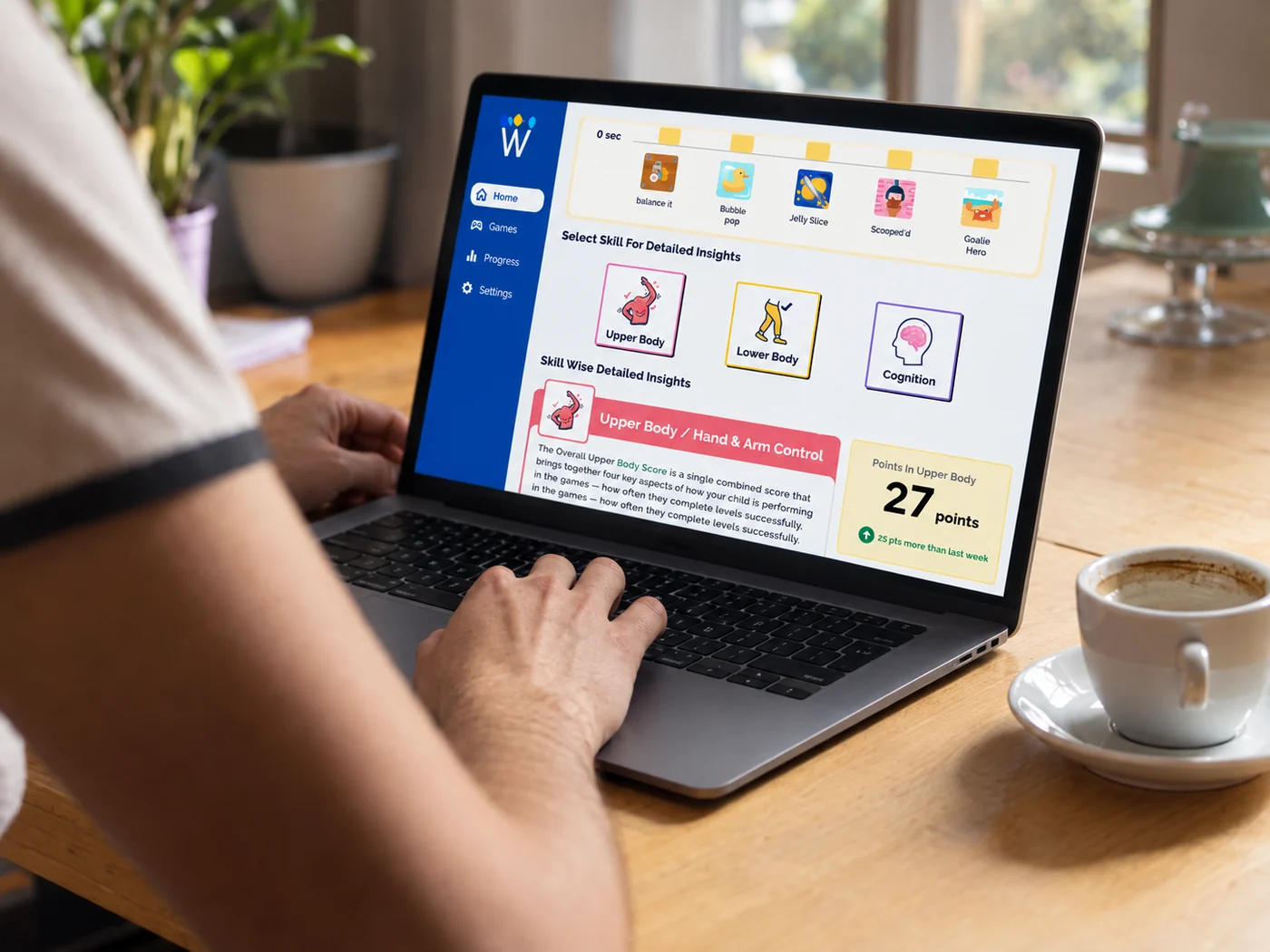
See exactly what’s improving, session by session.
Real families.
Real change.
This is what parents and therapists tell us after their child starts playing.
Join these families →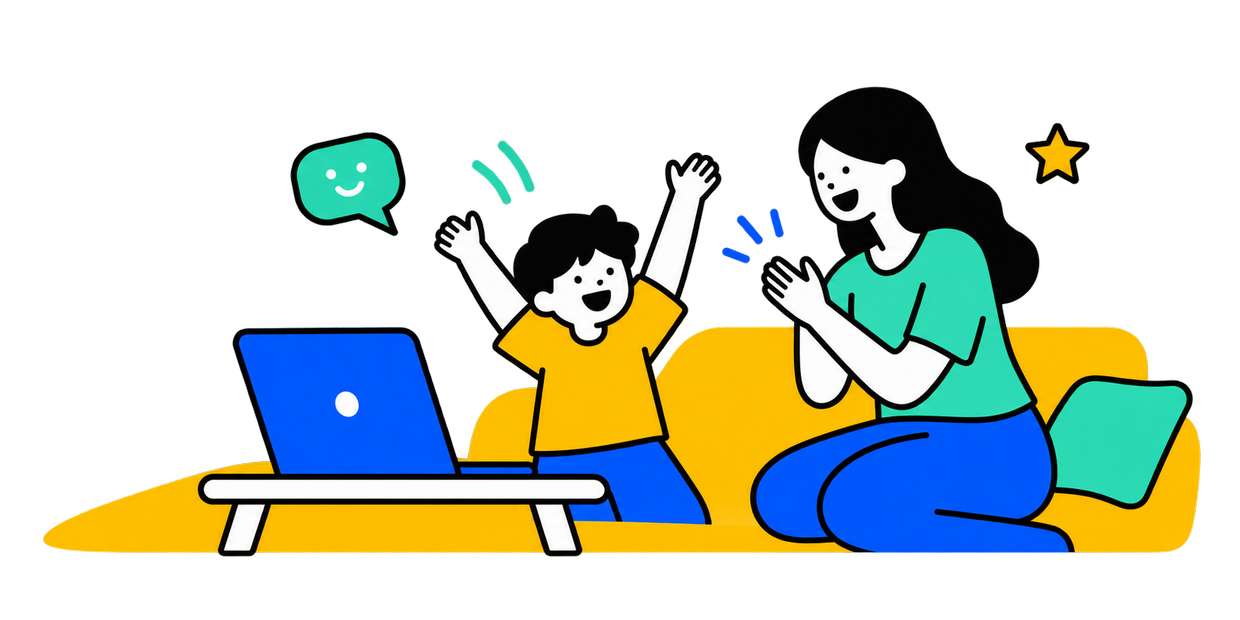




As simple as opening a video.

No special equipment
No sensors, no wearables, nothing to buy. If you have a laptop, you already have everything.

Nothing to install
No apps, no downloads. It runs in the browser you already have open.

Just a camera
Your child moves, the game responds. That is the whole setup.
Free to start. No card, no download.

 Frontiers in Neurology
AR games improved upper-limb function and balance in a randomised clinical trial
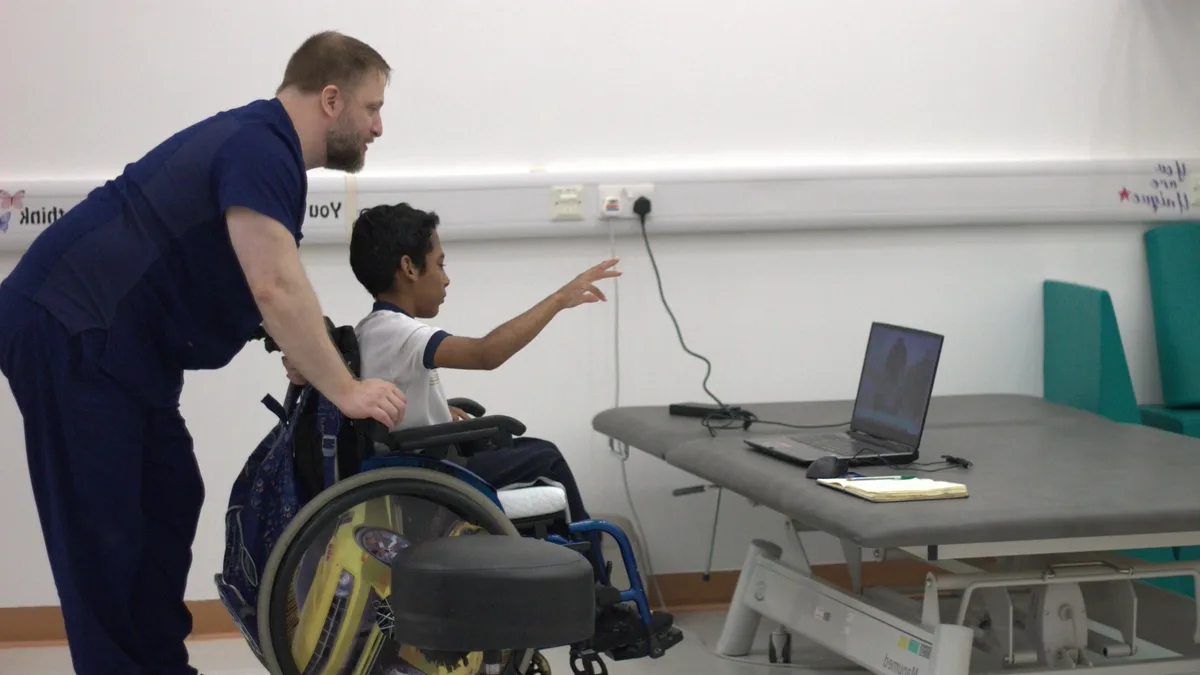
Thirty children with spastic hemiplegic cerebral palsy played Bubble Pop, Scoop’d and Balance It for 8 weeks. All groups improved significantly in upper-extremity function and balance.
Read the study →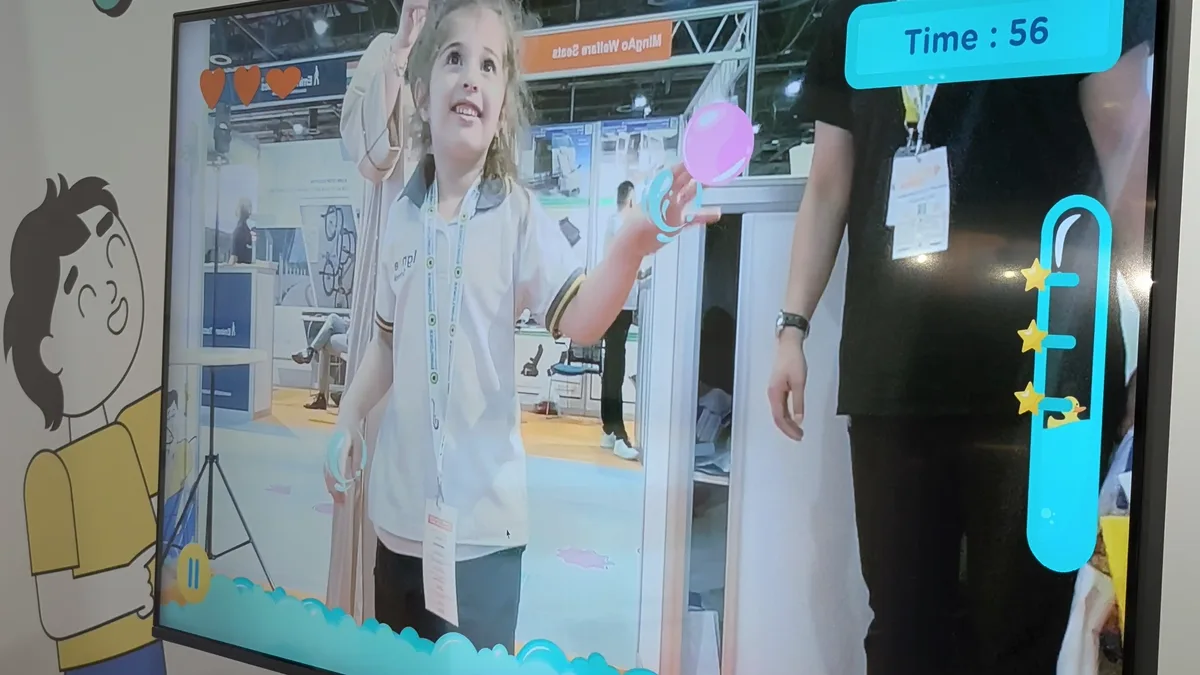 Games for Health Journal
Significant gains in range of motion and muscle strength
The companion trial from the same randomised study: children playing WonderTree’s AR games improved significantly across joints and muscles of the upper extremity.
Read the study → Asian J. of Eng. Sciences & Tech.
The research behind our first games
Co-authored by WonderTree’s co-founders: Kinect-based, game-simulated learning proved an engaging, practical and effective way for special-needs children to build academic and daily-life skills.
Read the study → EdTech Hub
Named a leading Pakistani EdTech for children with disabilities
EdTech Hub’s national review highlights WonderTree for affordable augmented-reality games that build cognitive and motor skills for children with special educational needs.
Read the study → Indus Valley School of Art & Architecture
WonderTree as a case study in socially responsive design
An academic analysis of our gamified approach: accessibility, business model and the realities of Pakistan’s digital divide.
Read the study →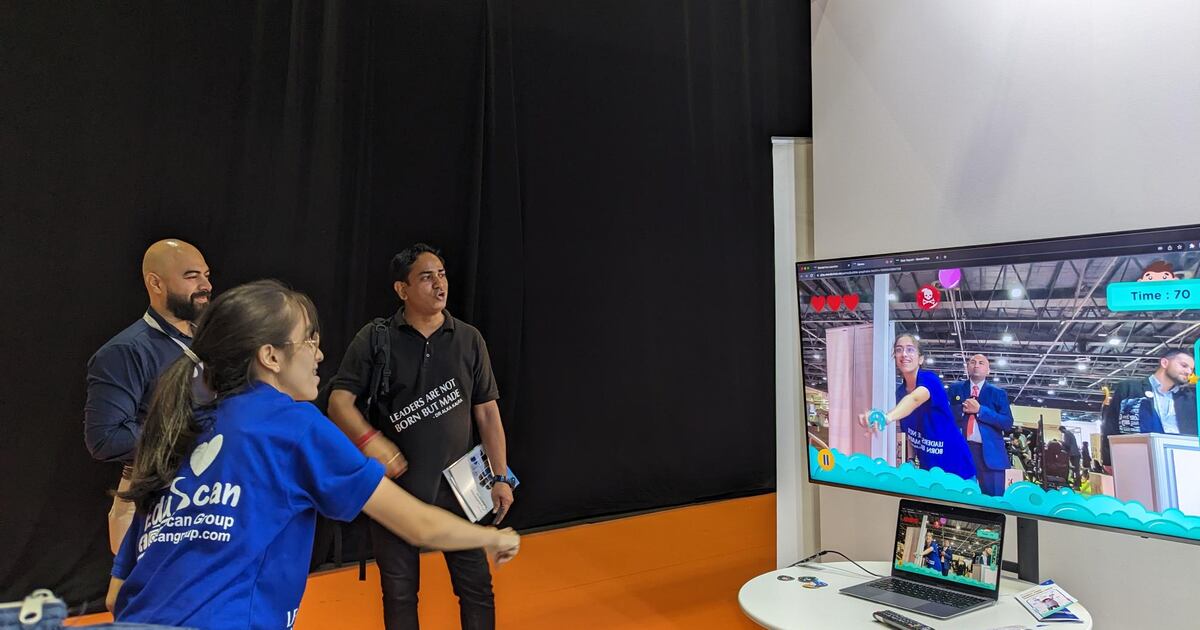

How WonderTree aims to be the ‘Google of special education’
Inside the start-up now working across Karachi, Abu Dhabi and the US, on a mission to make special education affordable, accessible and effective for every child.
Read the article →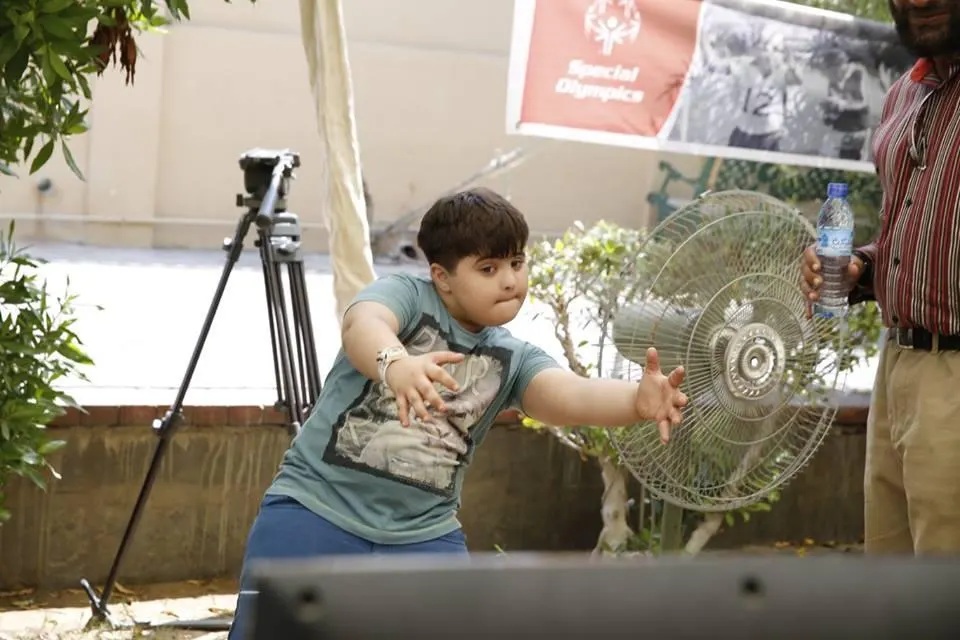

Meet Pakistan’s Wonder Boys Reimagining Special Education
How watching a brother play a console game became motion-based therapy games, and third prize at the GIST Tech-I final at Stanford.
Read the article →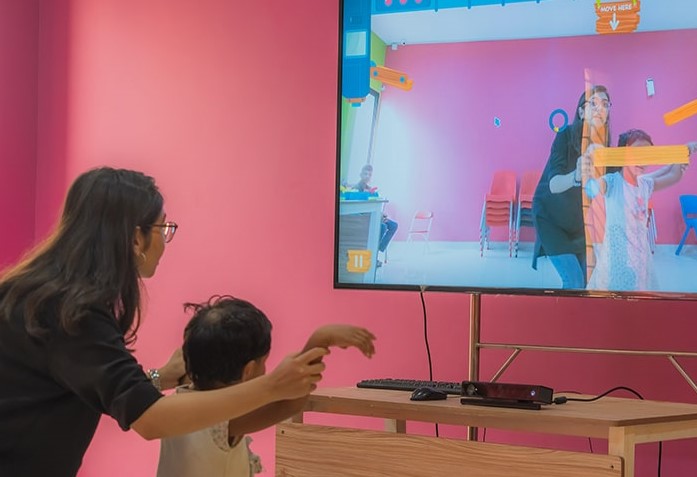

Gaming startup for special-needs children bags prestigious UNICEF grant
Selected by UNICEF’s Innovation Fund for the augmented-reality games WonderTree builds for the therapy and education of children with special needs.
Read the article →Start your journey now for free.
Premium
Unlimited
- No play timer, unlimited sessions
- Personalised progress reports
- Online assistance from medical professionals
- Cancel anytime
Institutions
Custom
- Multi-child dashboards for therapists
- Cohort-level outcome analytics & reporting
- Onboarding & clinical training included
- Licences transferable to parents for home-based play
Answers to what parents ask most.
Play is how children with autism practise real skills in a low-pressure setting. These free online games respond to your child’s movement through the camera, so every game gives clear, predictable feedback: the child acts, the game responds. That loop keeps them engaged while they rehearse focus, coordination, and social-emotional skills, the same skills a therapist works on, practised at home, at the child’s own pace.
Each sensory game targets something specific: recognising faces and naming feelings (social-emotional), holding attention and following instructions (cognitive), and strength, balance and hand-eye coordination (motor). Every session ends with a progress report showing which skills improved, so you always know the play is working.
The games are built for children aged 4 to 12. Every child develops at their own pace, so if you’re unsure whether it’s the right fit, reach out and we’ll help you decide.
Your child doesn’t need to understand spoken instructions. Games use simple pictures and movement, so children who are non-verbal or just getting started can join in right away, and it works well beyond mild autism, because pacing and cues adjust so a child can start with the simplest interaction and grow from there.
None at all, which matters for autistic children who dislike anything worn on the body. Just a computer with a camera. No sensors, no wearables, nothing extra to buy or set up.
You can start on your own, and many families do. If your child already works with a therapist, WonderTree’s reports make it easy to share progress with them. It is not a replacement for in-person therapy, though: think of it as extra practice between sessions, working alongside your therapist’s plan rather than instead of it.
Short and regular beats long and rare. Start with 10 to 15 minutes a session and build up as your child wants more. Playing together helps. Cheering a win or taking a turn keeps them engaged, and celebrating small wins matters more than long sessions. Every game is paced gently and you stay in control: pause anytime, and adjust how long they play to match their pace.
This isn’t passive screen time. Your child is up, moving, and physically engaged the whole session, closer to active play than to watching a show.
Your camera video is processed locally, on your own device. No video and no images ever leave your browser, so nothing is sent to the internet or to our servers and nothing is recorded. What does get sent is your child’s game performance and scores, and that is what we use to build their progress reports. Reach out to our team anytime for details specific to your region.
Yes. Sign up free, no credit card needed. Every game is unlocked, and free play is limited only by a play timer. Premium removes the timer and adds personalised progress reports whenever you’re ready. The plans below show exactly what each option includes.
Ready to get started?
Start free in your browser. No downloads, no credit card. Schools, clinics, and therapy centers can book a walkthrough with our team.